


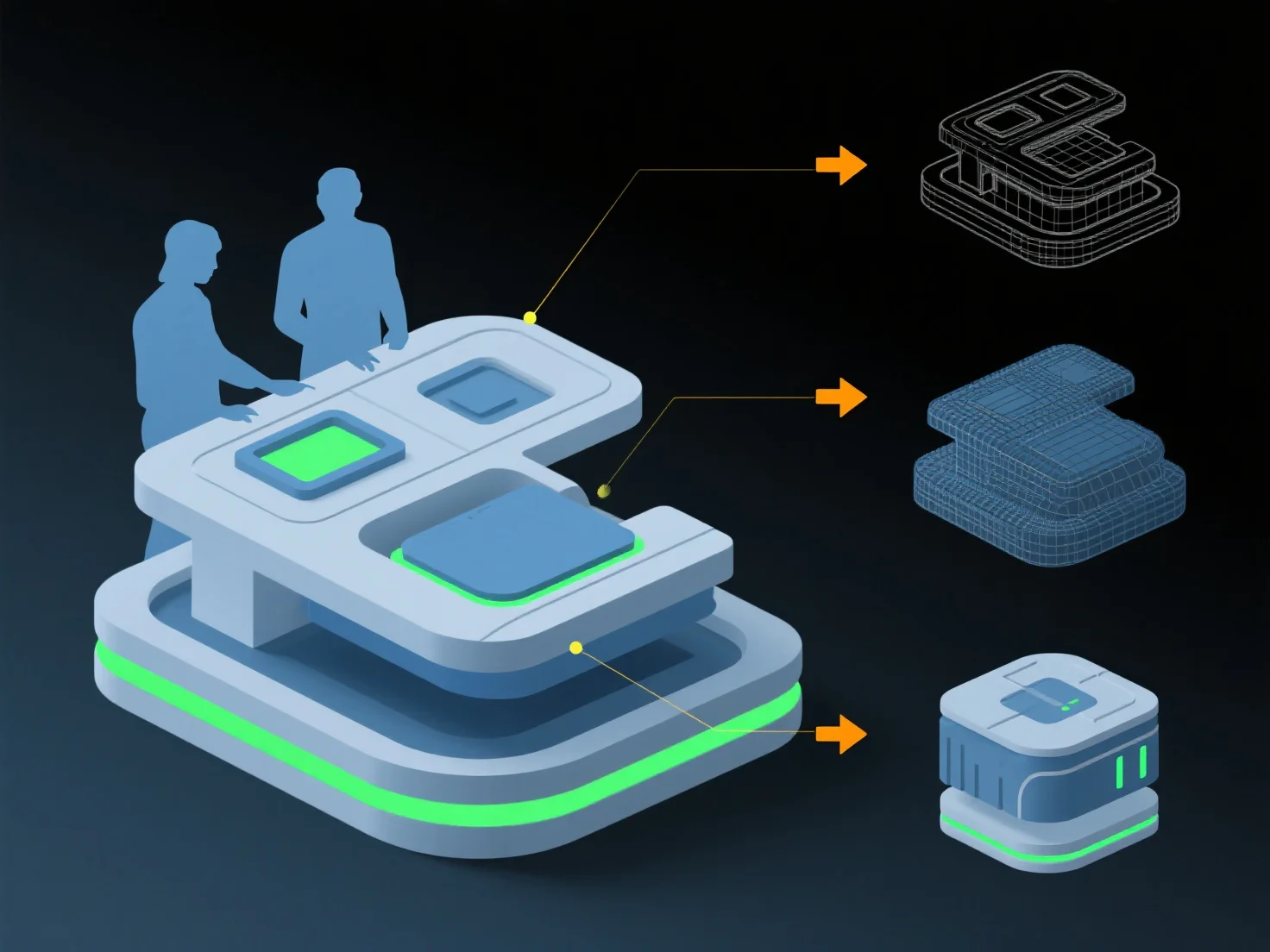
У процесі спільної роботи над 3D-дизайном зворотні зв'язки в основному служать для узгодження намірів команди, підвищення точності моделі та забезпечення ітеративного поліпшення шляхом сприяння постійному внесенню коригувань зацікавленими сторонами.
Вони функціонують завдяки ключовим аспектам: - **Вирівнювання намірів**: Забезпечення того, щоб дизайнери, інженери та клієнти поділяли єдине бачення, виявляючи розбіжності у геометрії, текстурах або функціональності на ранньому етапі. - **Підвищення точності**: Зворотний зв'язок у режимі реального часу або ітеративний зворотний зв'язок дозволяє виявляти помилки (наприклад, структурні недоліки, естетичні невідповідності) на ранньому етапі, зменшуючи витрати на виправлення. - **Прискорення ітерації**: Забезпечення можливості швидких коригувань на основі отриманих даних, що дозволяє скоротити цикли розробки для ефективного задоволення вимог.
Загалом, петлі зворотного зв'язку мають вирішальне значення для ефективності співпраці, мінімізації помилок і забезпечення того, щоб кінцева 3D-модель відповідала колективним цілям.