


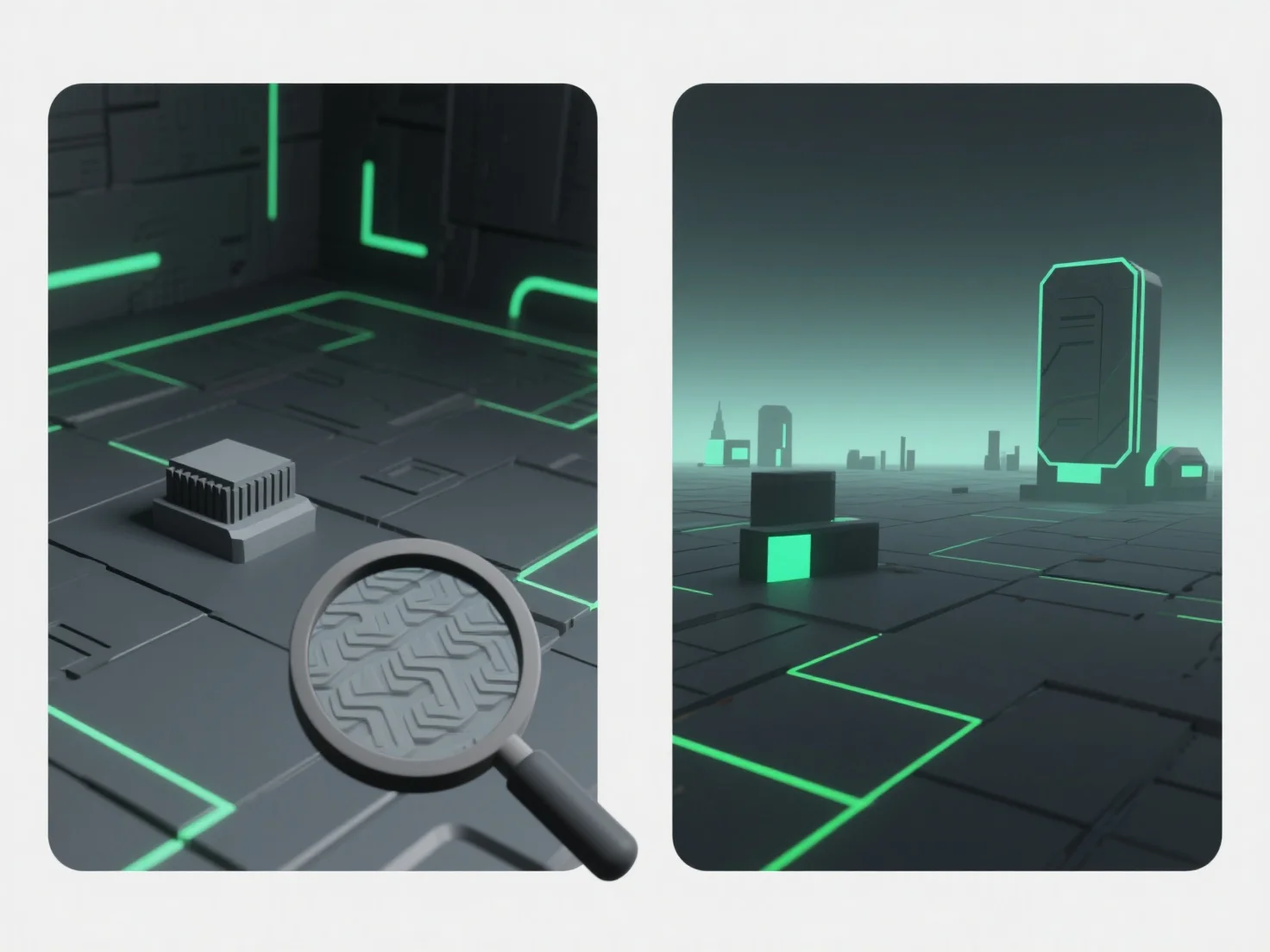
Найкращі практики оптимізації текстур у 3D-іграх зосереджені на балансі між візуальною якістю та продуктивністю за допомогою міп-маппінгу, масштабування роздільної здатності, стиснення, атласів текстур і ресурсозберігаючого дизайну.
- **Міпмапінг**: Генерує текстури нижчої роздільної здатності для віддалених об'єктів, зменшуючи ефект аліасингу та використання пам'яті. - **Масштабування роздільної здатності**: Підлаштовує роздільну здатність текстур під розмір екрану (наприклад, 2К для маленьких предметів замість 4К), щоб зменшити розмір файлу без помітної втрати якості. - **Компресія, зручна для GPU**: Використовуйте такі формати, як BC1/BC3, щоб зменшити навантаження на пам'ять, зберігаючи при цьому візуальну цілісність. - **Атласи текстур**: Об'єднуйте декілька текстур у один файл, щоб зменшити кількість викликів отрисовки та підвищити ефективність рендерингу. - **Непрозорі текстури**: Уникайте непотрібних альфа-каналів, оскільки вони збільшують навантаження на пам'ять і вимоги до обробки даних. - **Менша кількість бітів**: Для некритичних текстур використовуйте 24 біти замість 32, щоб зменшити розмір файлу без впливу на візуальні ефекти.