


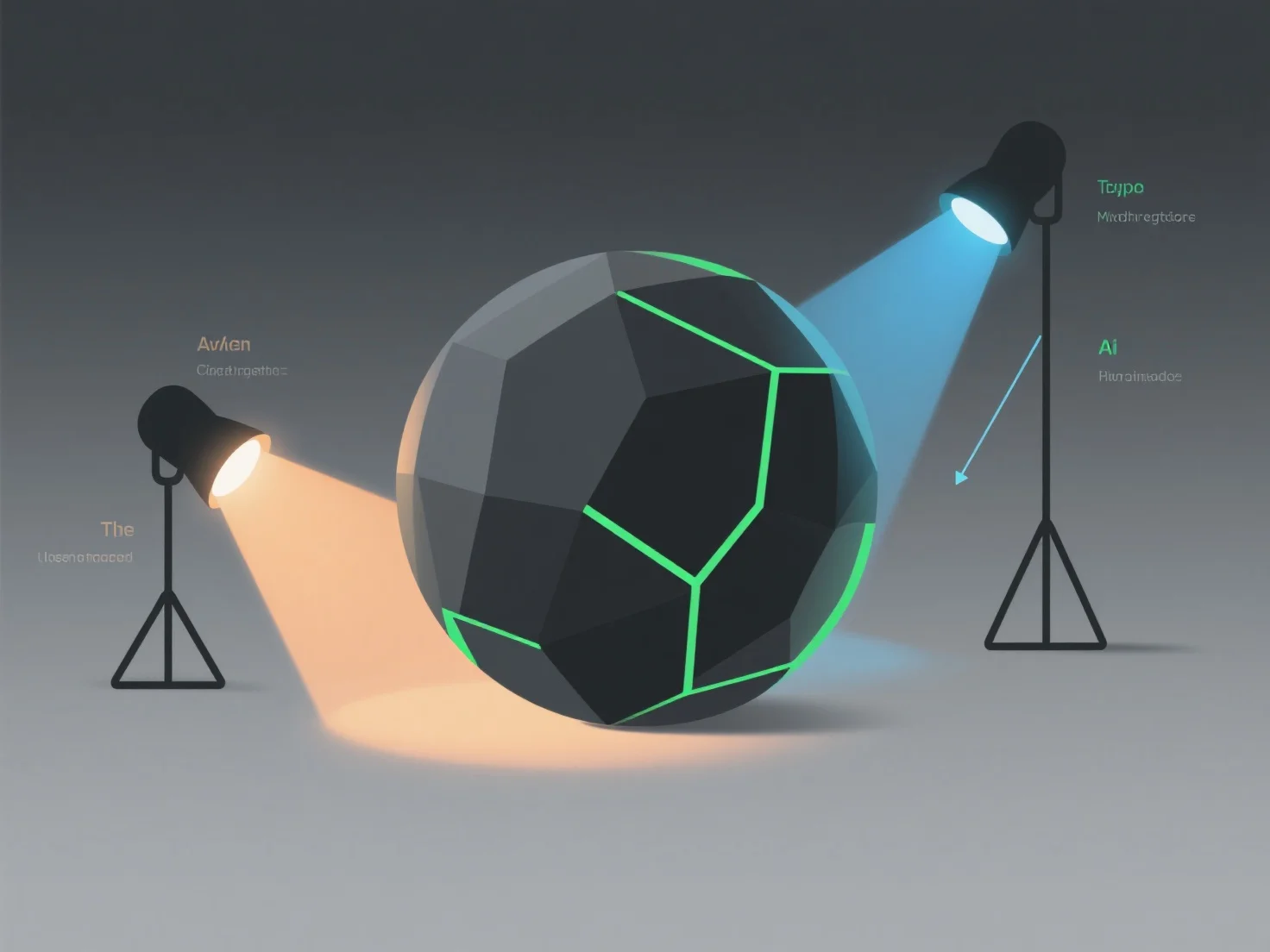
Найкращі практики освітлення у 3D-моделюванні включають балансування джерел світла, імітацію реальних умов та відповідність меті сцени для покращення деталей, передачі настрою та підтримки візуального наративу, незалежно від того, чи прагнемо ми до реалізму, чи до стилізації.
Ключові застосування відрізняються за типом сцени: - Архітектурна візуалізація: Використовуйте природне світло (сонце, скляний дах), щоб підкреслити просторовий масштаб і текстуру матеріалів. - Моделювання персонажів: Застосовуйте триточечне освітлення (ключове світло для фокусу, заповнювальне світло для згладжування тіней, зворотне світло для визначення країв). - Візуалізація продукту: Виберіть рівне, м'яке освітлення, щоб продемонструвати деталі поверхні та точність кольорів без різких контрастів.
Для новачків краще почати з триточечного налаштування, щоб створити збалансовану основу, перш ніж пристосовуватися до потреб конкретної сцени.