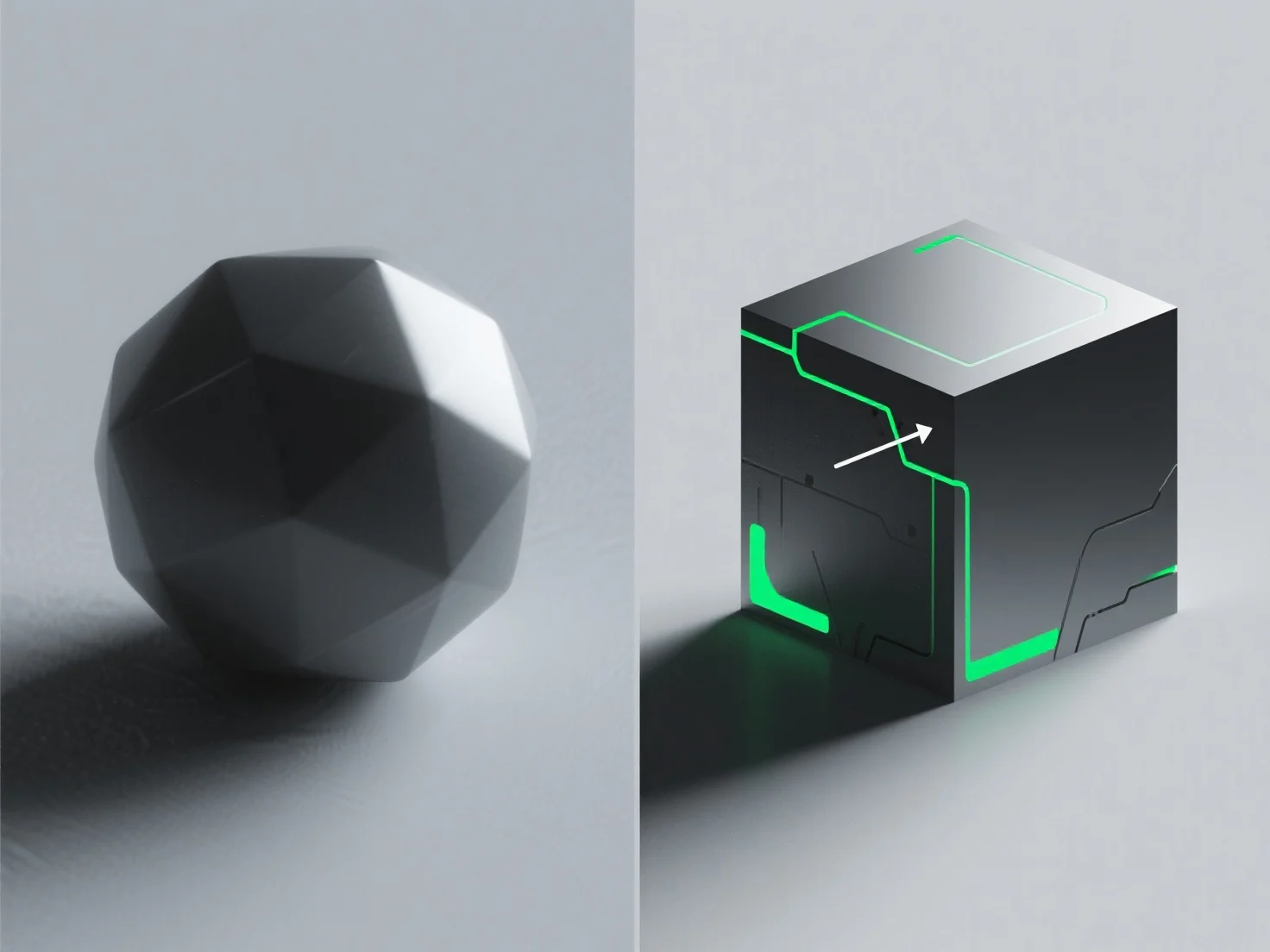
Стандартні шейдери зазвичай підвищують якість 3D-моделей, забезпечуючи узгоджені, збалансовані візуальні ефекти завдяки стандартизованим матеріалам і методам рендерингу. Вони спрощують створення матеріалів, визначаючи заздалегідь ключові атрибути, такі як реакція на освітлення і картографування текстур, зменшуючи помилки від користувальницьких шейдерів, які можуть погіршити якість. Ця стандартизація також забезпечує узгоджене рендерингу між движками або платформами, уникаючи непослідовних або низькоякісних результатів. Для більшості випадків використання (ігри, анімації, симуляції) вони забезпечують баланс між якістю і ефективністю, віддаючи пріоритет стабільності над надто спеціалізованими ефектами. Загалом, стандартні шейдери підтримують надійні, високоякісні 3D-моделі, спрощуючи робочі процеси і підтримуючи візуальну узгодженість.


Як використання стандартних шейдерів впливає на якість 3D-моделі?
Стандартні шейдери підвищують якість 3D-моделей завдяки узгодженим візуальним ефектам, спрощеній розробці та надійності на різних платформах.