


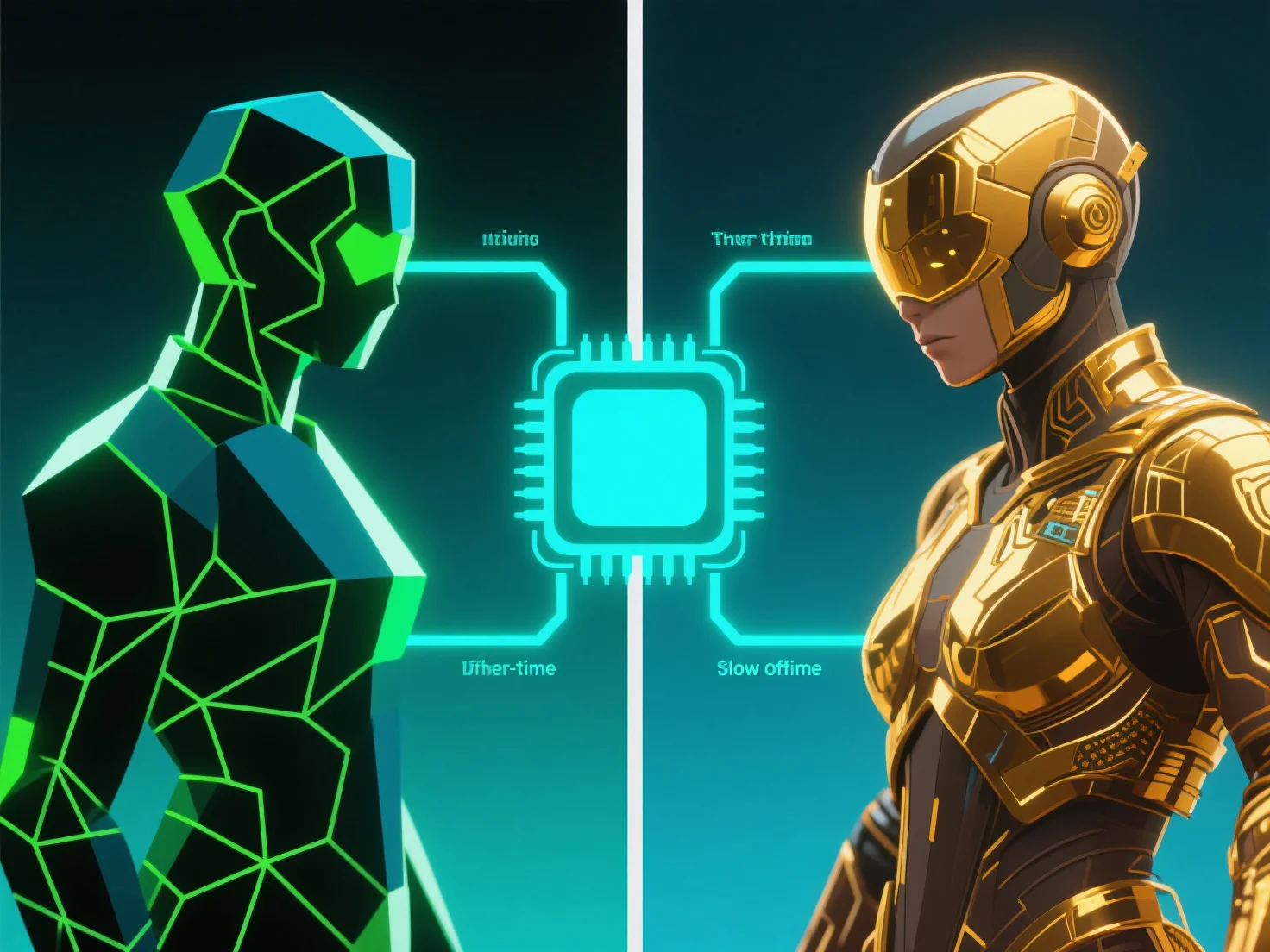
При використанні у режимі реального часу, тіньові ефекти віддають пріоритет продуктивності та простоті, щоб відповідати вимогам частоти кадрів, тоді як при офлайн-рендерингу вони фокусуються на високій складності та візуальній точності з меншими часовими обмеженнями.
Шейдери в реальному часі часто використовують спрощені алгоритми.
Для проектів у режимі реального часу оптимізуйте код тіньових ефектів для підвищення ефективності GPU; для офлайн-роботи використовуйте складні тіньові ефекти для покращення візуальної реалістичності без обмежень у часі.