


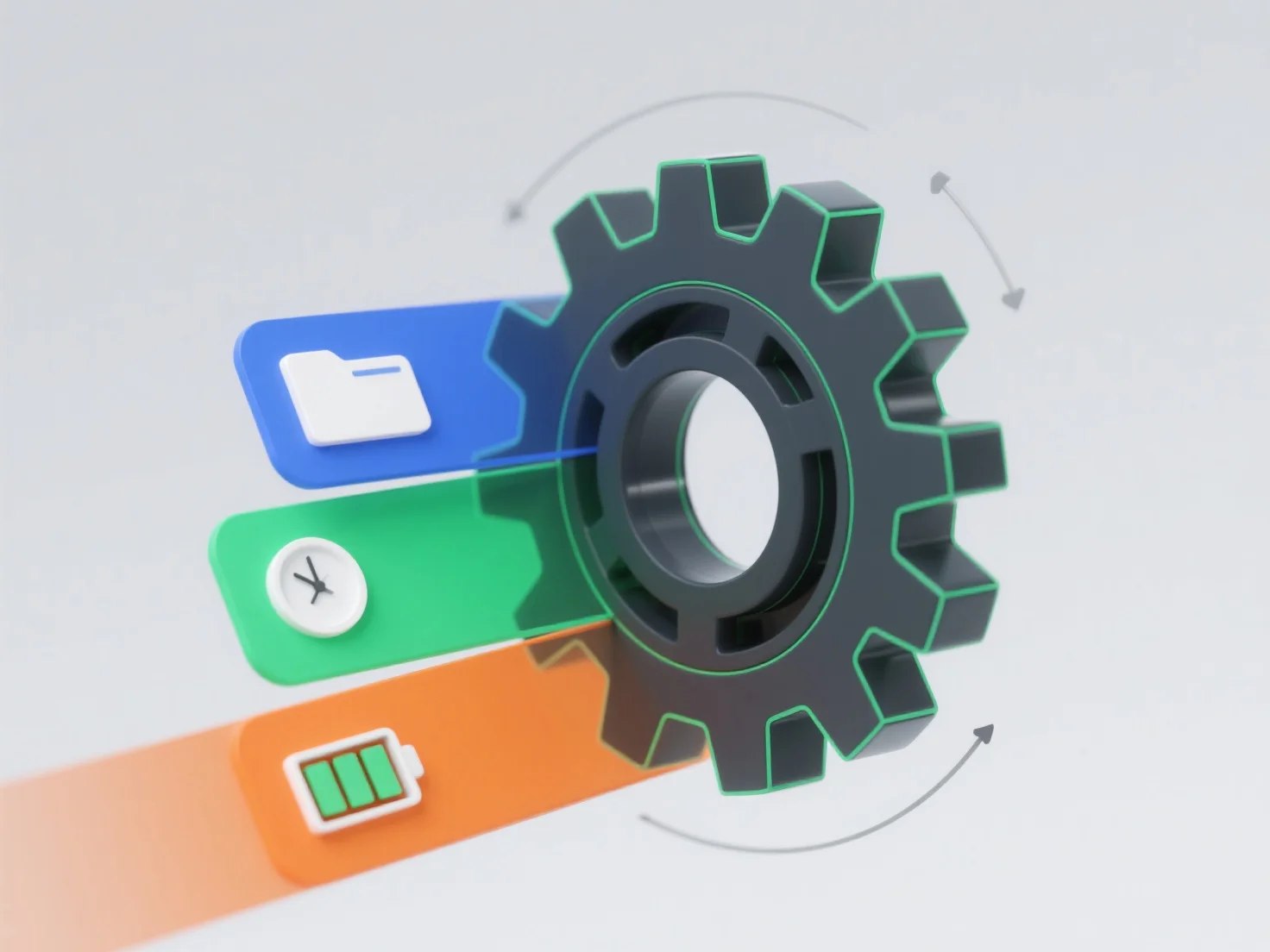
Вибір формату 3D-файлу безпосередньо впливає на ефективність робочого процесу, впливаючи на сумісність даних, швидкість обробки та гнучкість редагування між інструментами.
- **Сумісність даних**: Несумісні формати часто вимагають трудомістких перетворень, що затримує прогрес проекту. - **Швидкість обробки**: Легкі формати, такі як STL/OBJ, прискорюють зберігання/передачу, але не містять складних даних (текстури, анімації), тоді як більш багаті формати (FBX/USD) зберігають деталі, але можуть сповільнювати завантаження. - **Гнучкість редагування**: Густі або пропрієтарні формати можуть обмежувати можливості редагування в реальному часі, знижуючи продуктивність при моделюванні, рендерингу або 3D-друку.
Загалом, узгодження формату з пріоритетами робочого процесу, швидкістю, насиченістю даних або сумісністю інструментів мінімізує перебої та підвищує ефективність.