


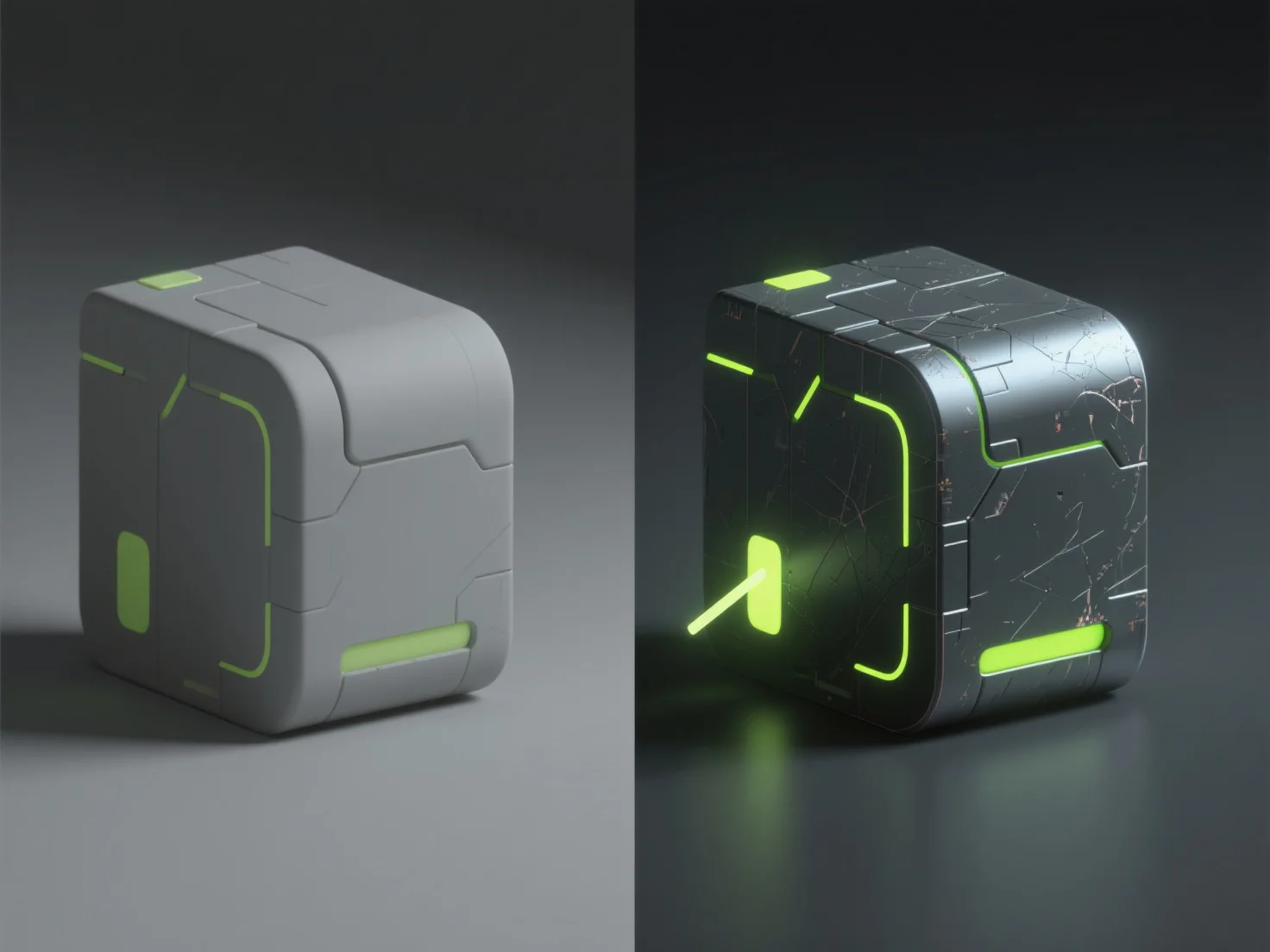
Вибір рушія рендерингу безпосередньо впливає на стандарти якості 3D, формуючи візуальну точність, продуктивність і функціональні можливості.
Рендерні движки відрізняються у обробці освітлення, текстур та геометрії, встановлюючи базові очікування щодо якості. Деякі віддають пріоритет фотореалізму, інші — швидкості в режимі реального часу.
Ключові галузеві додатки та їх стандарти: - Ігри: Движки в режимі реального часу (наприклад, Unity, Unreal) зосереджені на частоті кадрів та інтерактивності, встановлюючи стандарти для плавного руху та оптимізованих деталей активів для відповідності цільовому обладнанню. - Фільми/анімація: Офлайн-рендерери (наприклад, Arnold, Redshift) підкреслюють передове освітлення та текстури високої роздільної здатності, підвищуючи стандарти для реалістичних візуальних ефектів у передрендереному контенті. - Архітектура: Спеціалізовані движки.
Щоб відповідати певним стандартам якості 3D, необхідно узгодити сильні сторони движка, такі як швидкість у реальному часі або кінематографічна деталізація, з цілями проекту для досягнення оптимальних результатів.