


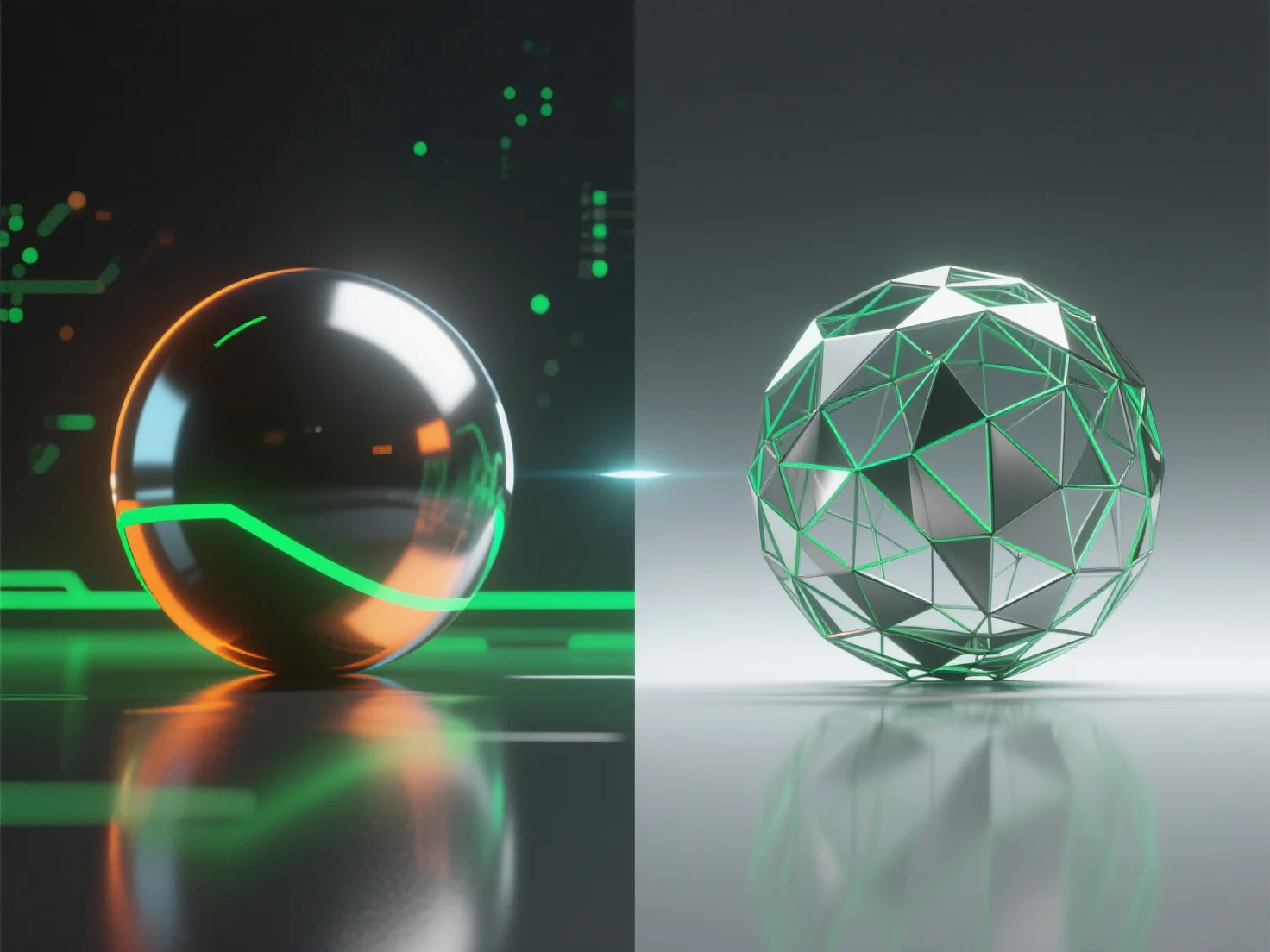
При порівнянні Redshift і Octane Render для 3D-рендерингу на базі графічних процесорів, Redshift виділяється своєю швидкістю та ефективністю у великомасштабних проектах, тоді як Octane краще підходить для рендерингу в режимі реального часу та зручного робочого процесу.
Redshift використовує упереджений метод рендерингу, віддаючи пріоритет швидкому виводу за рахунок балансування точності та продуктивності. Це робить його ідеальним для високотехнологічних VFX-проектів і анімаційних процесів, де короткі терміни або складні сцени з великою кількістю геометрії вимагають швидкої обробки.
Натомість Octane використовує неупереджене рендерингування, забезпечуючи фізично точні результати з можливістю перегляду в режимі реального часу. Це підходить для інтерактивного дизайну, візуалізації продуктів і сценаріїв, що вимагають негайної відповіді про матеріали або освітлення.
Виберіть Redshift для великих проектів, що вимагають швидкості; зупиніть свій вибір на Octane, якщо ключовими пріоритетами є ітерація в режимі реального часу та точне рендериння матеріалів.