


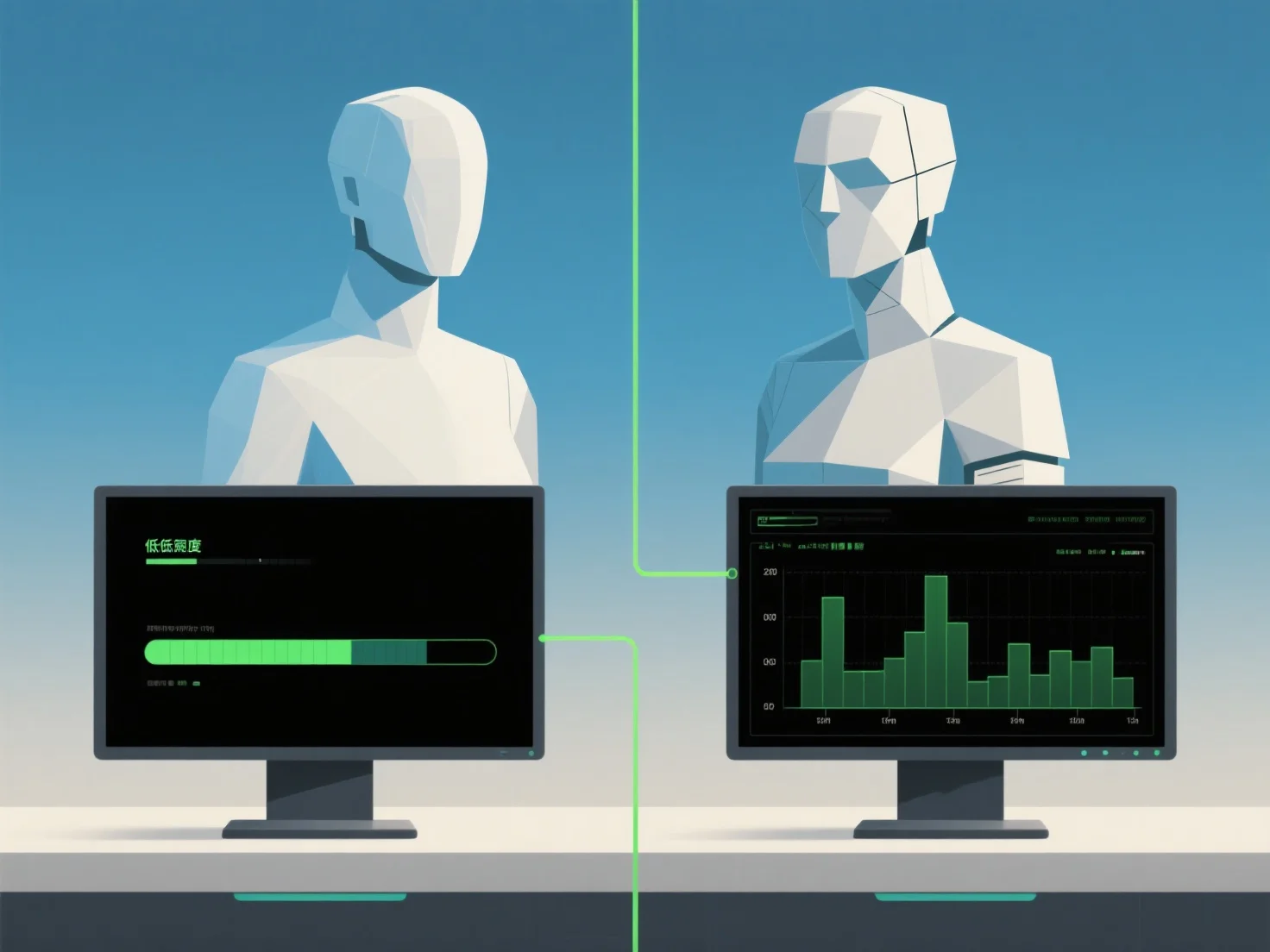
Кількість полігонів безпосередньо впливає на продуктивність 3D-моделі; більша кількість полігонів зазвичай знижує продуктивність, вимагаючи більше обчислювальних ресурсів для рендерингу та обробки.
Більше полігонів збільшує навантаження на графічний процесор, оскільки графічна карта повинна обробляти додаткові вершини та краї. Це часто призводить до зниження швидкості рендерингу, збільшення часу завантаження або зниження частоти кадрів, особливо в додатках у реальному часі, таких як ігри або AR/VR.
Ключові сценарії, в яких кількість полігонів впливає на продуктивність, включають: - Тривимірні додатки в реальному часі (ігри, інтерактивні симуляції): Висока кількість полігонів може спричинити затримки або втрату кадрів через більш ресурсомісткі завдання для графічного процесора. - Мобільні пристрої/пристрої з низькою продуктивністю: Обмежені апаратні можливості не справляються з високою кількістю полігонів, що призводить до повільного рендерингу.
Щоб вирішити проблеми з продуктивністю, використовуйте інструменти для зменшення кількості полігонів, щоб спростити геометрію, зберігаючи при цьому основні деталі, таким чином балансуючи візуальну якість і плавну роботу.