


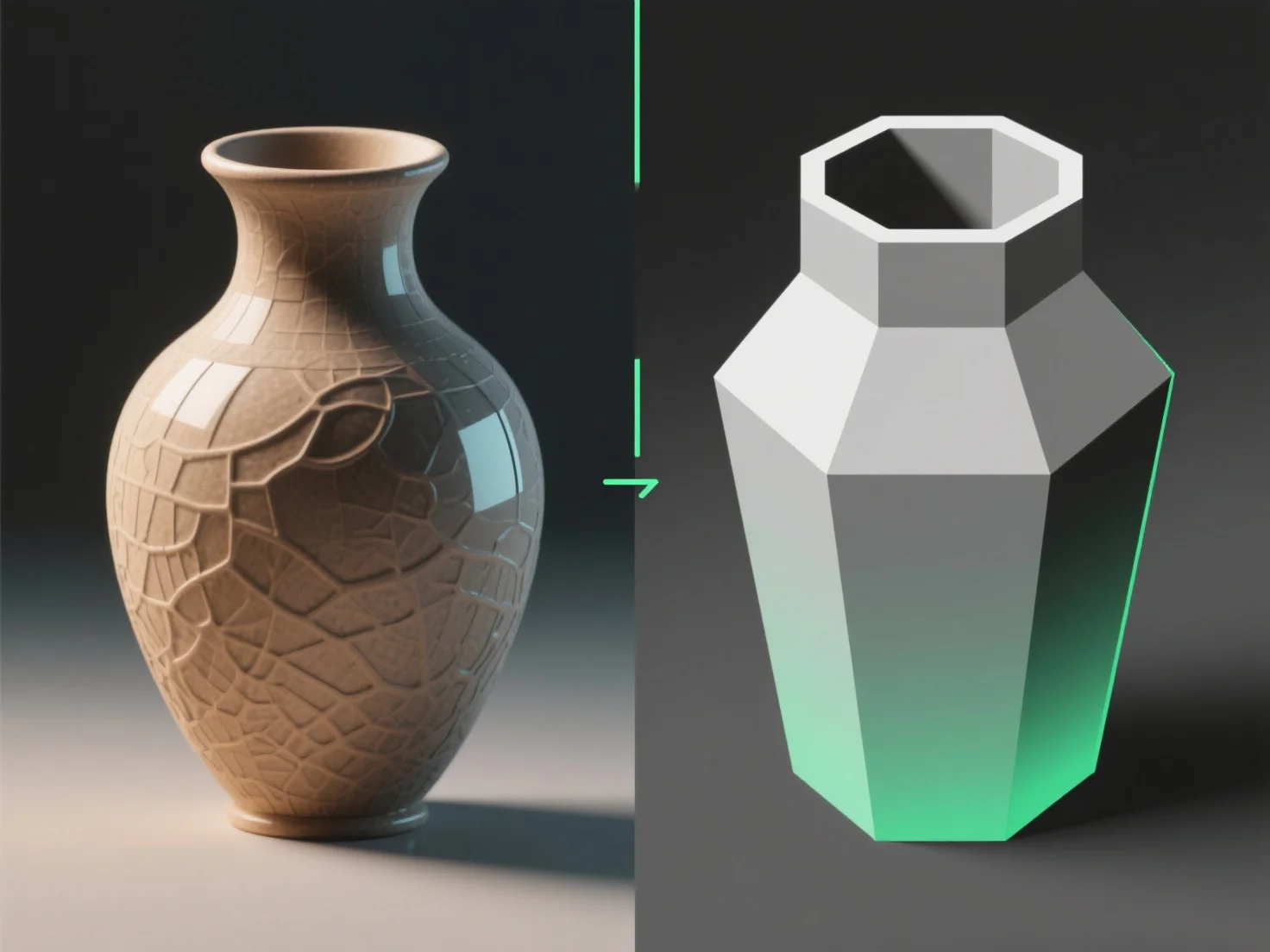
Фотореалістична 3D-презентація надає пріоритет реалістичній точності, імітуючи текстури, освітлення та деталі реального світу, в той час як стилізовані 3D-візуалізації фокусуються на художньому вираженні за допомогою спрощених форм, яскравих кольорів або унікальної естетики.
- **Мета**: Фотореалізм підходить для сценаріїв, що вимагають автентичності (наприклад, демонстрації продуктів, архітектурні прев'ю). Стилізовані візуальні ефекти чудово підходять для оповідання історій, брендингу або залучення аудиторії за допомогою креативності (наприклад, анімації, ігри). - **Візуальні елементи**: Фотореалізм підкреслює високу деталізацію текстур, реалістичне освітлення/тіні та точні пропорції. Стилізовані елементи використовують перебільшені риси, плоскі кольори або абстрактні форми для передачі настрою або ідентичності бренду. - **Варіанти використання**: Фотореалізм ідеально підходить для технічного/продажного контенту, де реалізм викликає довіру. Стилізовані елементи краще працюють для розваг, маркетингових кампаній або брендів, що прагнуть до унікальності.
Обидва мають свої переваги. Фотореалізм забезпечує автентичність, а стилізація — креативність. Вибір залежить від цілей, аудиторії та повідомлення.