


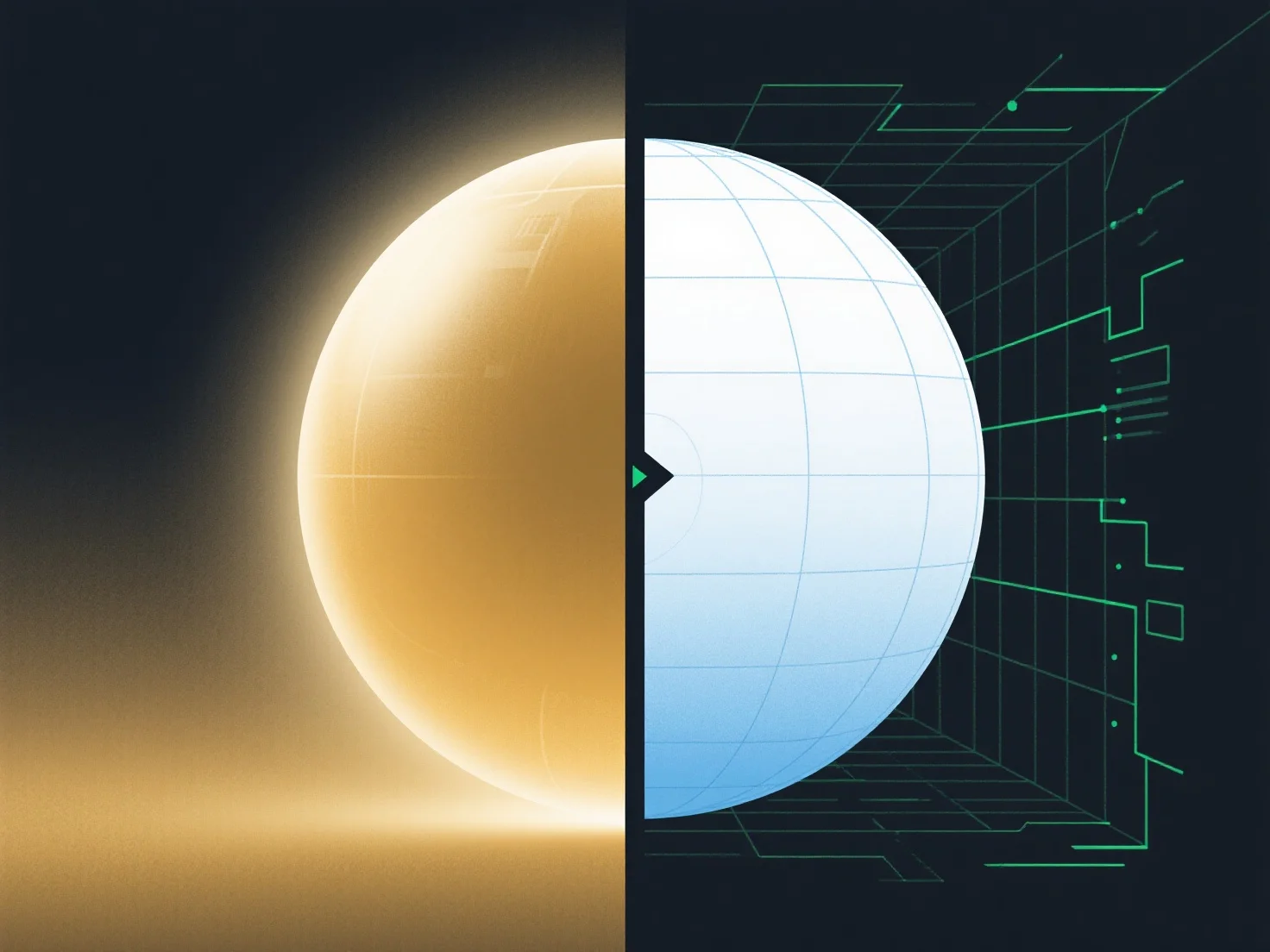
Перцептивний реалізм у 3D зосереджений на створенні ілюзії реальності, як її сприймають люди, тоді як фізична точність відноситься до суворого дотримання фізичних законів і вимірювань у реальному світі.
Перцептивний реалізм використовує візуальні сигнали, такі як освітлення, текстура та композиція, щоб змусити модель "виглядати реальною" для ока, часто спрощуючи такі деталі, як точна фізика або розміри. Фізична точність, натомість, гарантує, що модель точно відповідає реальним властивостям, таким як розмір, маса або поведінка матеріалу, що є критично важливим для функціональних або наукових застосувань.
На практиці пріоритети визначаються відповідно до цілей: розваги або візуалізація можуть спиратися на перцептивний реалізм, тоді як інженерні симуляції або дизайн продукту зазвичай вимагають фізичної точності.