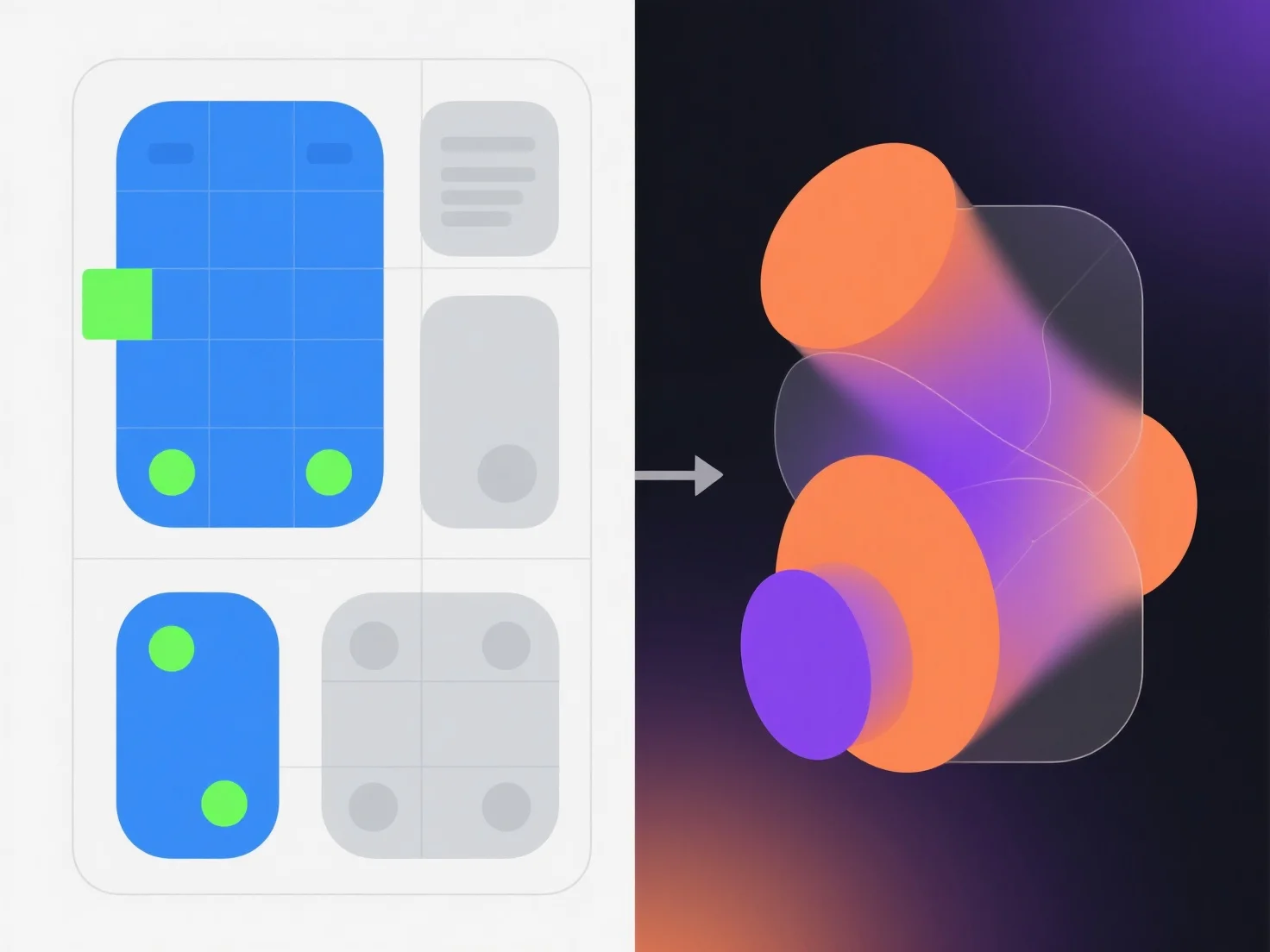
Іммерсивні 3D-досвіди відрізняються від стандартних потоків користувацького досвіду за рівнем занурення, стилем взаємодії та ідеальними випадками використання. Стандартні потоки користувацького досвіду зазвичай лінійні, двовимірні та прив'язані до екрану, з фокусом на послідовні кроки для ефективного виконання завдань, таких як переход по меню або подання форми. Натомість іммерсивні 3D-технології використовують глибину, перспективу та присутність користувача для створення інтерактивів, схожих на середовище, що дозволяє користувачам відчувати себе "присутніми" у певному просторі. Для швидких, знайомих завдань


Як іммерсивний 3D-досвід порівнюється зі стандартними потоками користувацького досвіду?
Іммерсивна 3D-технологія фокусується на сенсорному зануренні в процес, в той час як стандартні UX-процеси надають пріоритет ефективному та лінійному виконанню завдань.