


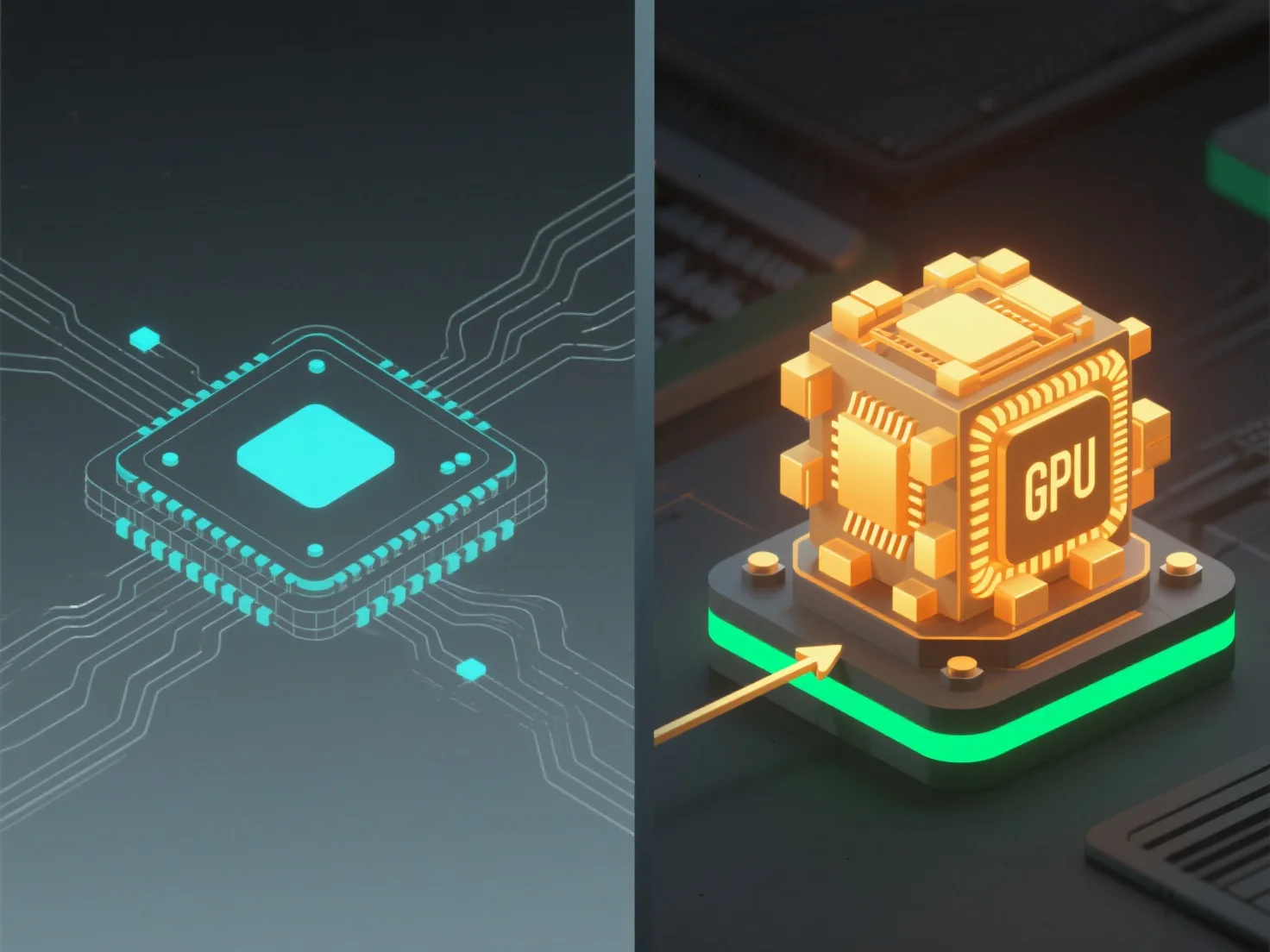
GPU-прискорення значно підвищує продуктивність 3D-рендерингу, використовуючи паралельну обробку для більш ефективного виконання завдань рендерингу, ніж робочі процеси тільки на ЦПУ.
Графічні процесори мають тисячі паралельних ядер, оптимізованих для одночасних обчислень, на відміну від процесорів з меншою кількістю високопродуктивних ядер. Ця архітектура чудово підходить для виконання спеціалізованих завдань, таких як затінювання пікселів, текстурне картографування та розрахунки освітлення, які вимагають обробки декількох точок даних одночасно.
Завдяки перекладанню цих завдань, прискорення GPU скорочує час рендеринга для складних сцен, таких як ті з великою кількістю полігонів, детальними текстурами або розширеними ефектами, наприклад трасування променів. Це скорочує цикли проекту та підвищує ефективність робочого процесу.
У підсумку, прискорення графічного процесора підвищує швидкість, краще обробляє контент з високою деталізацією і оптимізує робочі процеси 3D-рендерингу, що робить його незамінним для професіоналів в сфері анімації, ігор і візуалізації.