


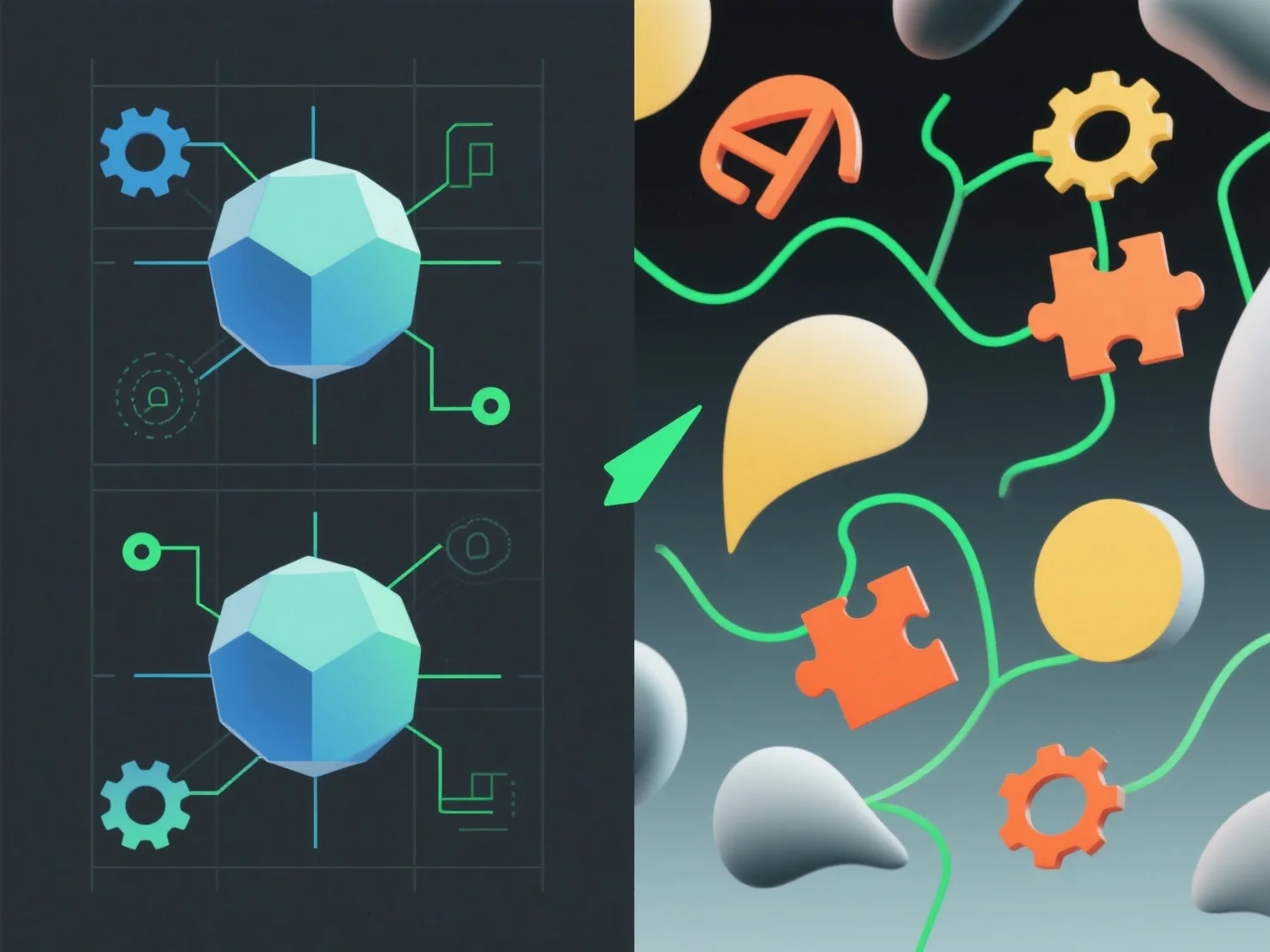
3D-візуалізація відрізняється між стандартизованими та індивідуальними робочими процесами в основному за структурою процесу, вибором інструментів та адаптивністю результатів. Стандартизовані робочі процеси виконуються за фіксованими, шаблонними кроками з використанням узгоджених інструментів, тоді як індивідуальні робочі процеси використовують гнучкі, спеціалізовані процеси та інструменти для задоволення унікальних потреб.
Жорсткість процесу: стандартизовані робочі процеси відповідають заздалегідь визначеним, повторюваним крокам.
Використання інструментів: Стандартизовані робочі процеси залежать від загальнодоступного програмного забезпечення.
Адаптивність виводу: Стандартизовані виходи є послідовними, але менш гнучкими, підходять для рутинних проектів. Налаштовані робочі процеси надають пріоритет адаптивності, обробляючи унікальні вимоги, такі як спеціальні текстури або складні 3D-моделі.
Загалом, стандартизовані робочі процеси відрізняються високою ефективністю при виконанні звичайних завдань, тоді як індивідуальні робочі процеси ідеально підходять для проектів, які вимагають індивідуальних, унікальних рішень.