


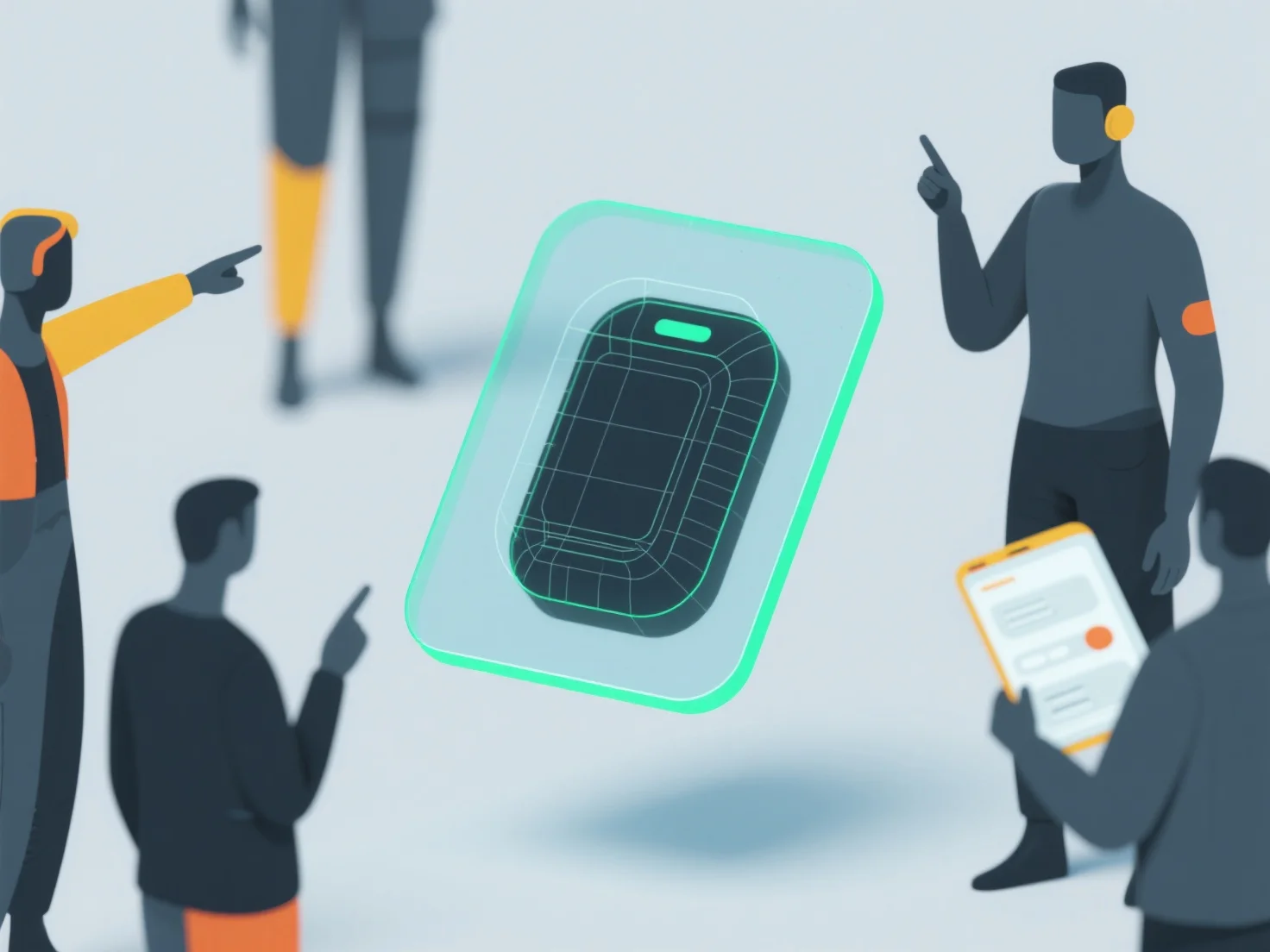
3D-моделювання підтримує принципи орієнтованого на користувача дизайну, забезпечуючи наочну візуалізацію потреб користувачів, ітеративне вдосконалення на основі зворотного зв'язку та раннє тестування користувачами, гарантуючи, що продукти відповідають вимогам зручності використання та очікуванням користувачів.
- **Чітке візуальне уявлення**: Воно перетворює абстрактні вимоги користувачів на конкретні 3D-моделі, роблячи форми, функції та взаємодії продукту інтуїтивно зрозумілими як для дизайнерів, так і для користувачів.
- **Ітеративне удосконалення**: Дизайнери можуть швидко коригувати 3D-моделі на основі відгуків користувачів, що дозволяє постійно оптимізувати зручність використання без значного перероблення, зосереджуючись на потребах користувачів.
- **Раннє тестування користувачами**: 3D-прототипи дозволяють проводити ранні випробування серед користувачів, що допомагає виявити проблемні моменти.
У підсумку, 3D-моделювання поєднує потреби користувачів і виконання дизайну, підвищуючи ефективність і результативність реалізації дизайну, орієнтованого на користувача.