


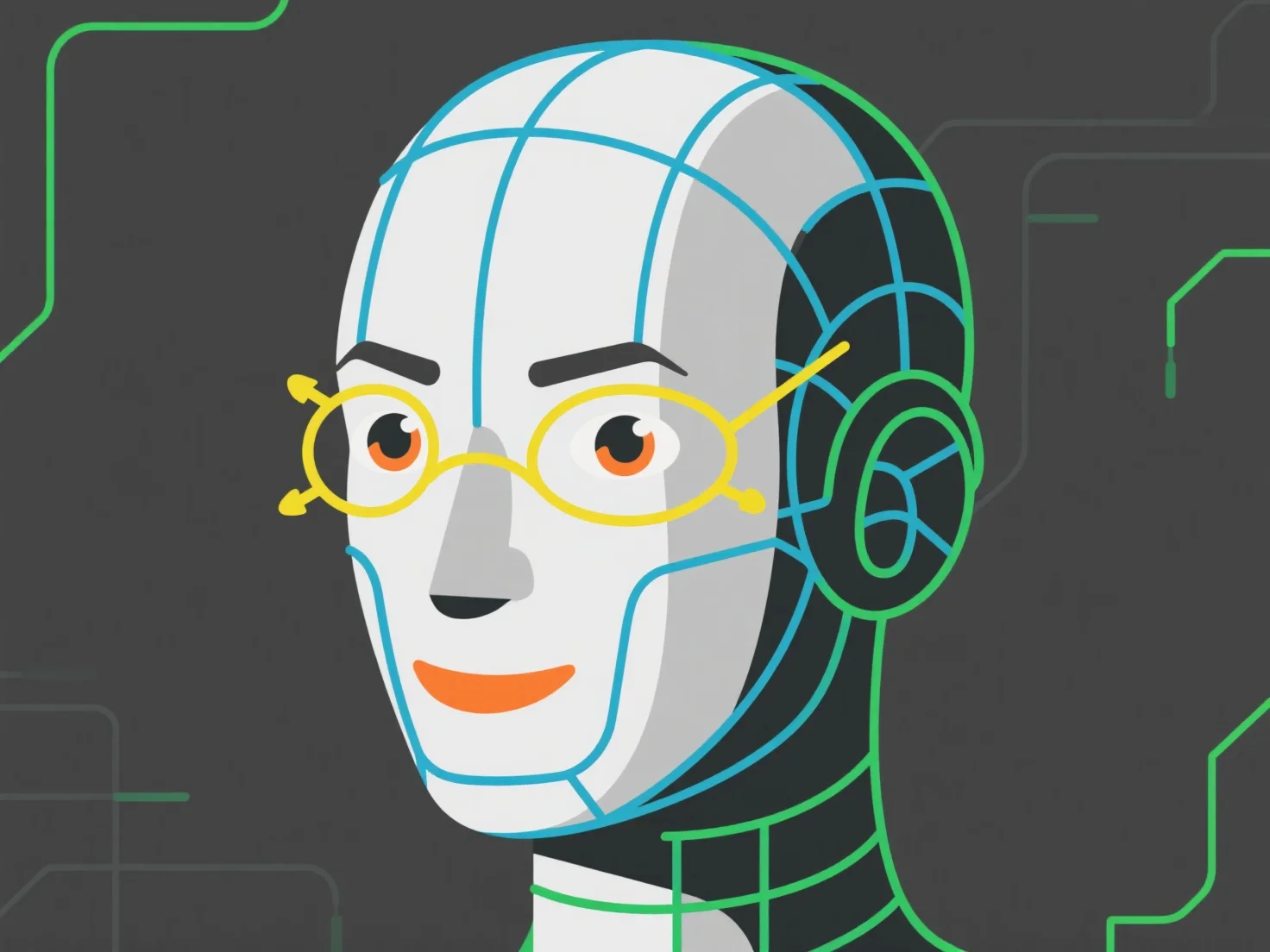
Опрацювання топології для анімації обличчя при моделюванні персонажів фокусується на структуруванні петель країв, які відповідають природному руху лицьових м'язів та ключових зонам деформації (очі, рот, брови), забезпечуючи плавну деформацію сітки під час міміки.
Приділіть пріоритет щільності полігонів: використовуйте вищу щільність у регіонах з високою мобільністю.
Зосередьтесь на ключових зонах деформації: орбітальний край (підтримує моргання очей), носогубні складки (допомагають посміхатися) та лінія нижньої щелепи (дозволяє відкривати та закривати рот).
Використовуйте схеми анатомії лицьових м'язів, щоб узгодити потоки країв з основною мускулатурою, роблячи риггінг та анімацію більш інтуїтивними і запобігаючи неприродним розтягуванням або здавлюванням. Цей підхід забезпечує реалістичну синхронізацію губ, рухів очей і виразів, а також оптимізує продуктивність.