


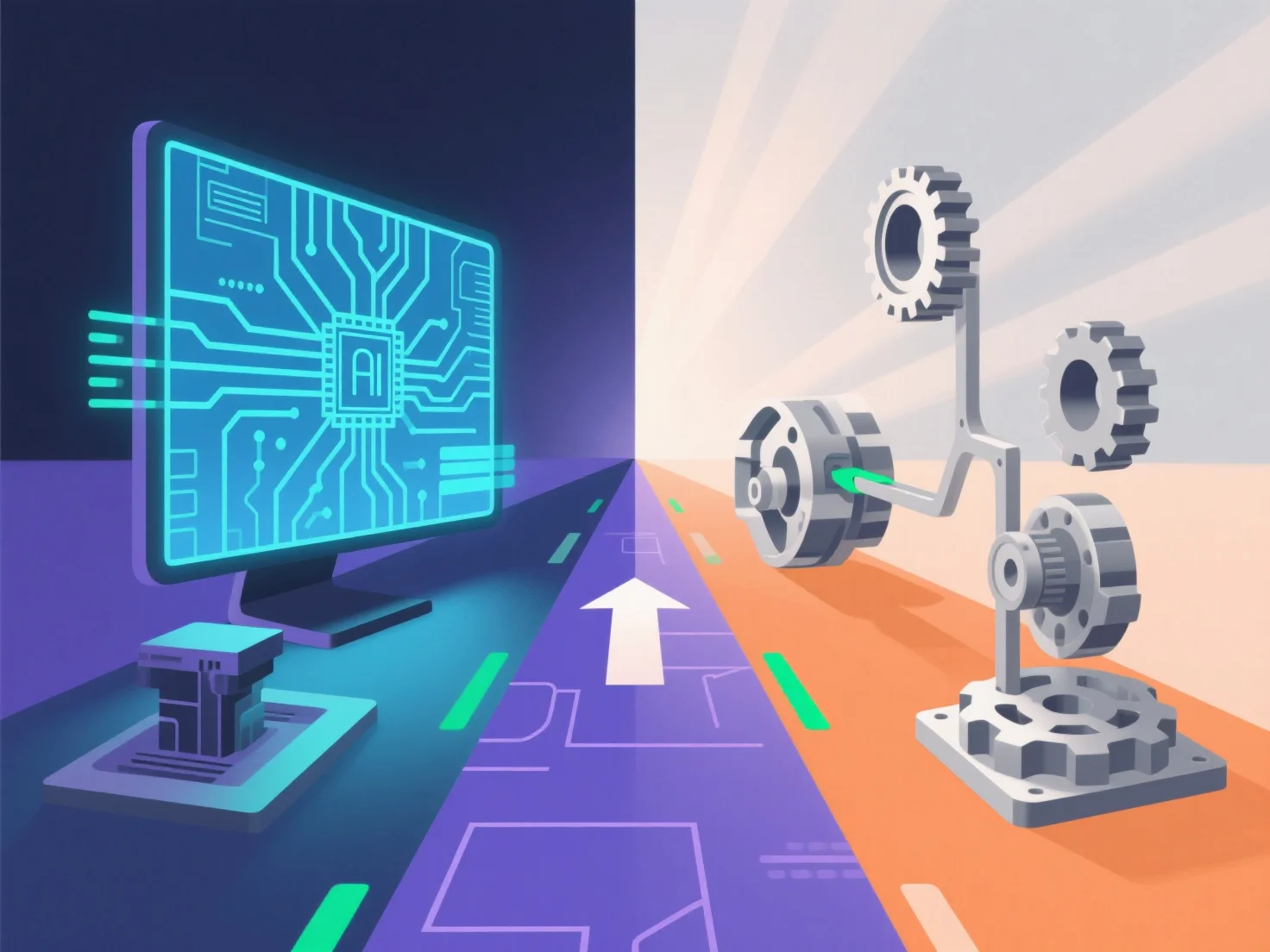
Щоб забезпечити ефективність рішення як для цифрового, так і для фізичного прототипування продукту, воно інтегрує крос-сумісні інструменти 3D-моделювання та ітеративні процеси перевірки, забезпечуючи безперешкодний зв'язок між цифровим проектуванням і фізичним виробництвом.
- **Крос-сумісне 3D-моделювання**: Використовуйте універсальні формати файлів (наприклад, STL, STEP), щоб забезпечити сумісність цифрових моделей з 3D-принтерами, верстатами з ЧПУ або іншими інструментами фізичного прототипування, уникаючи помилок при перекладі форматів. - **Ітеративна перевірка**: Почніть з цифрового моделювання.
Цей подвійний акцент на сумісність і валідацію гарантує, що шлях вирішення надійно підтримує як потреби цифрового, так і фізичного прототипування.