


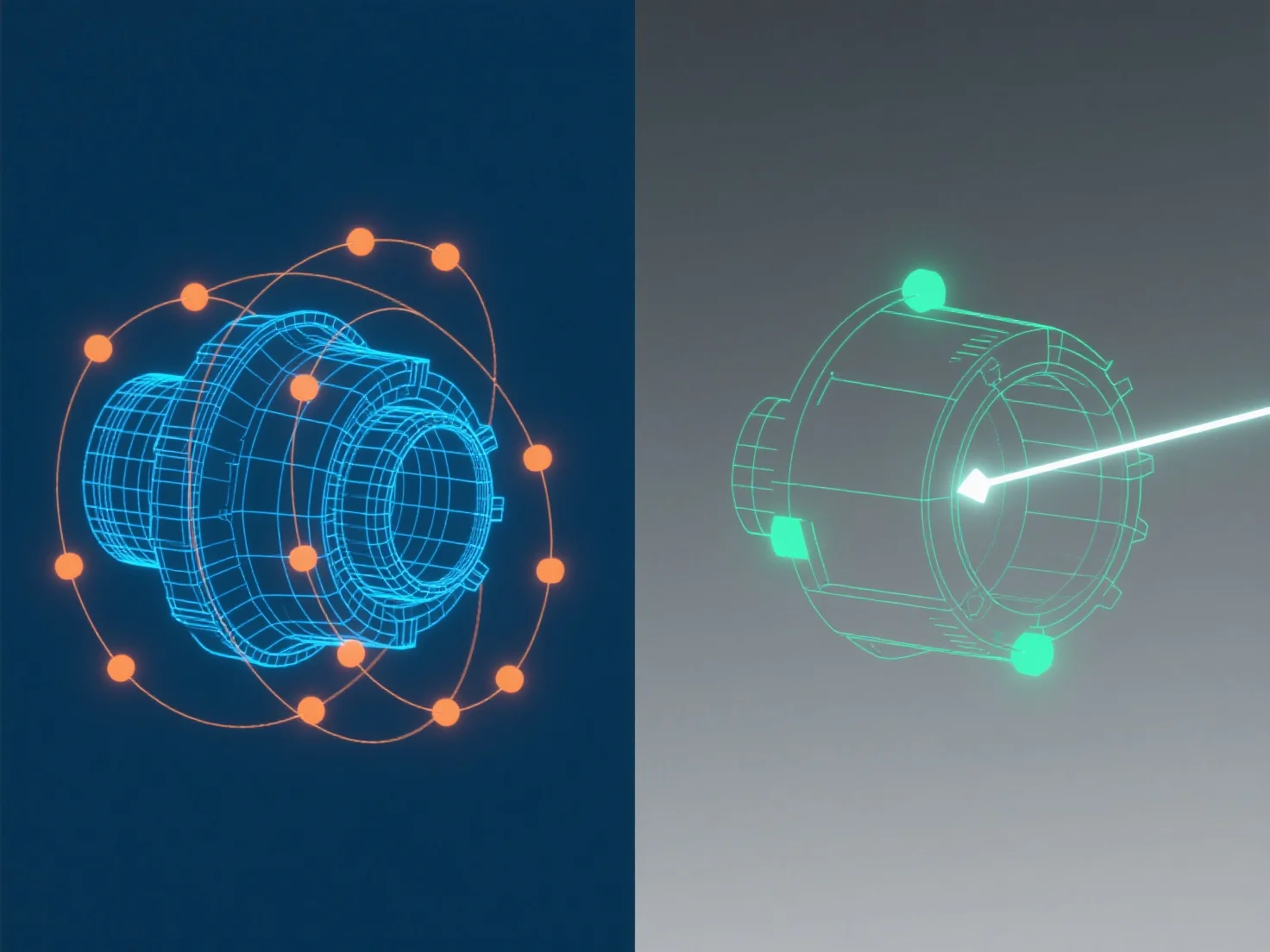
Інструменти фізичного моделювання взаємодіють з інструментами 3D-моделювання, імпортуючи або пов'язуючи дані 3D-моделі для застосування реалістичної фізичної поведінки, такої як рух, зіткнення або деформація.
Інструменти 3D-моделювання спочатку створюють геометричну структуру об'єкта.
Звичайні випадки використання включають розробку ігор.
Щоб забезпечити точність, 3D-моделі мають мати чисту геометрію (неперекриваючіся сітки), щоб фізичні інструменти могли ефективно їх обробляти.