


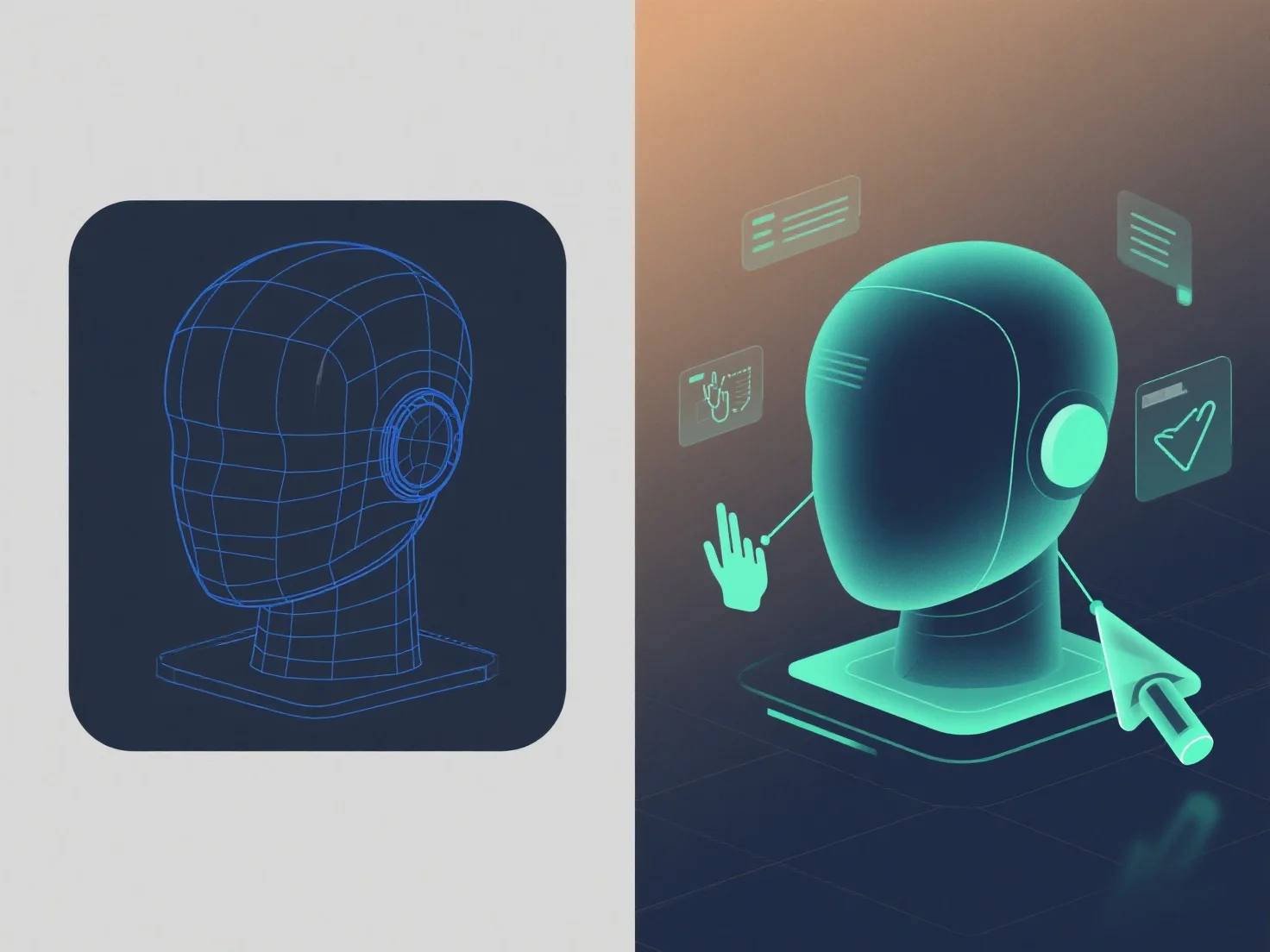
У навчальних сценаріях інтерактивні 3D-моделі зазвичай перевершують статичні, пропонуючи більш захопливі практичні заняття, які сприяють кращому розумінню та запам'ятовуванню.
На відміну від статичних моделей, які представляють фіксовані, одновимірні перспективи, інтерактивні 3D-моделі дозволяють учням активно маніпулювати, обертати, збільшувати або "розтинати" елементи, щоб вивчати деталі з різних ракурсів, сприяючи більш глибокому залученню.
Вони відмінно розбираються в тому, як пояснити складні просторові відносини.
Інтерактивні моделі також сприяють кращому запам'ятовуванню: активне дослідження створює більш незабутні враження, ніж пасивне переглядання статичних моделей.
Загалом, хоча статичні моделі допомагають у базових демонстраціях, інтерактивні 3D-моделі забезпечують захопливе, динамічне навчання, що робить їх ключовим інструментом сучасної освіти.