


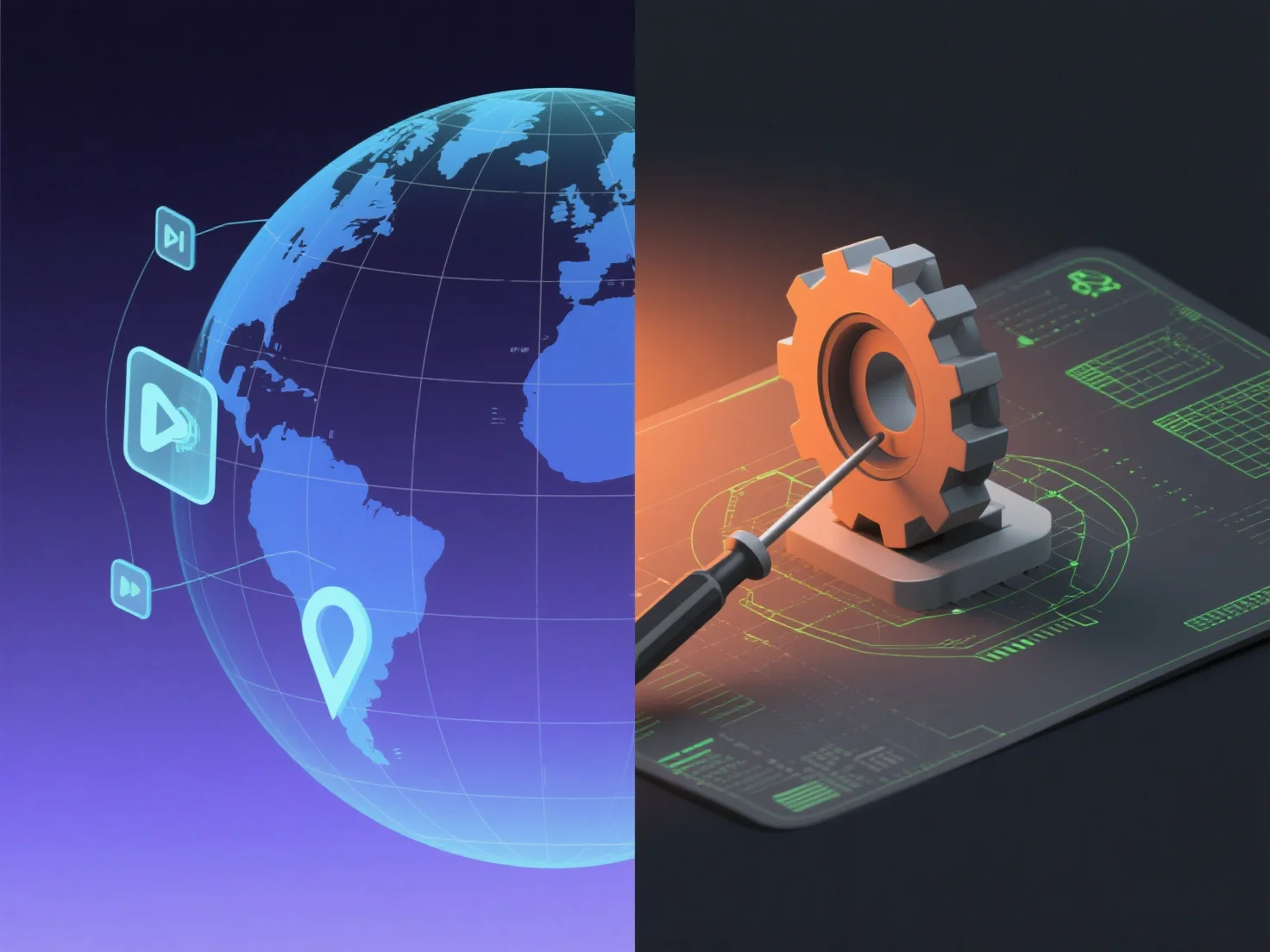
3D-рішення адаптуються до онлайн- та офлайн-сценаріїв в основному завдяки відмінностям у передачі даних, режимах взаємодії та залежності від апаратного забезпечення.
Онлайн-3D-рішення віддають пріоритет легким моделям і рендерингу в режимі реального часу, щоб мінімізувати затримку в мережі, часто використовуючи хмарні обчислення для ресурсоємних завдань, таких як потокове відео в доповненій реальності або віртуальній реальності.
На відміну від цього, автономні 3D-рішення використовують локальне обладнання для відображення високодеталізованих зображень і забезпечення складної взаємодії, наприклад, у програмному забезпеченні для дизайну або під час особистих виставок з фізичними 3D-моделями.
На практиці онлайн-сценарії підходять для спільних проектів або віддаленого доступу, тоді як офлайн-сценарії краще підходять для детального проектування або високопродуктивних симуляцій.