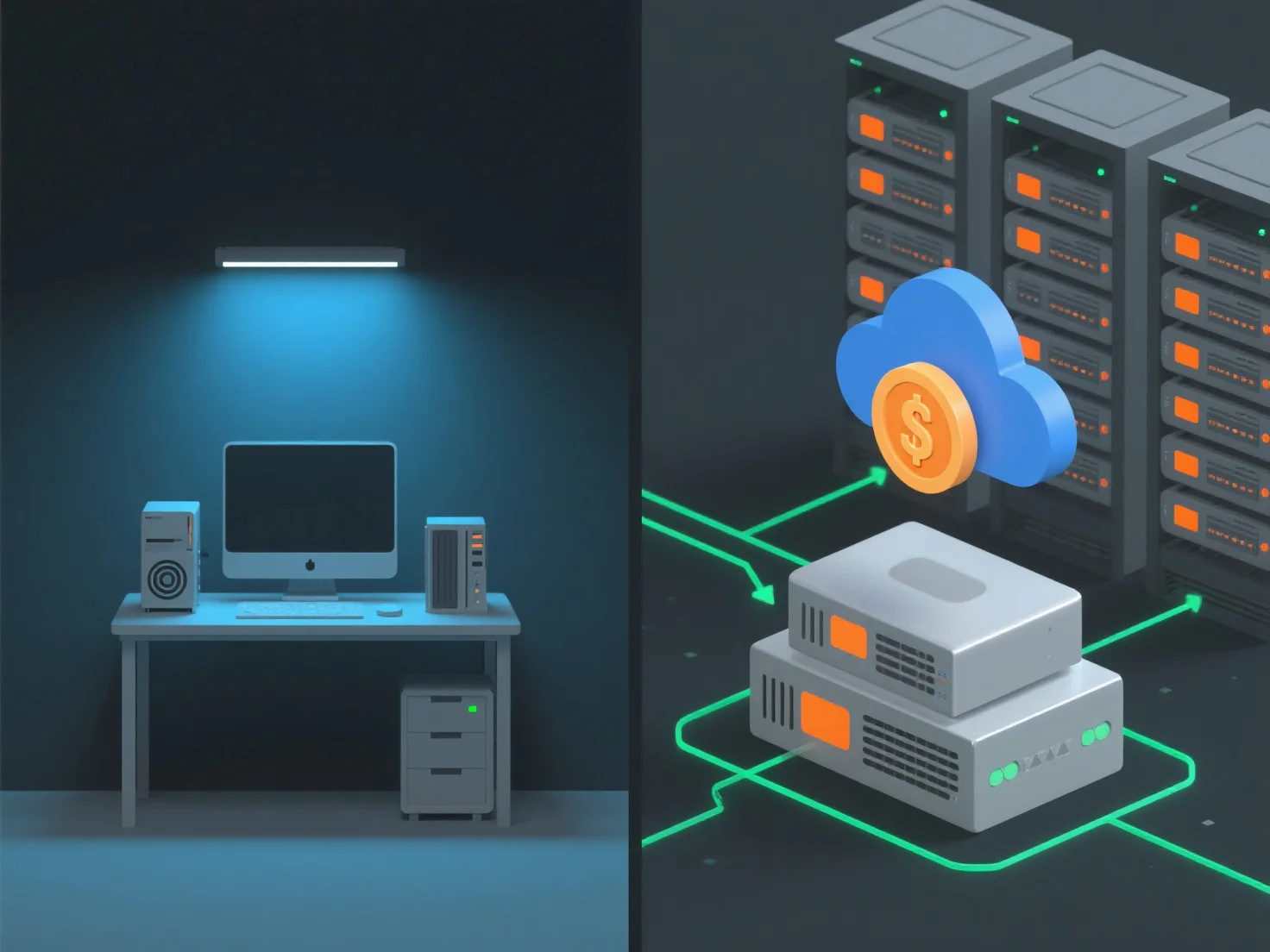
3D-рендерингові конвеєри відрізняються за вартістю інфраструктури в основному залежно від масштабу, складності та вимог до апаратного/програмного забезпечення. Конвеєри невеликого масштабу


Як 3D-рендерингові конвеєри відрізняються за вартістю інфраструктури?
Вартість інфраструктури процесу 3D-рендерингу відрізняється за масштабом, складністю та потребами в обладнанні/програмному забезпеченні, при цьому малі масштаби є дешевшими, а великі масштаби — дорожчими.