


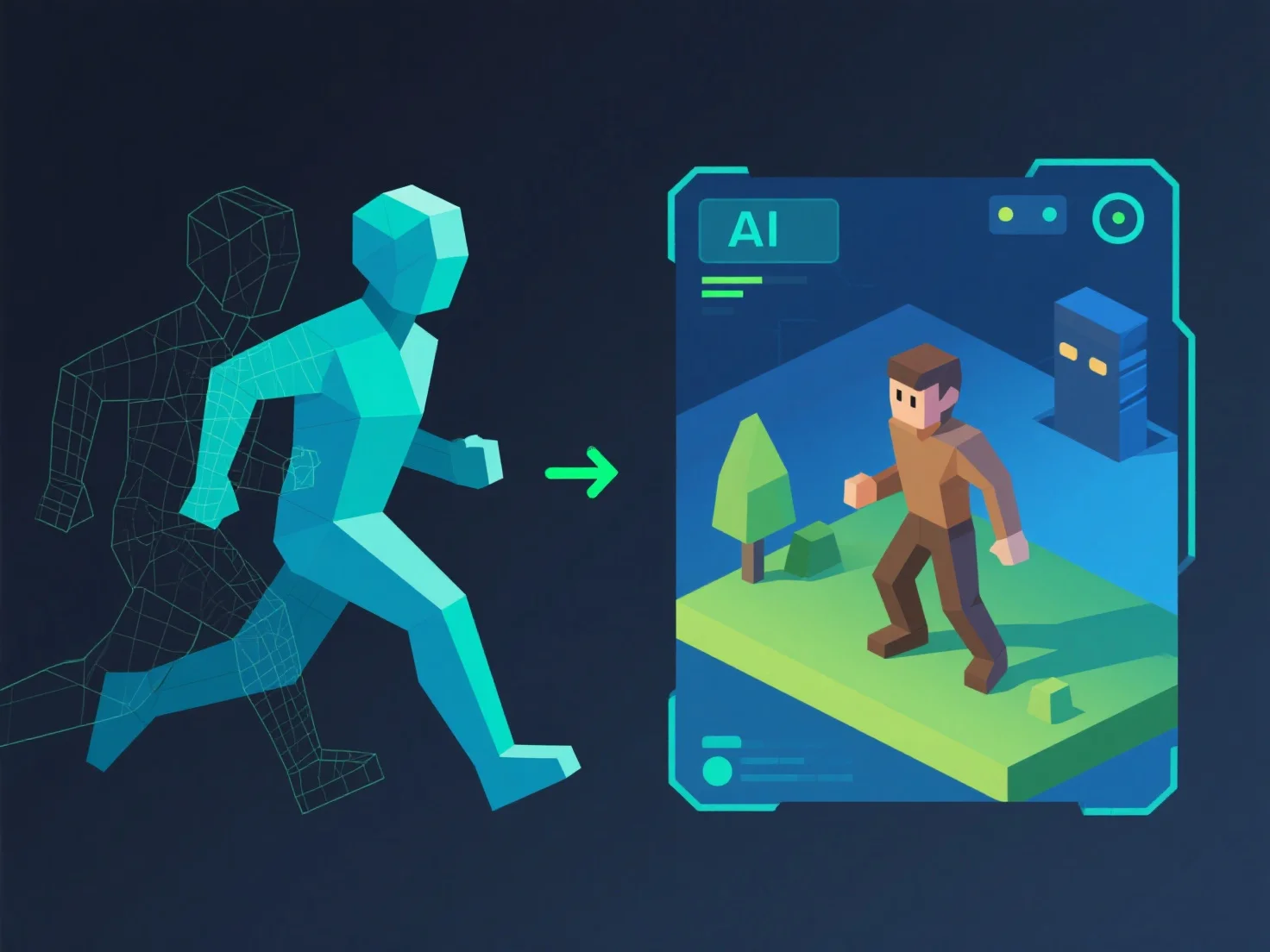
3D-моделі інтегруються в ігрові движки для використання в режимі реального часу за допомогою оптимізації, конвертації форматів і налаштування ресурсів, що забезпечує їх легкість, сумісність і плавне відображення під час гри.
Оптимізація зменшує кількість полігонів, стискає текстури та спрощує геометрію, щоб відповідати обмеженням продуктивності. Конвертація формату.
Для початківців: експортуйте просту модель з Blender у формат FBX, імпортуйте її до Unity, налаштуйте параметри та перевірте рендеринг у реальному часі.