


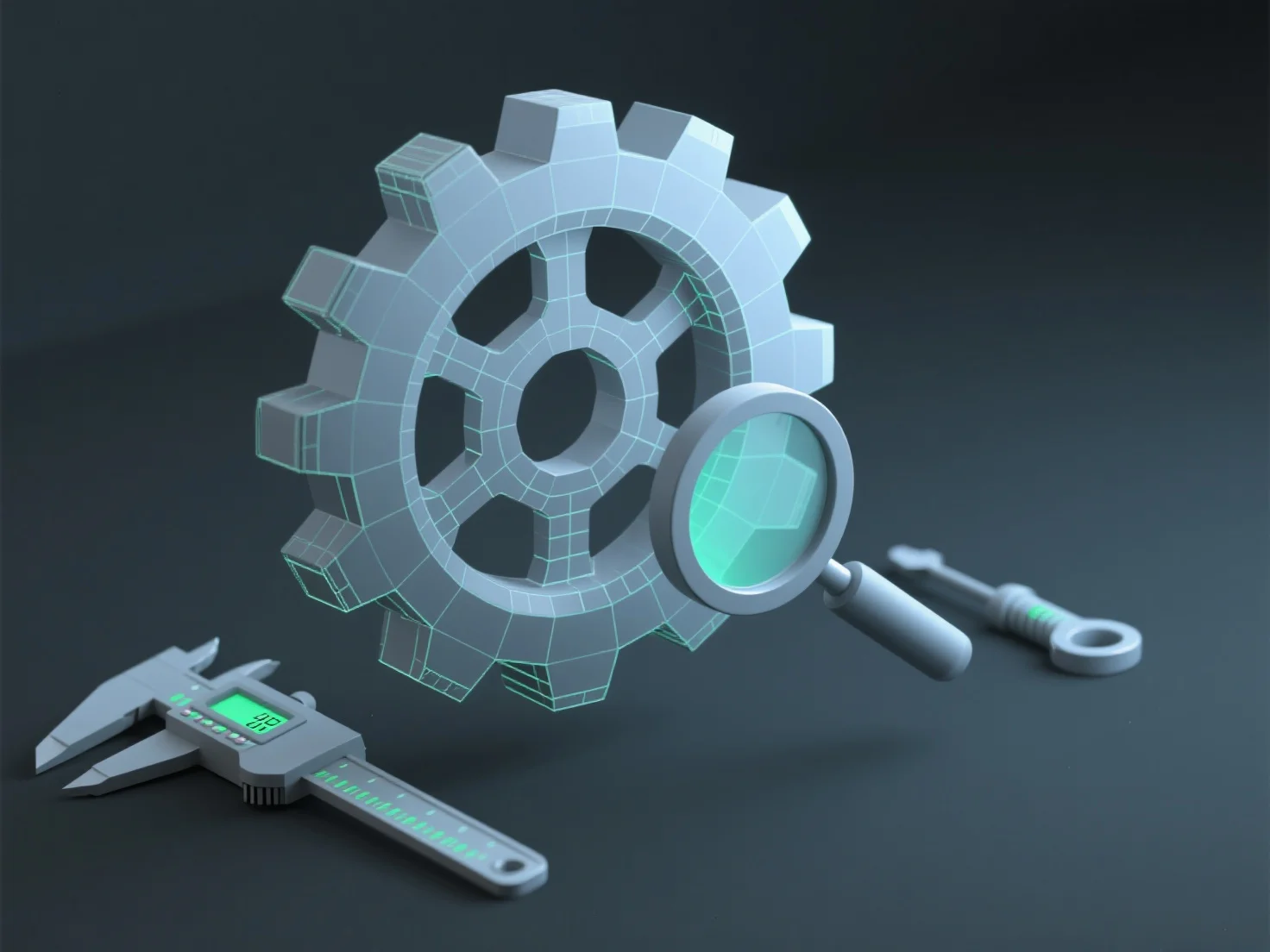
3D-моделі для VR-додатків відповідають стандартам якості, збалансуючи візуальну точність і продуктивність за допомогою ключових технічних оптимізацій і рекомендацій, орієнтованих на апаратне забезпечення.
Ключові оптимізації включають: - **Контроль кількості полігонів**: Обмежуйте кількість полігонів, щоб знизити навантаження на рендеринг (наприклад, менше 100 000 трикутників на модель для гарнітур середнього рівня), щоб уникнути затримок. - **Управління текстурами**: Використовуйте оптимізовані текстури (максимум 2К/4К) з форматами стиснення, такими як ASTC, щоб заощадити пам'ять, не втрачаючи чіткості. - **Стабільність частоти кадрів**: Підтримуйте частоту кадрів понад 90, щоб запобігти запамороченню, відповідно до специфікацій обладнання.
Дотримання цих стандартів забезпечує плавний та захопливий досвід, при цьому розробники посилаються на рекомендації щодо апаратного забезпечення.