


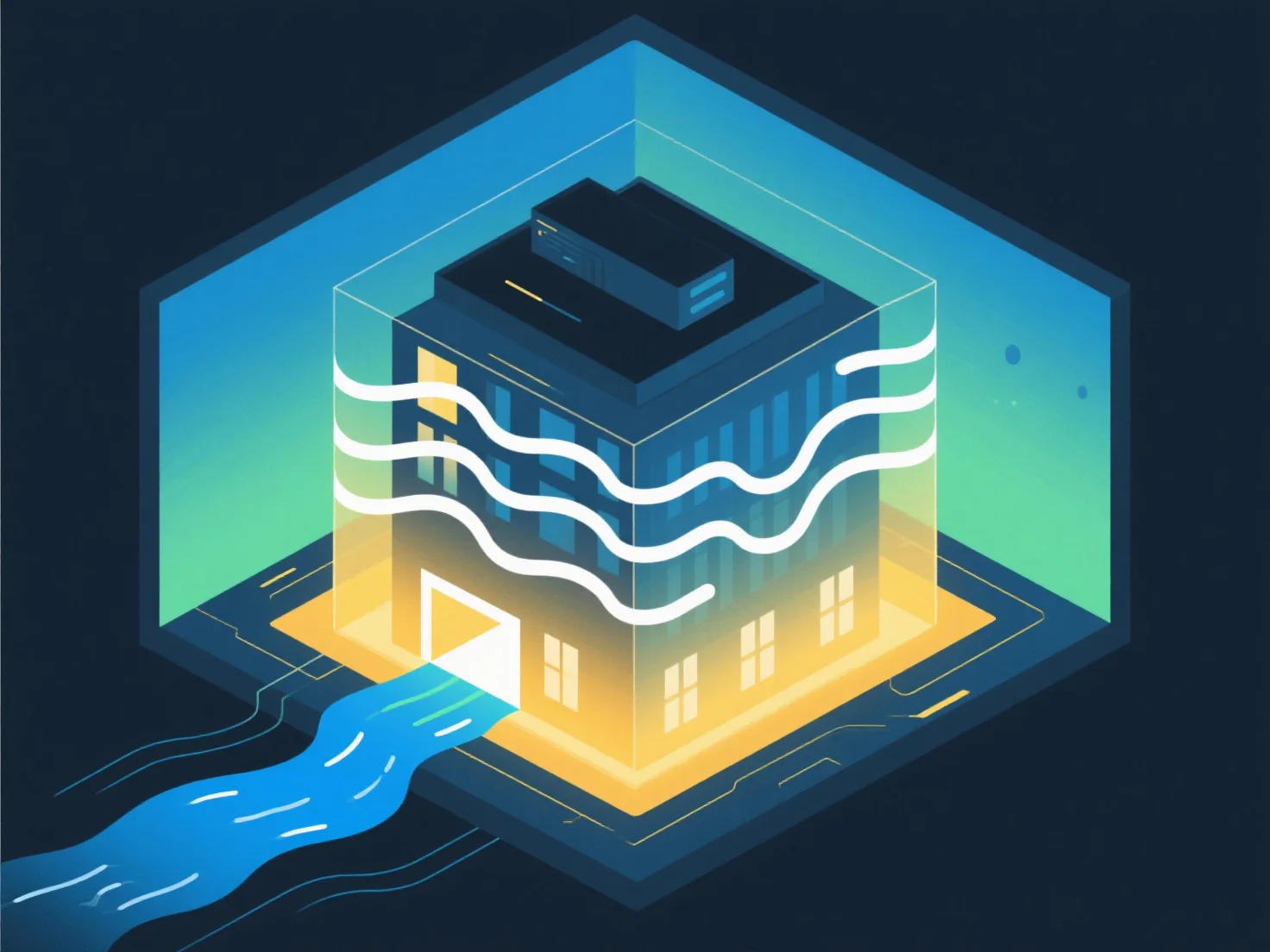
3D-моделювання допомагає моделювати вплив на навколишнє середовище на етапі проектування, створюючи детальні віртуальні представлення проекту для прогнозування екологічних, кліматичних та пов'язаних з ресурсами впливів, що дозволяє проектувальникам аналізувати взаємодії, такі як вплив сонячного світла, сток води та використання матеріалів, до фізичного будівництва.
Ключові застосування в різних галузях включають: - Будівництво: моделювання ефектів тіні будівлі на навколишню рослинність або моделювання схем споживання енергії. - Містобудування: прогнозування зменшення зелених насаджень або утворення теплових островів внаслідок нової забудови. - Відновлювана енергія: моделювання розміщення вітрових турбін для оцінки порушення середовища існування дикої природи або ефективності сонячних панелей в різних погодних умовах.
На початку використовуйте базові 3D-інструменти для моделювання критичних факторів, таких як тіньовий ефект або сток дощової води, для попередніх оцінок впливу.