


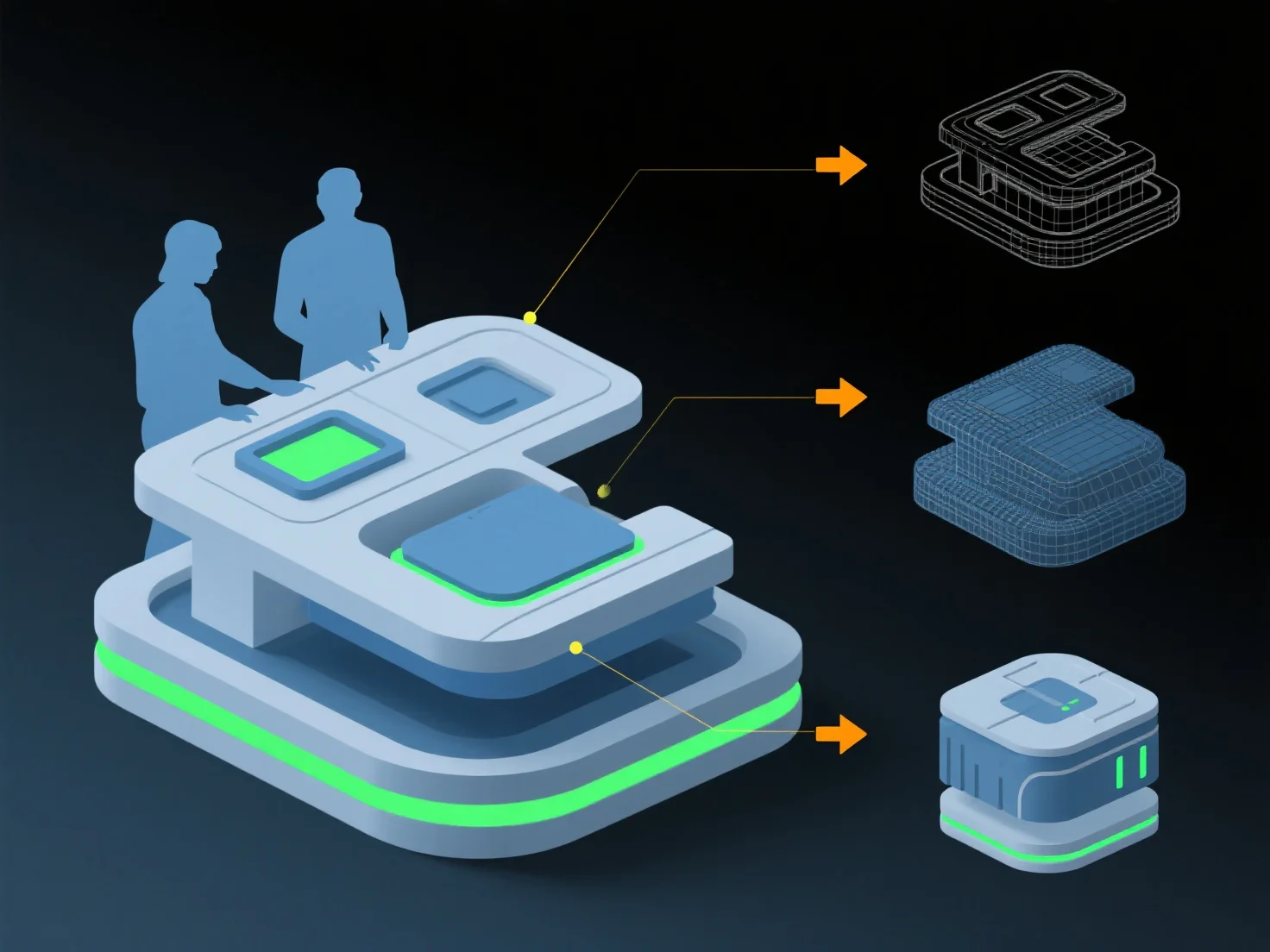
Nos fluxos de trabalho de design 3D colaborativo, os ciclos de feedback servem principalmente para alinhar a intenção de design da equipa, melhorar a precisão do modelo e impulsionar a melhoria iterativa, facilitando a entrada contínua de contributos por parte das partes interessadas.
Eles funcionam através de aspetos fundamentais: - **Alinhamento de intenções**: Assegura que os designers, engenheiros e clientes partilham uma visão unificada, abordando discrepâncias na geometria, texturas ou funcionalidade desde o início. - **Aumento da precisão**: O feedback em tempo real ou iterativo deteta erros (por exemplo, falhas estruturais, inconsistências estéticas) desde cedo, reduzindo o trabalho de revisão dispendioso. - **Aceleração da iteração**: Permite ajustes rápidos com base no feedback, encurtando os ciclos de desenvolvimento para cumprir os requisitos de forma eficiente.
No geral, os ciclos de feedback são fundamentais para a eficiência da colaboração, a minimização de erros e para garantir que o modelo 3D final esteja alinhado com os objetivos coletivos.