


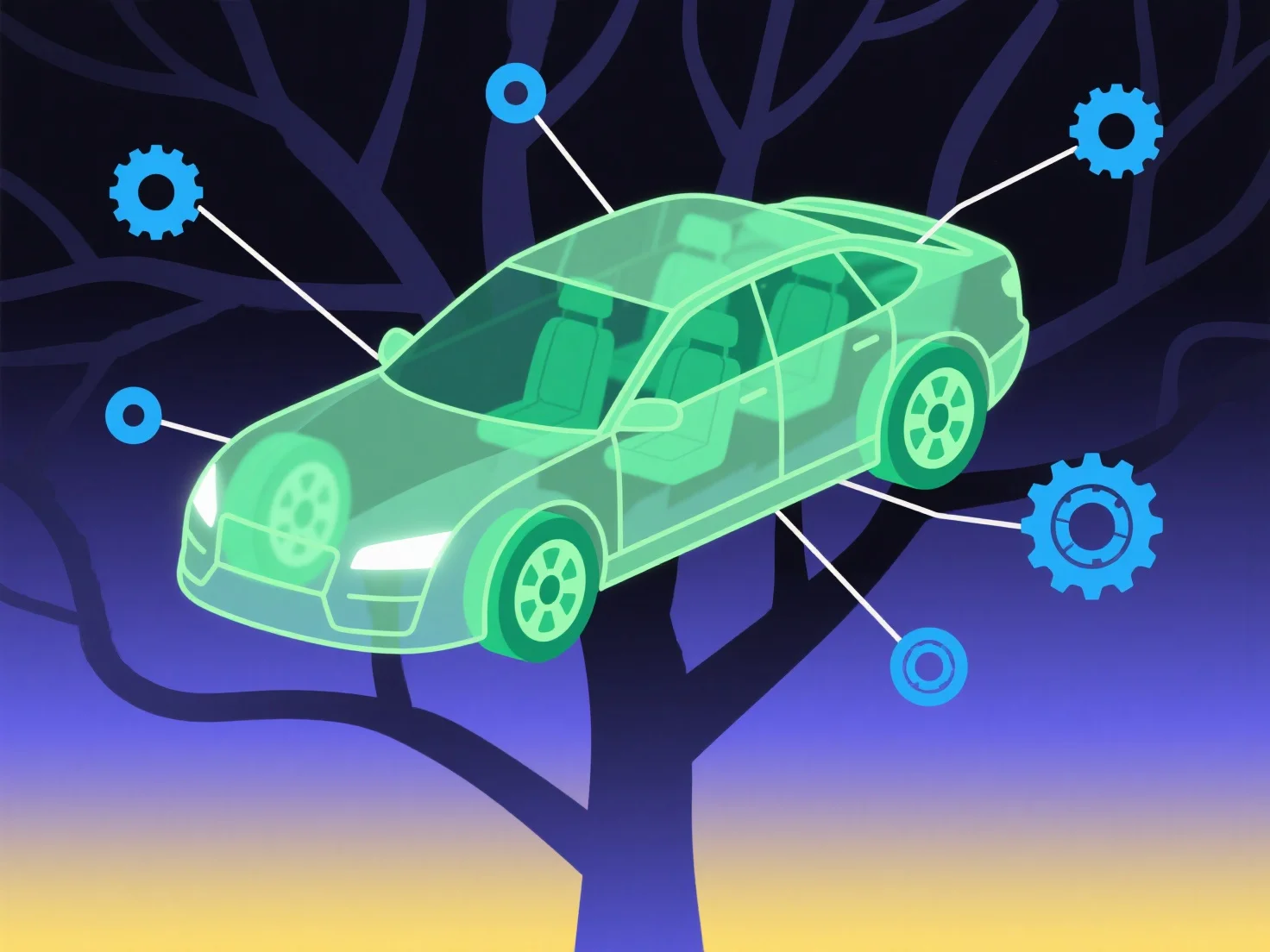
Os gráficos de cena são fundamentais na modelagem 3D para organizar relações hierárquicas entre objetos, permitindo uma edição eficiente, renderização e gestão consistente da cena.
- **Estrutura hierárquica**: Eles definem conexões pai-filho, de modo que ajustar a posição, rotação ou escala de um objeto pai afeta automaticamente os seus filhos, simplificando animações complexas (por exemplo, o braço de um personagem a mover a sua mão). - **Controlo centralizado de atributos**: Agrega propriedades de objetos (tamanho, textura, transformações) num único sistema, tornando as atualizações (por exemplo, alterações de materiais) mais rápidas e reduzindo erros. - **Otimização de renderização**: Agiliza o fluxo de dados para os renderizadores, priorizando elementos visíveis e melhorando o desempenho em cenas dinâmicas, como jogos ou simulações.
Em suma, os gráficos de cena melhoram a eficiência do fluxo de trabalho, mantêm a coerência da cena e são fundamentais para aplicações 3D interativas.