


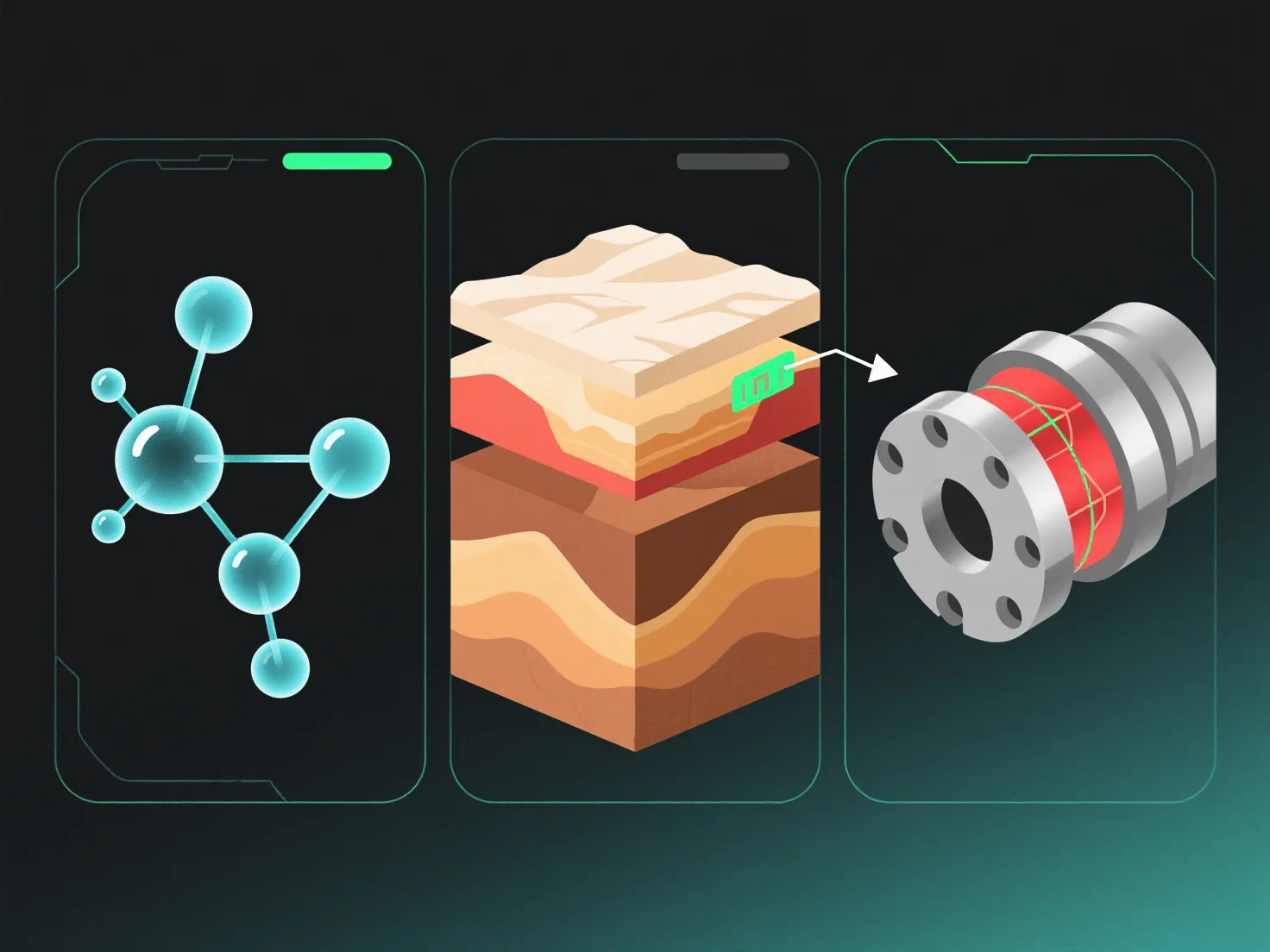
As aplicações típicas da modelagem 3D na investigação científica incluem a visualização de estruturas complexas, a simulação de processos dinâmicos e a possibilitação de análises colaborativas.
Isso transforma dados abstratos em representações 3D tangíveis, melhorando a compreensão e a comunicação das descobertas dos pesquisadores através de renderização e visualização detalhadas.
Aplicações-chave em várias disciplinas: - Biologia: Modelar estruturas moleculares (por exemplo, proteínas) ou sistemas orgânicos para estudar interações e funções. - Geologia: Reconstruir terrenos, formações rochosas ou estruturas subterrâneas para analisar processos geológicos. - Arqueologia: Restaurar digitalmente artefactos ou sítios antigos para preservação e estudo detalhado. - Física: Simular colisões de partículas ou dinâmica de fluidos para testar hipóteses e prever resultados. - Ciências Climáticas: Criar modelos 3D de sistemas meteorológicos, glaciares ou ciclos de carbono para estudar os impactos das alterações climáticas.
Para novos investigadores, ferramentas de código aberto como o Blender oferecem um ponto de partida prático para explorar a modelação 3D na sua área.