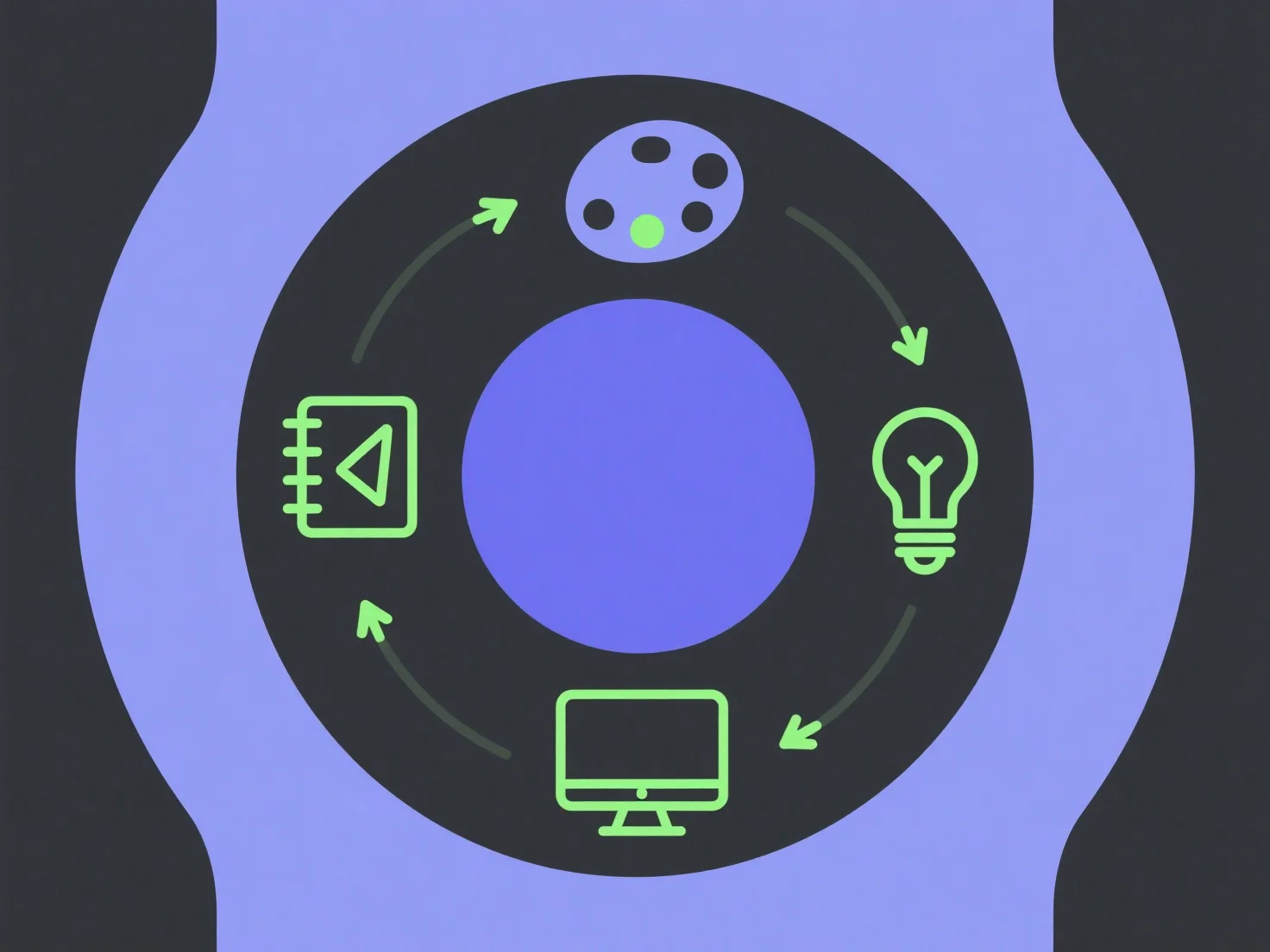
Os estágios típicos do processo de modelagem 3D incluem design de conceito, modelagem 3D, texturização, rigging, animação e renderização. Cada estágio progride sequencialmente: - Design de conceito: Define a aparência e a estrutura do objeto através de esboços ou referências para orientar o fluxo de trabalho. - Modelagem 3D: Cria a forma básica usando software (por exemplo, Blender, Maya) para criar uma malha ou wireframe. - Texturização: Adiciona detalhes de superfície como cor, padrões e materiais para melhorar o realismo. - Rigging: Cria um esqueleto (ossos/articulações) para permitir o movimento de modelos dinâmicos. - Animação: Manipula o rig para animar sequências de movimento (por exemplo, movimentos de personagens). - Renderização: Gera a saída visual final com iluminação e efeitos para um resultado polido. Este processo estruturado garante clareza, tornando mais fácil refinar cada estágio e alcançar modelos 3D profissionais.


Quais são as fases típicas do processo de modelagem 3D?
O processo de modelagem 3D tem etapas sequenciais: design conceptual, modelagem 3D, texturização, rigging, animação e renderização.