Home/Hitem3D FAQ/What are the differences between procedural textures and image-based textures in 3D design?

What are the differences between procedural textures and image-based textures in 3D design?

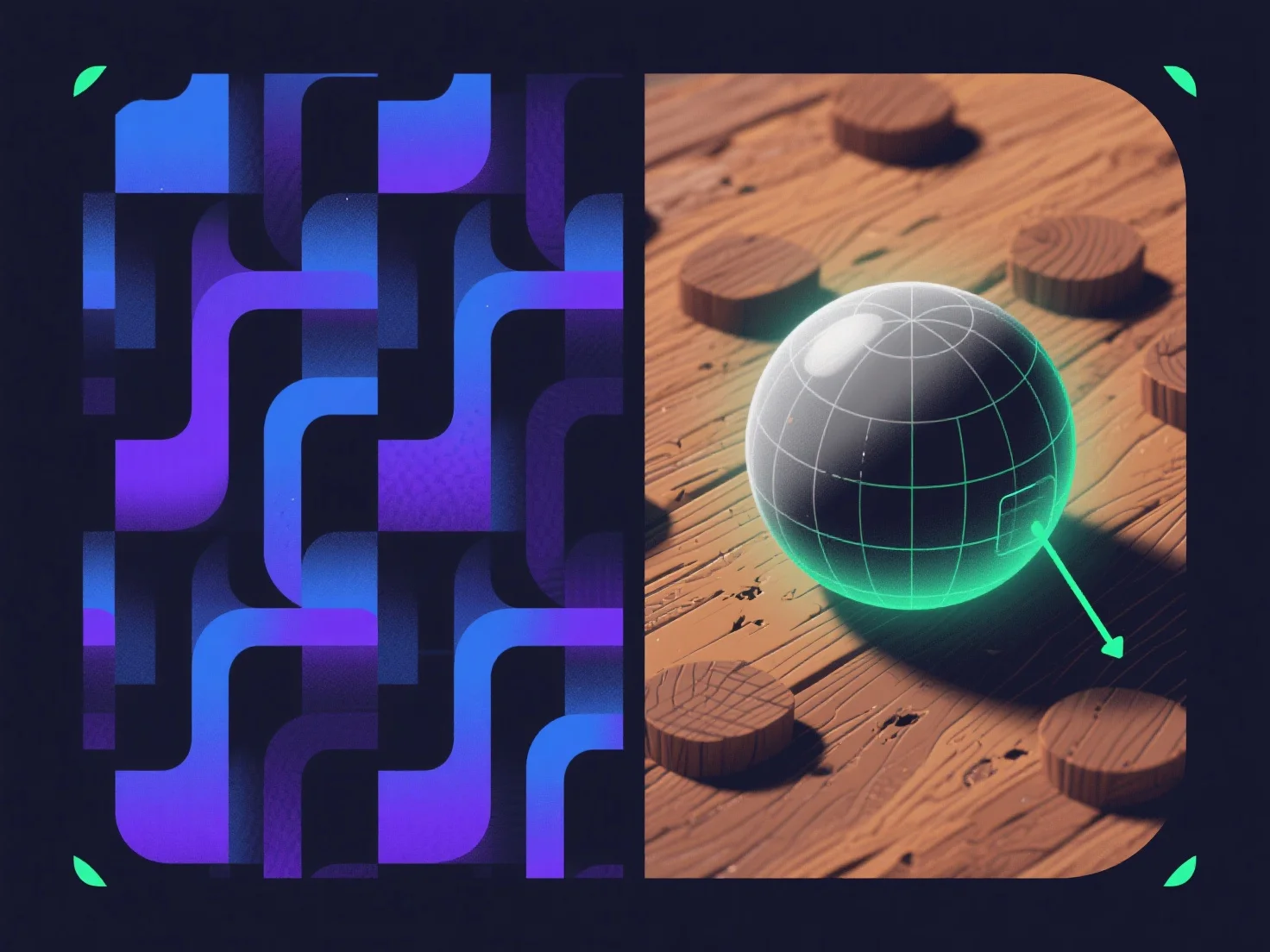
Procedural textures use algorithms for flexibility and scalability; image-based use pre-made files for quick realism.

What are the differences between procedural textures and image-based textures in 3D design?

Procedural textures are generated via algorithms, while image-based textures use pre-made image files; their key differences lie in creation method, flexibility, and resource usage.

Procedural textures rely on mathematical formulas, making them resolution-independent (no pixelation when scaled) and easy to adjust via parameters (e.g., modifying a stone texture’s roughness or pattern density). Image-based textures are bitmap/raster files (e.g., JPEG, PNG), with detail fixed to their original resolution (may pixelate when scaled), ideal for applying real-world material photos (e.g., wooden planks, fabric swatches).

Typical use cases: Procedural textures suit editable, scalable patterns (e.g., brick walls, terrain heightmaps); image-based textures excel at realistic, photo-derived details (e.g., rusted metal).

Choose procedural for adaptability to model scales or frequent tweaks; image-based for quick, photo-realistic results with minimal setup.

PreviousNext
Produto
Web Studio
Plataforma API
Recursos
Imagem para 3D
Multivisualização para 3D
Relevo
Segmentação
Modelos
Modelo geral
Modelo de retrato
Recursos
Blog
Perguntas frequentes
Documentação da API
Sobre nós
Preços