


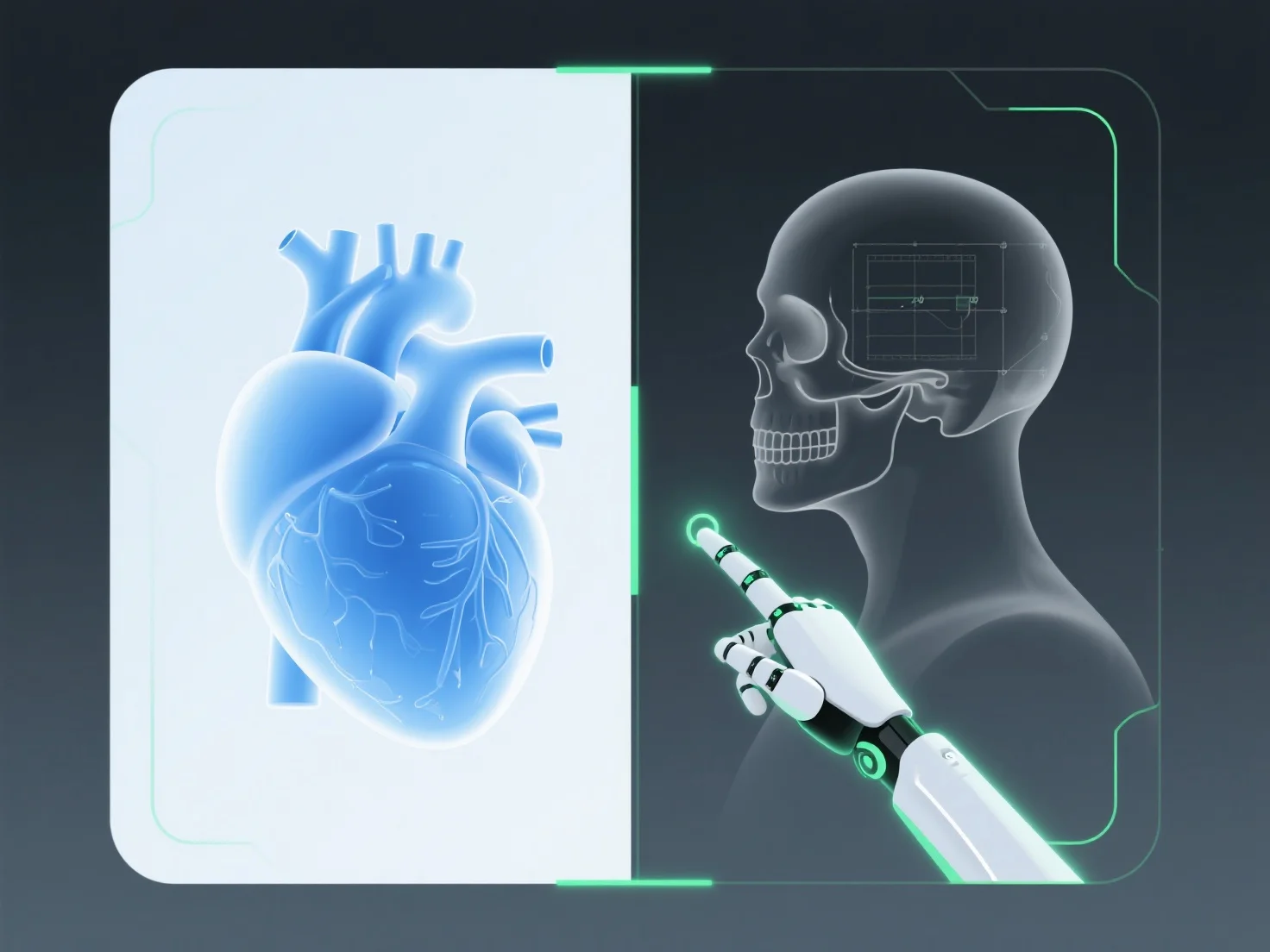
Os usos comuns da modelagem 3D nos campos da medicina e da saúde incluem principalmente o planeamento cirúrgico, a educação médica e as próteses/implantes personalizados, melhorando a precisão, a formação e os cuidados específicos ao doente.
Para o planeamento cirúrgico, visualiza as estruturas anatómicas específicas do paciente.
Na educação médica, modelos 3D detalhados de órgãos ou sistemas permitem que os estudantes interajam com estruturas realistas, aprofundando a compreensão da anatomia complexa para além dos manuais 2D.
Para próteses/implantes personalizados, digitalizar a anatomia dos pacientes permite um design de dispositivo personalizado.
Estas aplicações, em conjunto, promovem o avanço dos cuidados de saúde, ao combinar tecnologia com as necessidades dos doentes, impulsionando a inovação no tratamento e na formação.