


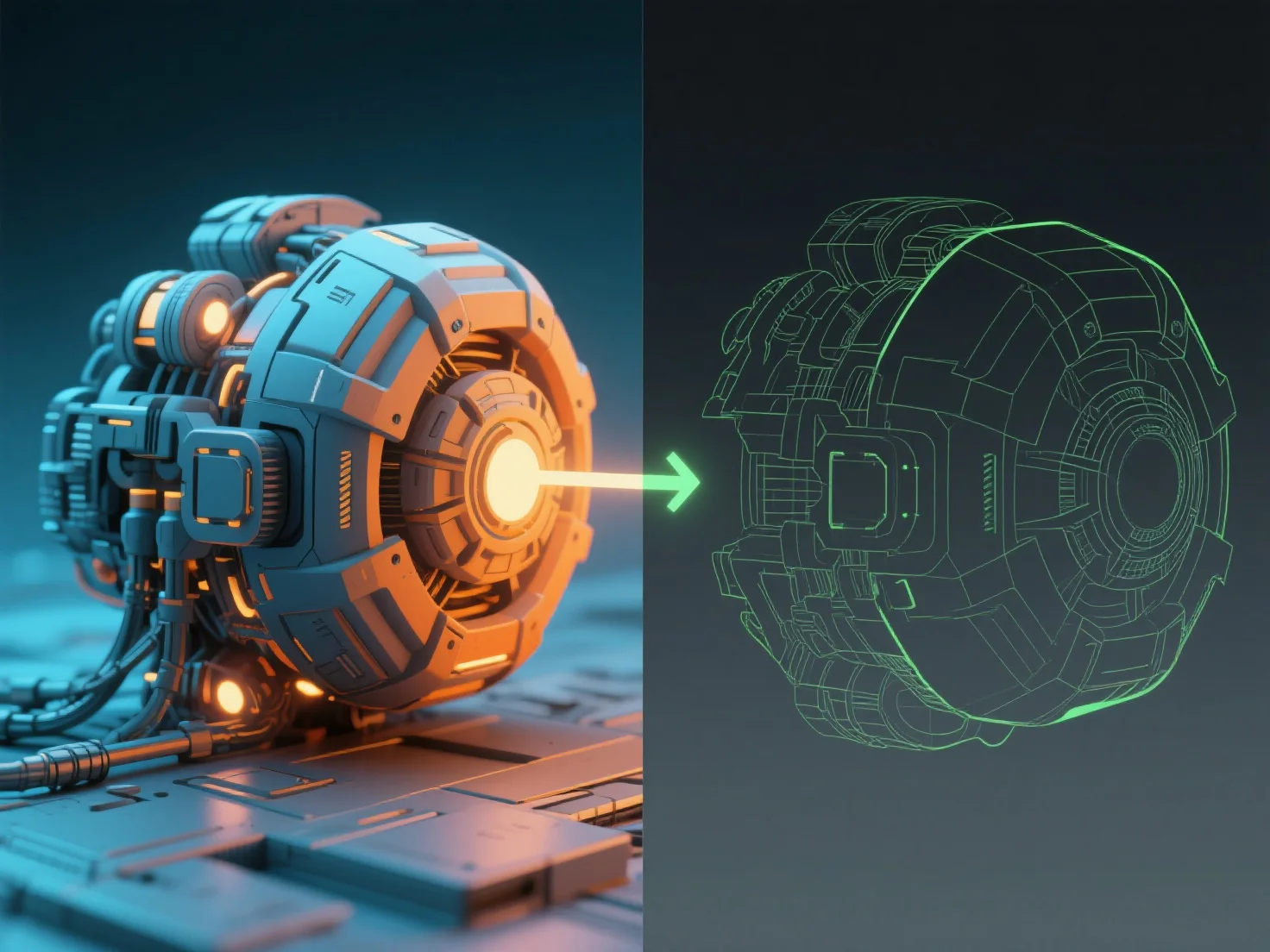
A composição de um modelo 3D, incluindo a contagem de polígonos, o tamanho da textura e a complexidade geométrica, afeta diretamente o desempenho em tempo real: uma maior complexidade aumenta a carga de renderização, levando a taxas de frames mais lentas, atrasos ou tremelicos.
Elementos chave da composição e os seus impactos: - Número de polígonos: Polígonos excessivos sobrecarregam a GPU, causando quedas de frames em jogos ou AR/VR; reduzir os polígonos não essenciais melhora a velocidade de processamento. - Tamanho da textura: Texturas grandes e não comprimidas aumentam o uso de memória, atrasando o carregamento e a renderização; texturas comprimidas/de resolução mais baixa aliviam esta carga. - Detalhes geométricos: Formas demasiado complexas.
Para otimizar, equilibre a composição reduzindo os polígonos, usando texturas comprimidas ou implementando técnicas de nível de detalhe (LOD) para manter o desempenho em tempo real.