Início/Hitem3D FAQ/How does the complexity of light interactions differ between real-time and offline rendering?

How does the complexity of light interactions differ between real-time and offline rendering?

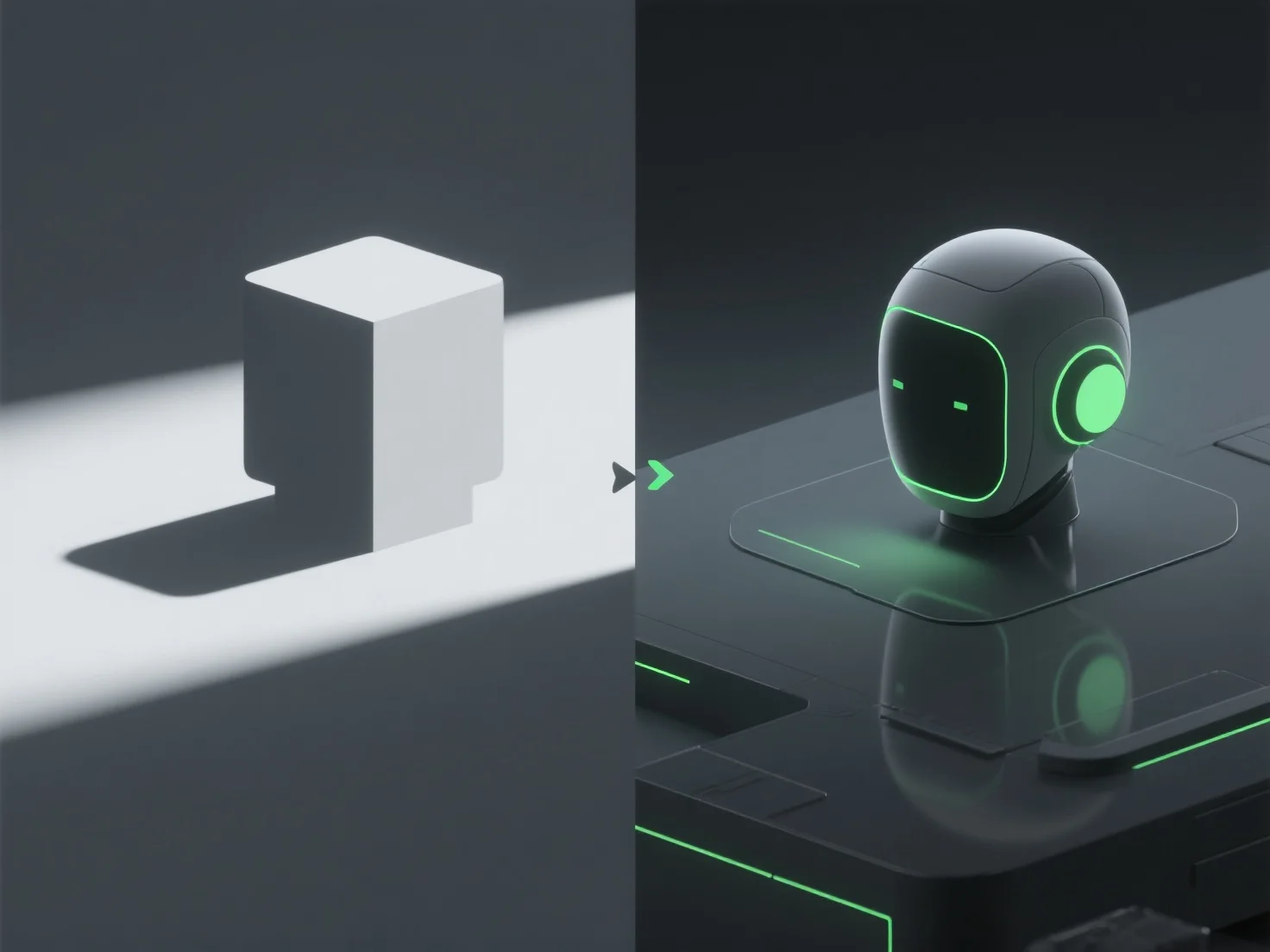
Real-time rendering uses simplifications for interactivity; offline uses detailed simulations for photorealism.

How does the complexity of light interactions differ between real-time and offline rendering?

The complexity of light interactions differs between real-time and offline rendering primarily in computational detail and realism, constrained by their speed and performance needs.

Real-time rendering prioritizes interactivity (e.g., games, VR), using simplified light calculations: baked lighting, approximated shadows, or screen-space effects to maintain high frame rates.

Offline rendering, unburdened by real-time speed limits, simulates complex light behaviors (e.g., ray tracing, global illumination, multiple bounces) for lifelike reflections, refractions, and indirect lighting, used in movies, animations, or high-quality product renders.

In summary, real-time uses simplifications for interactivity; offline uses detailed simulations for photorealism.

AnteriorPróximo
Produto
Web Studio
Plataforma API
Recursos
Imagem para 3D
Multivisualização para 3D
Relevo
Segmentação
Modelos
Modelo geral
Modelo de retrato
Recursos
Blog
Perguntas frequentes
Documentação da API
Sobre nós
Preços