


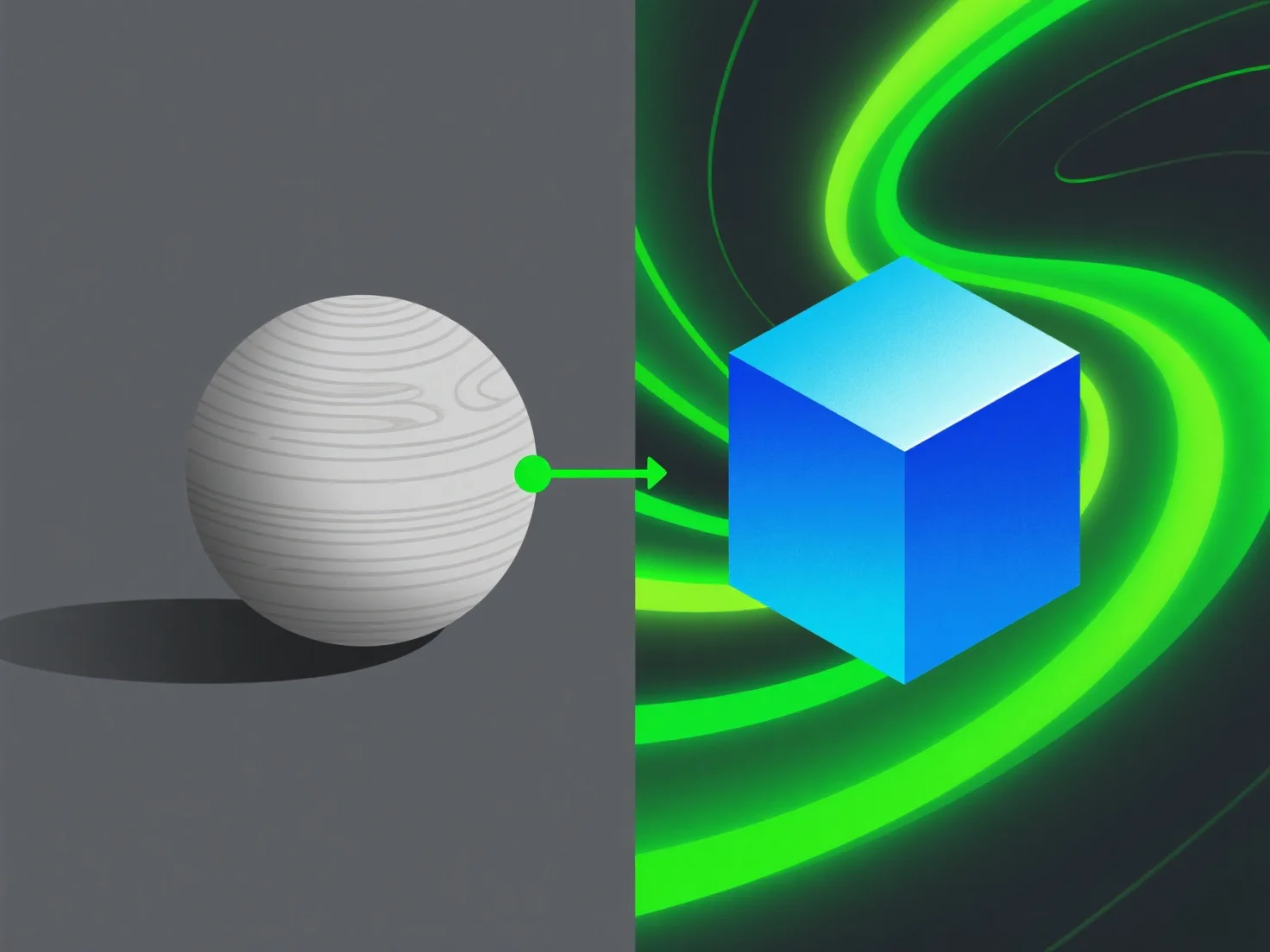
O mapeamento de texturas afeta a composição do modelo 3D, melhorando os detalhes visuais e minimizando a complexidade geométrica. Ele sobrepõe imagens 2D (texturas) em superfícies 3D, simulando materiais como madeira, metal ou tecido para aumentar o realismo sem adicionar polígonos, mantendo os modelos leves.
- **Adiciona realismo de superfície**: As texturas imitam as propriedades do material (cor, rugosidade, padrões), tornando os modelos visualmente realistas sem geometria 3D extra. - **Reduz o tamanho do ficheiro**: Ao utilizar imagens 2D em vez de mais polígonos, o mapeamento de texturas mantém os ficheiros do modelo mais pequenos, melhorando o desempenho de renderização/em tempo real.
No geral, equilibra a qualidade visual e a eficiência estrutural, o que é fundamental para uma composição eficaz de modelos 3D.