


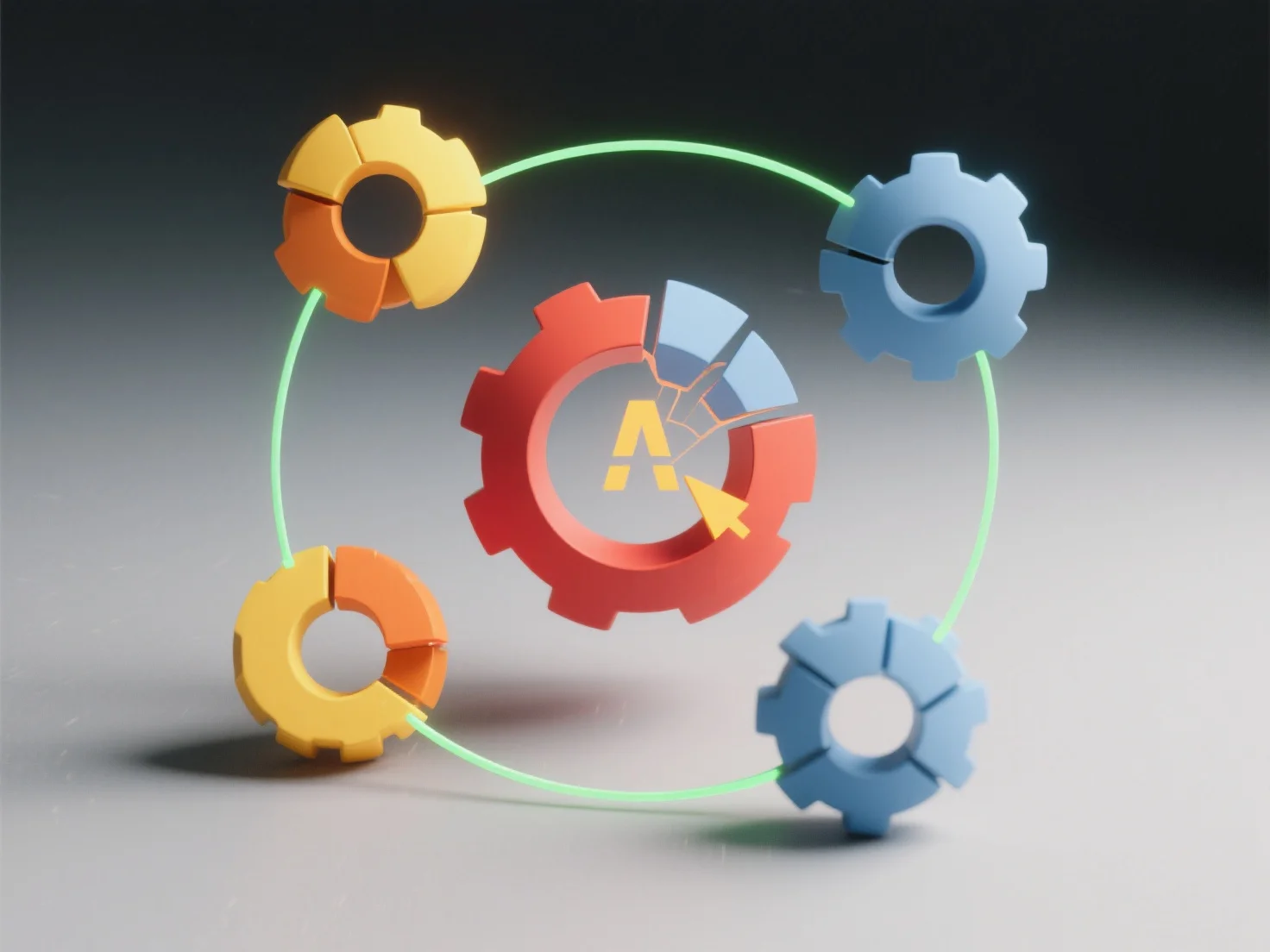
A dependência de funções aumenta o risco nos fluxos de trabalho 3D, criando gargalos quando as funções principais enfrentam atrasos ou indisponibilidade.
Os fluxos de trabalho 3D envolvem, normalmente, tarefas sequenciais.
Para mitigar isso, as equipas podem reduzir as dependências sequenciais rigorosas, treinando os membros para lidar com vários papéis ou adotando estruturas de tarefas paralelas sempre que possível.