


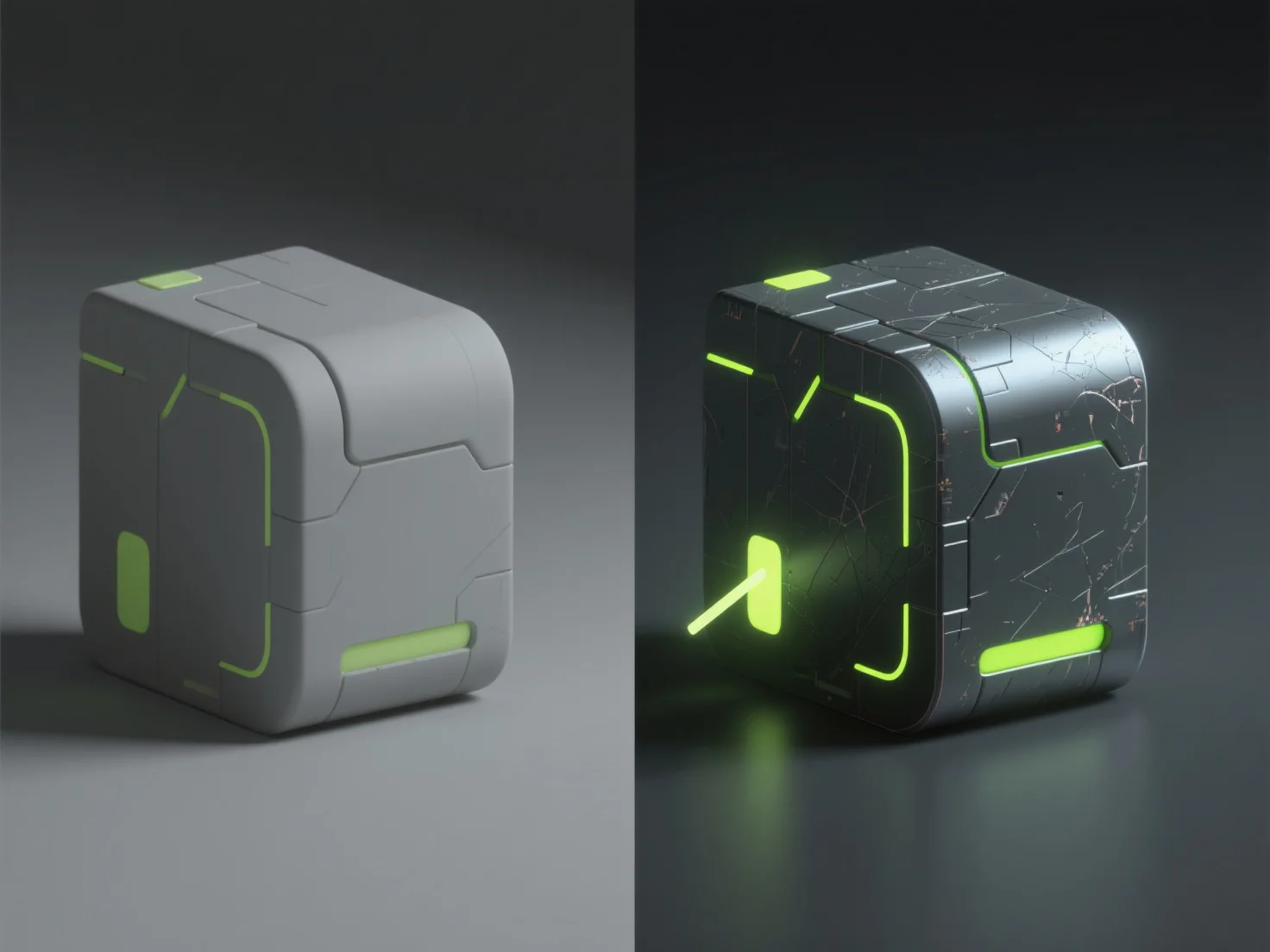
A escolha do motor de renderização afeta diretamente os padrões de qualidade 3D, moldando a fidelidade visual, o desempenho e as capacidades das funcionalidades.
Os motores de renderização diferem no processamento de iluminação, texturas e geometria, estabelecendo expectativas básicas de qualidade. Alguns priorizam o fotorrealismo, outros a velocidade em tempo real.
Aplicações-chave da indústria e os seus padrões: - Jogos: Motores em tempo real (por exemplo, Unity, Unreal) centram-se na taxa de fotogramas e na interatividade, estabelecendo padrões para um movimento suave e detalhes otimizados de ativos, de modo a adaptarem-se ao hardware alvo. - Filme/Animação: Renderizadores offline (por exemplo, Arnold, Redshift) enfatizam iluminação avançada e texturas de alta resolução, elevando os padrões para visuais realistas em conteúdo pré-renderizado. - Arquitetura: Motores especializados.
Para cumprir normas de qualidade 3D específicas, alinhe os pontos fortes do motor, como velocidade em tempo real ou detalhes cinemáticos, com os objetivos do projeto para obter resultados ótimos.