


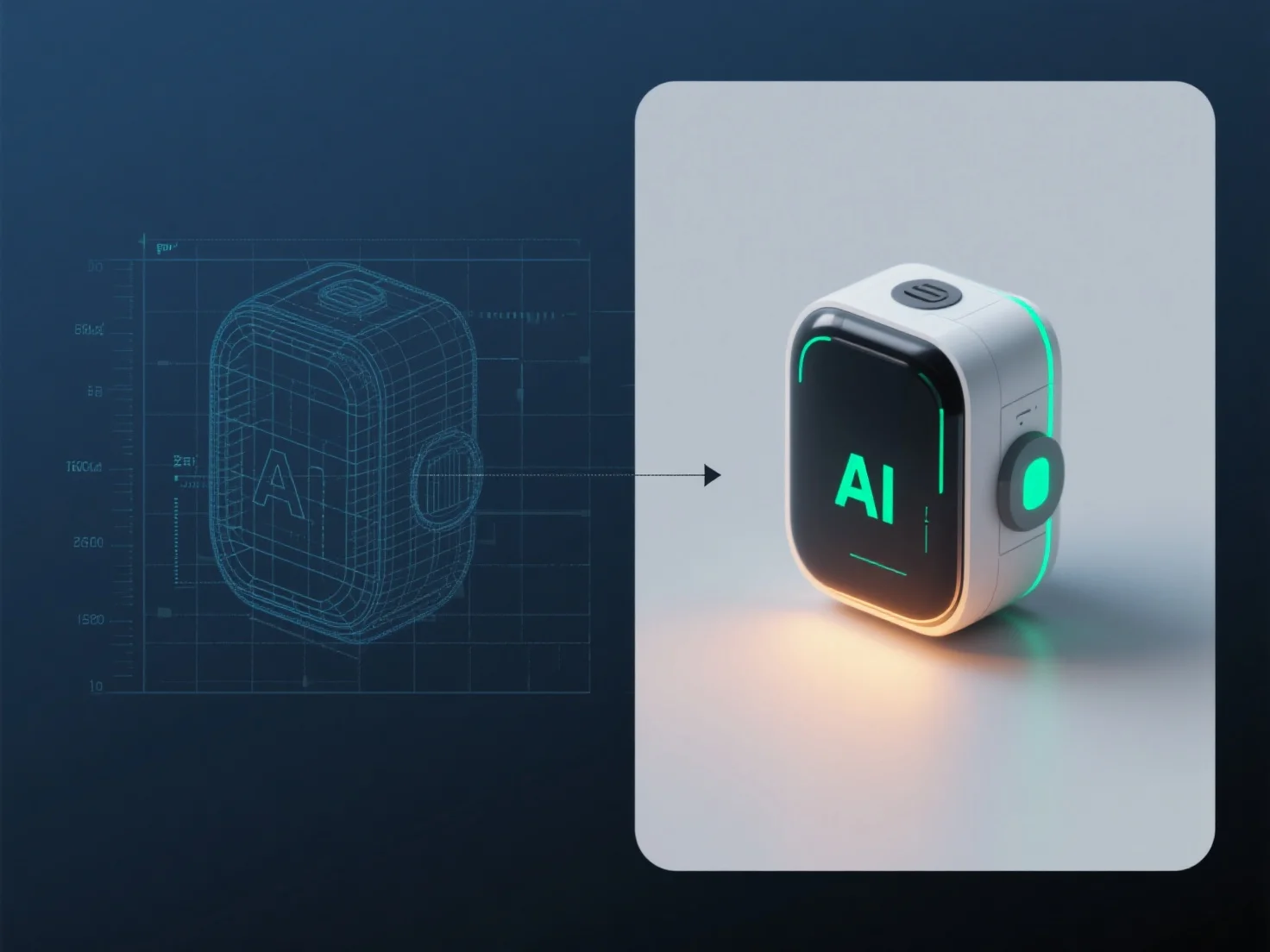
A visualização 3D difere entre o uso interno e o voltado para o cliente, principalmente no foco: o uso interno prioriza os detalhes técnicos e a funcionalidade, enquanto o uso voltado para o cliente enfatiza a clareza, o envolvimento e o alinhamento com a marca.
Internamente, os modelos 3D suportam fluxos de trabalho de engenharia ou design, muitas vezes incluindo medições precisas, desmontagens de componentes e ficheiros editáveis para ajudar na colaboração e na tomada de decisões técnicas.
Os visuais 3D voltados para o cliente simplificam a complexidade, destacando os benefícios do produto ou as experiências do utilizador para envolver o público. Eles priorizam o apelo visual e a consistência da marca, muitas vezes em formatos interativos ou renderizados para apoiar o marketing, as vendas ou a comunicação com o cliente.
Em última análise, as necessidades do público determinam a diferença: as equipas internas necessitam de detalhes para tarefas técnicas, enquanto os clientes respondem à clareza e ao envolvimento na tomada de decisões.