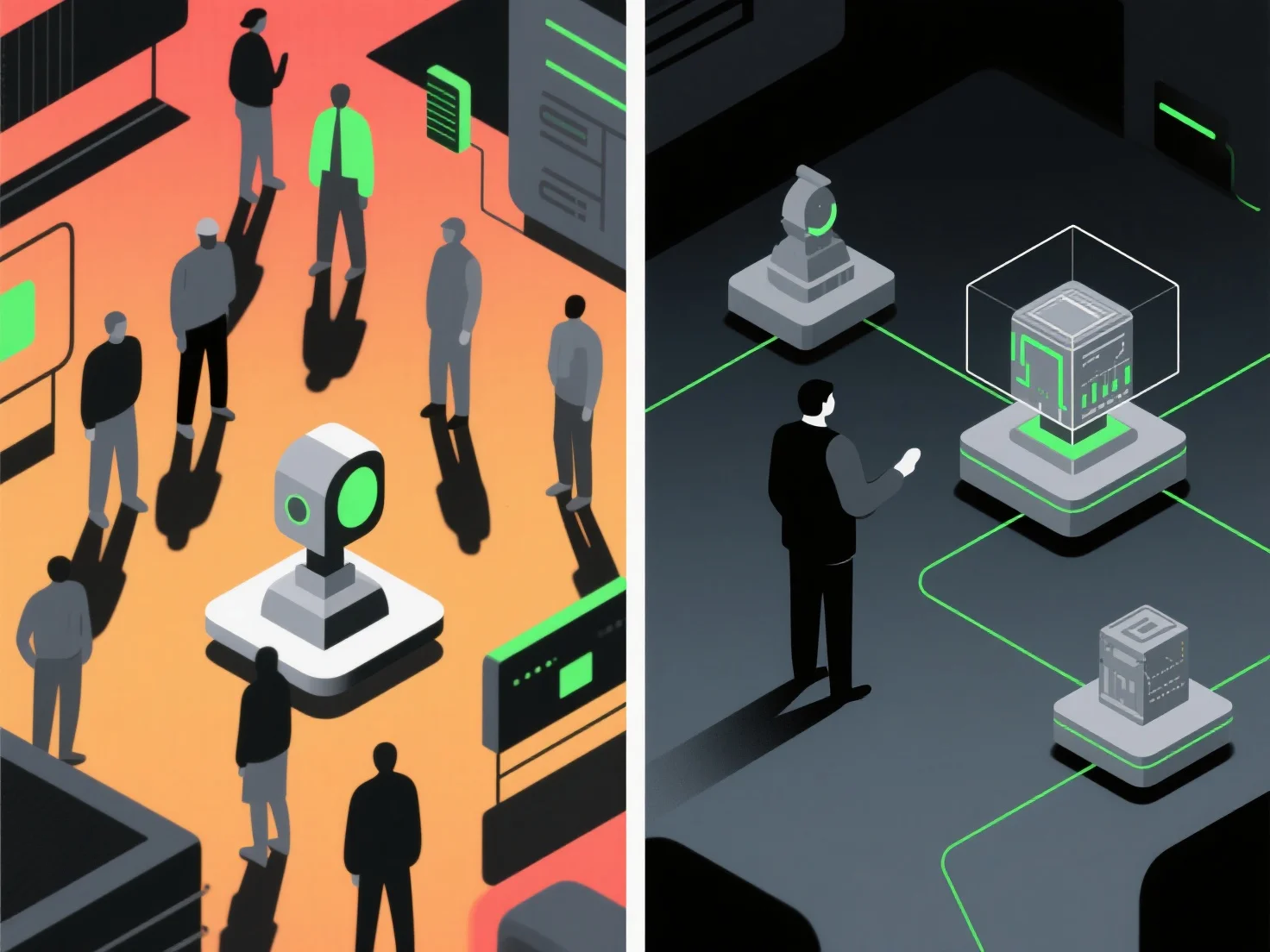
Em ambientes de alto tráfego, as apresentações 3D enfrentam frequentemente problemas de desempenho, como atrasos ou demoras de carregamento devido a um aumento das exigências de processamento de dados, enquanto que em ambientes de baixo tráfego, elas geralmente funcionam sem problemas, com uma renderização consistente e uma capacidade de resposta interativa. A principal distinção reside na alocação de recursos: o tráfego elevado sobrecarrega a largura de banda do servidor e a potência de processamento do dispositivo, levando a taxas de quadros reduzidas ou à simplificação do modelo; o tráfego baixo permite a utilização plena dos recursos para uma renderização detalhada e interações em tempo real. Para resolver os problemas de desempenho em ambientes de alto tráfego, otimizar a complexidade do modelo 3D ou utilizar o streaming adaptativo pode ajudar a manter a usabilidade sem necessitar de grandes atualizações de hardware.


Como é que a apresentação 3D funciona em ambientes de alto tráfego versus ambientes de baixo tráfego?
As apresentações em 3D enfrentam problemas de desempenho em tráfego intenso devido à sobrecarga de recursos, mas funcionam sem problemas em tráfego baixo, com otimizações que ajudam a melhorar a usabilidade em tráfego intenso.