


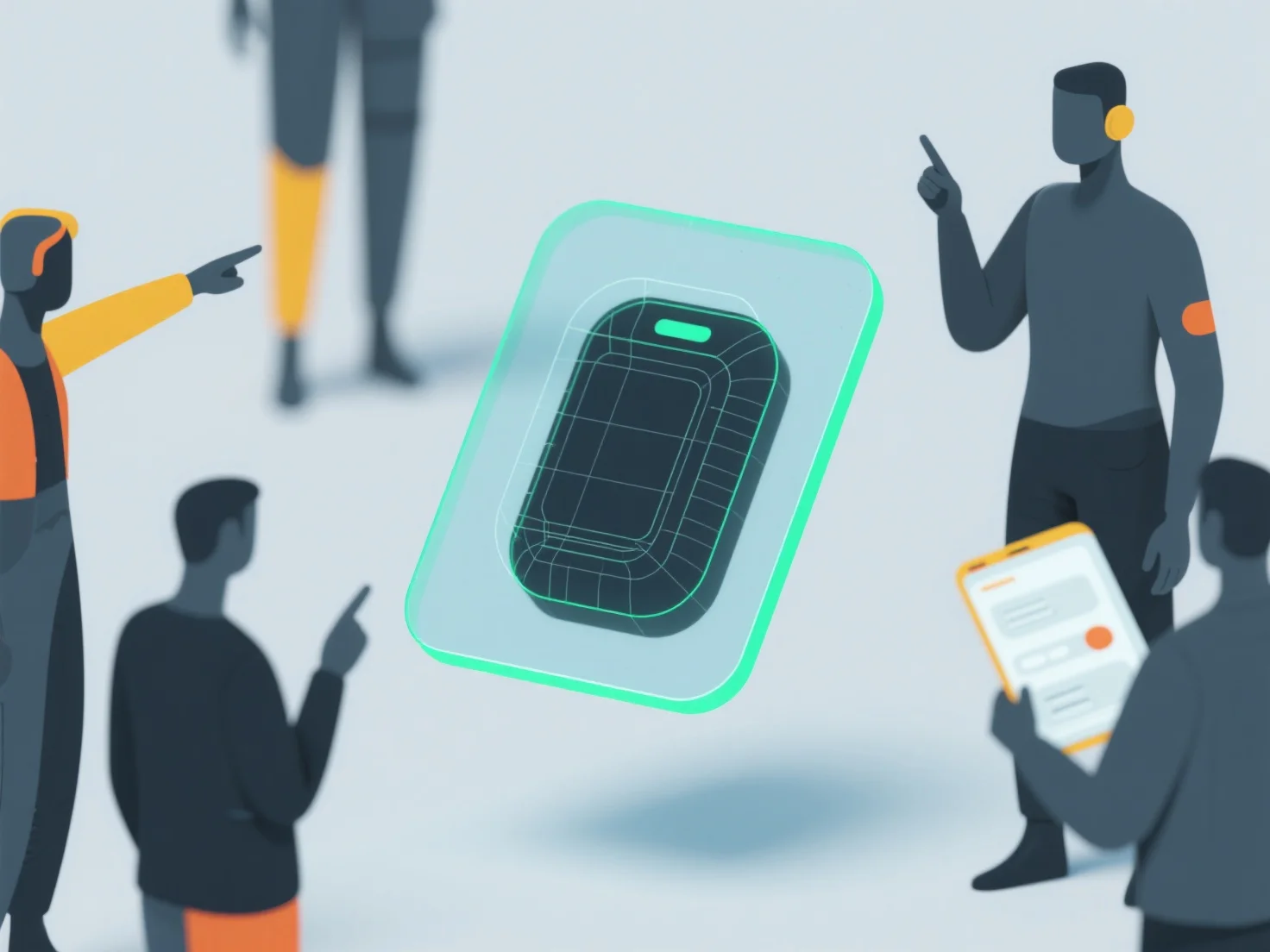
A modelagem 3D suporta princípios de design centrados no utilizador, permitindo uma visualização tangível das necessidades do utilizador, um refinamento iterativo baseado no feedback e testes precoces com os utilizadores, garantindo que os produtos estejam alinhados com a usabilidade e as expectativas dos utilizadores.
- **Visualização tangível**: Transforma os requisitos abstratos do utilizador em modelos 3D concretos, tornando as formas, funções e interações do produto intuitivas, permitindo que tanto os designers como os utilizadores os compreendam.
- **Aperfeiçoamento iterativo**: Os designers podem ajustar rapidamente os modelos 3D com base no feedback dos utilizadores, permitindo uma otimização contínua da usabilidade sem grandes reformulações, mantendo o design centrado nas necessidades dos utilizadores.
- **Testes preliminares com os utilizadores**: Os protótipos 3D permitem testes preliminares com os utilizadores, ajudando a identificar os pontos problemáticos.
Em resumo, a modelagem 3D une as necessidades do utilizador e a execução do design, melhorando a eficiência e a eficácia da implementação do design centrado no utilizador.