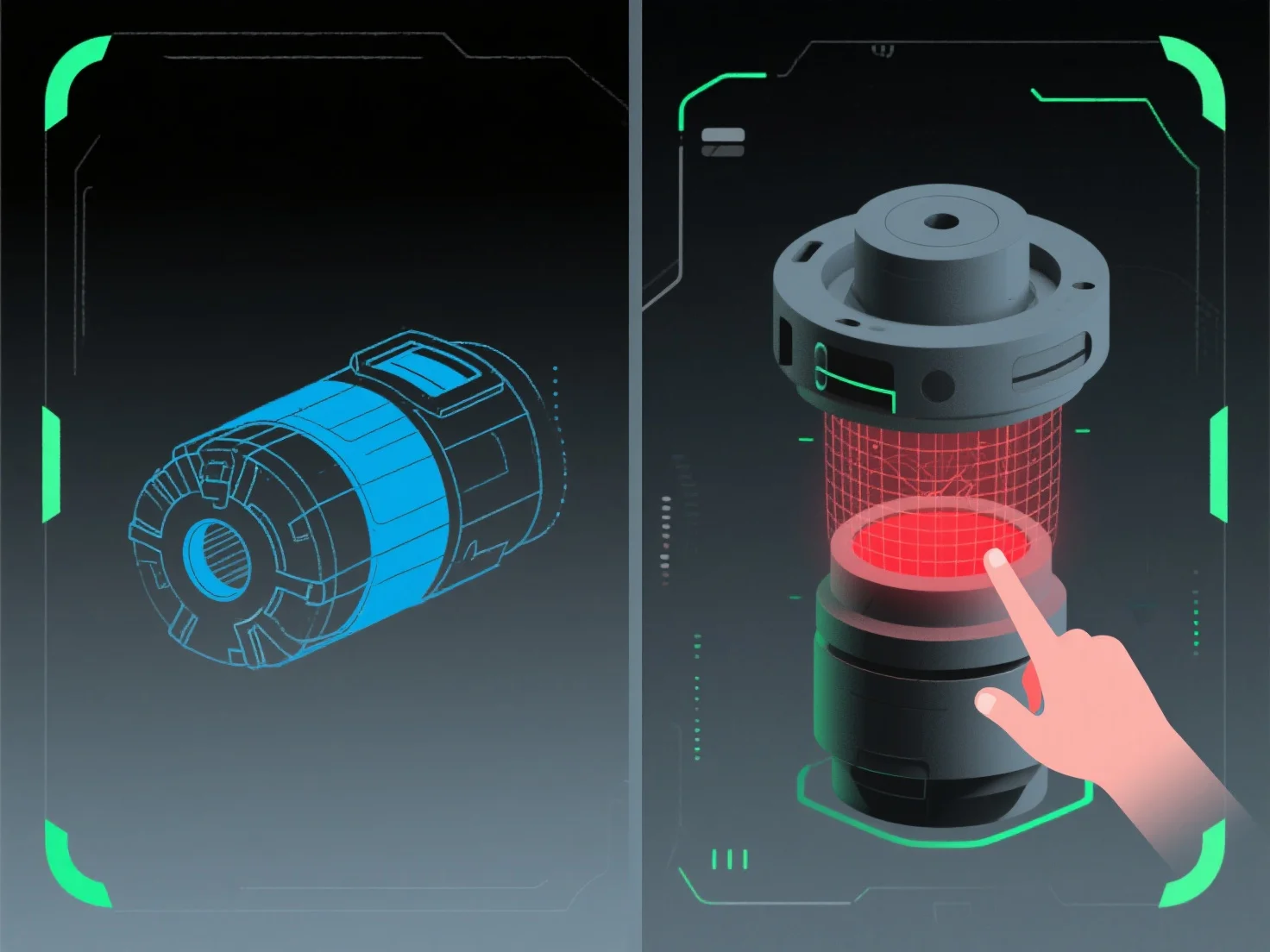
A modelagem 3D ajuda a avaliar a viabilidade do design durante a fase conceptual, fornecendo uma ferramenta visual e interativa para avaliar as relações espaciais, a racionalidade estrutural e a lógica funcional, permitindo a deteção precoce de potenciais problemas. Transforma ideias de design abstratas em representações 3D tangíveis, tornando mais fácil identificar conflitos espaciais, testar escalas proporcionais e verificar se o design cumpre os requisitos funcionais sem necessidade de prototipagem física. As principais aplicações incluem verificar o ajuste dos componentes, avaliar a eficiência da utilização de materiais e simular cenários operacionais básicos para garantir a praticabilidade. Ao permitir uma rápida iteração através de ferramentas de nível inicial, supera os esboços 2D, garantindo uma avaliação de viabilidade eficiente e eficaz.


Como a modelagem 3D ajuda a avaliar a viabilidade do design durante a fase conceptual?
A modelagem 3D permite uma avaliação precoce da viabilidade do design através de ferramentas visuais e interativas para detectar problemas, testar requisitos e iterar de forma eficiente.