


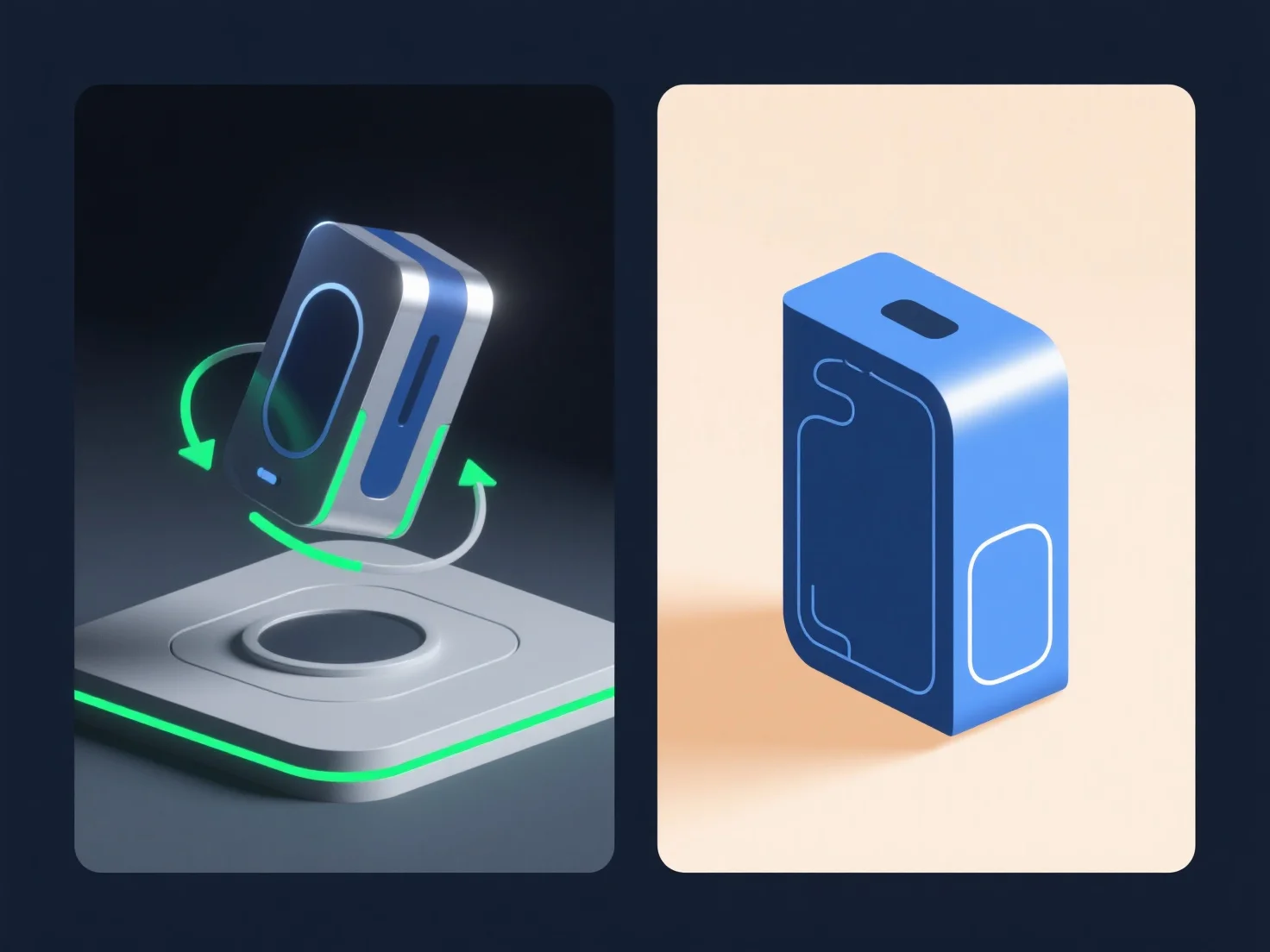
A apresentação de modelos 3D difere das imagens 2D tradicionais em termos de interatividade, profundidade e aplicações práticas, com o 3D a oferecer experiências mais imersivas e dinâmicas, e o 2D a fornecer imagens fixas e planas.
- **Interatividade**: Os modelos 3D permitem que os espectadores rodem, ampliem ou ajustem as perspetivas, permitindo uma exploração multi-angular. No entanto, as imagens 2D apresentam uma vista única e estática, sem interação. - **Profundidade e Clareza Espacial**: Os modelos 3D transmitem claramente as dimensões e as relações espaciais (por exemplo, o tamanho do produto, o layout arquitetónico), enquanto as imagens 2D achatam a profundidade, tornando as estruturas complexas mais difíceis de visualizar. - **Casos de Utilização**: Os 3D são excelentes para mostrar detalhes intrincados.
Em resumo, os modelos 3D melhoram a compreensão espacial, enquanto as imagens 2D continuam a ser eficientes para necessidades visuais simples.