


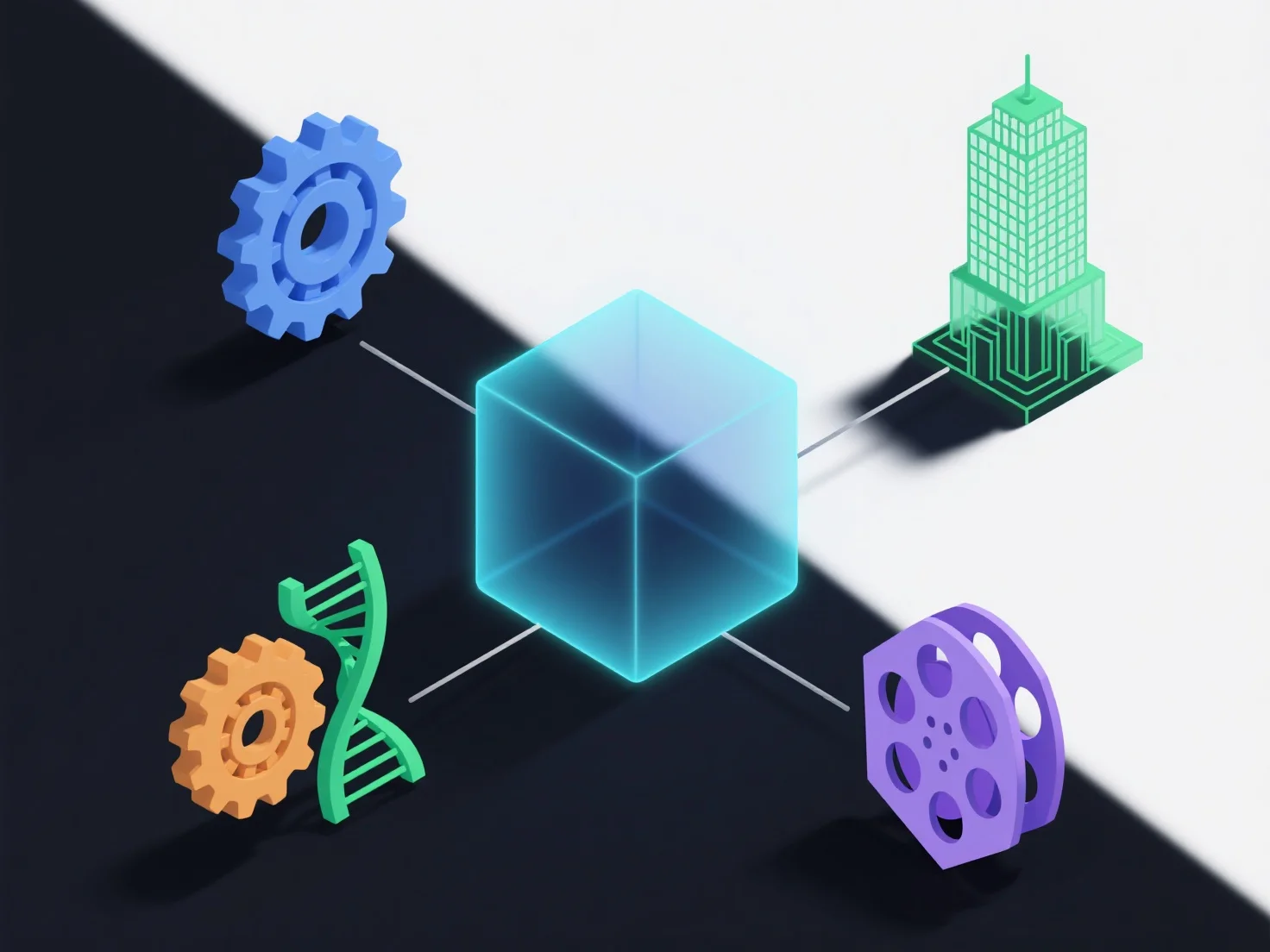
Os requisitos de integração para modelos 3D diferem entre as indústrias, com base nos seus casos de utilização únicos e ecossistemas técnicos, sendo que cada setor prioriza necessidades distintas, como a precisão dos dados, o desempenho em tempo real ou a compatibilidade do fluxo de trabalho.
As principais integrações específicas da indústria incluem: - Fabricação: Integra-se estreitamente com o software CAD/CAM, sistemas PLM e dados IoT para alinhar a precisão do design com os processos de produção. - Saúde: Conecta-se com ferramentas de imagiologia médica (por exemplo, MRI, CT) e sistemas EHR para uma modelagem anatómica precisa e cuidados ao doente. - Jogos/Entretenimento: Liga-se a motores de renderização em tempo real (por exemplo, Unity, Unreal) e software de animação para visuais de alta fidelidade e interatividade. - Arquitetura/Construção: Depende de plataformas BIM e ferramentas de gestão de projetos para alinhar modelos 3D com dados estruturais e cronogramas de construção.
Para planear a integração 3D, as indústrias devem, primeiro, identificar as ferramentas de fluxo de trabalho principais para priorizar soluções 3D compatíveis.