


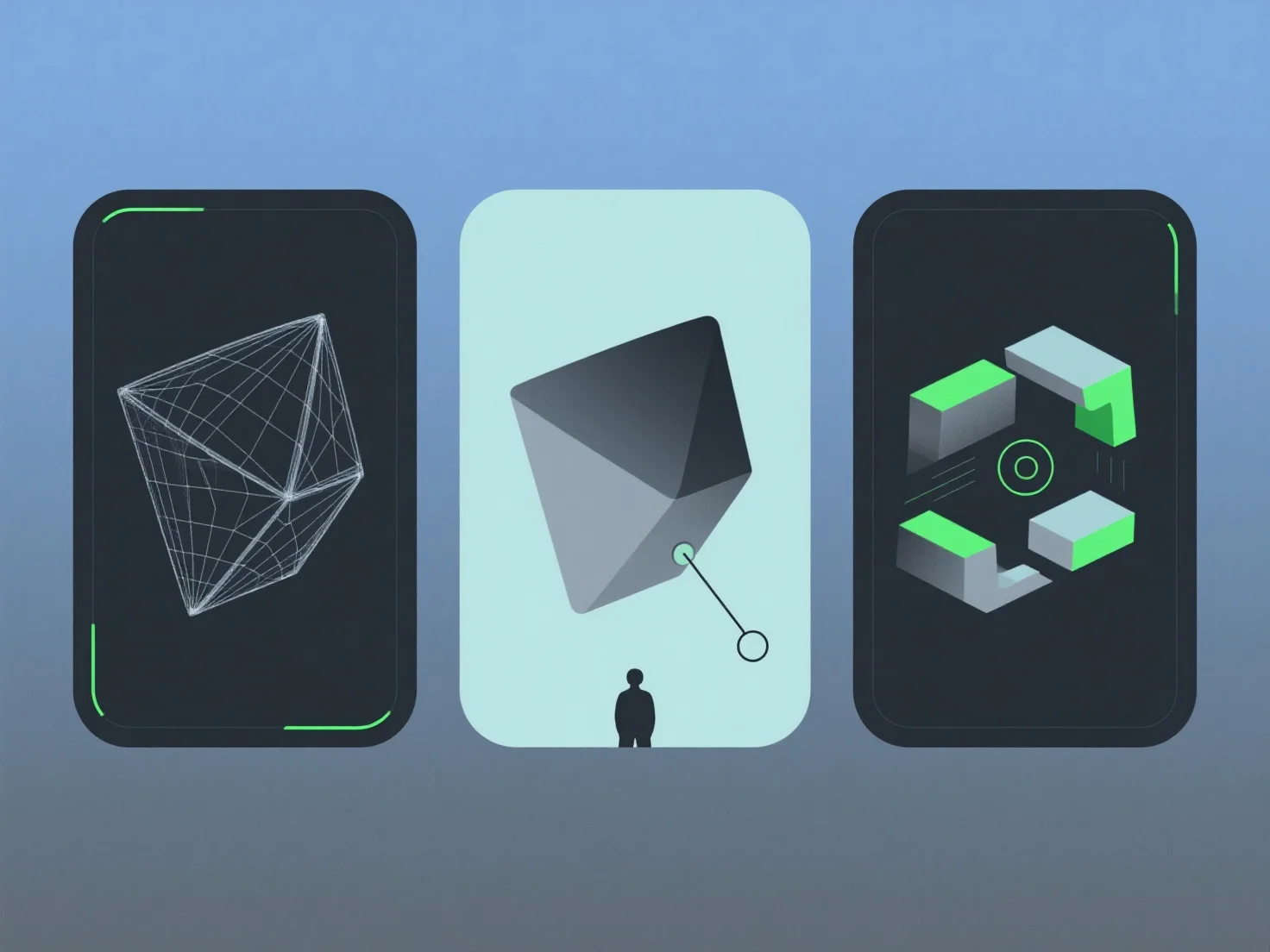
Diferentes formatos de apresentação 3D afetam a compreensão do utilizador, influenciando a clareza espacial, a acessibilidade dos detalhes e o envolvimento interativo.
Os modelos 3D estáticos muitas vezes limitam a perceção de profundidade e o controlo do utilizador, tornando as estruturas complexas mais difíceis de visualizar. Em contraste, os formatos interativos
Para conteúdo técnico ou educacional, o 3D interativo melhora a compreensão através da exploração ativa, enquanto os formatos estáticos podem ser suficientes para imagens simples, mas não têm a profundidade necessária para uma análise detalhada.