


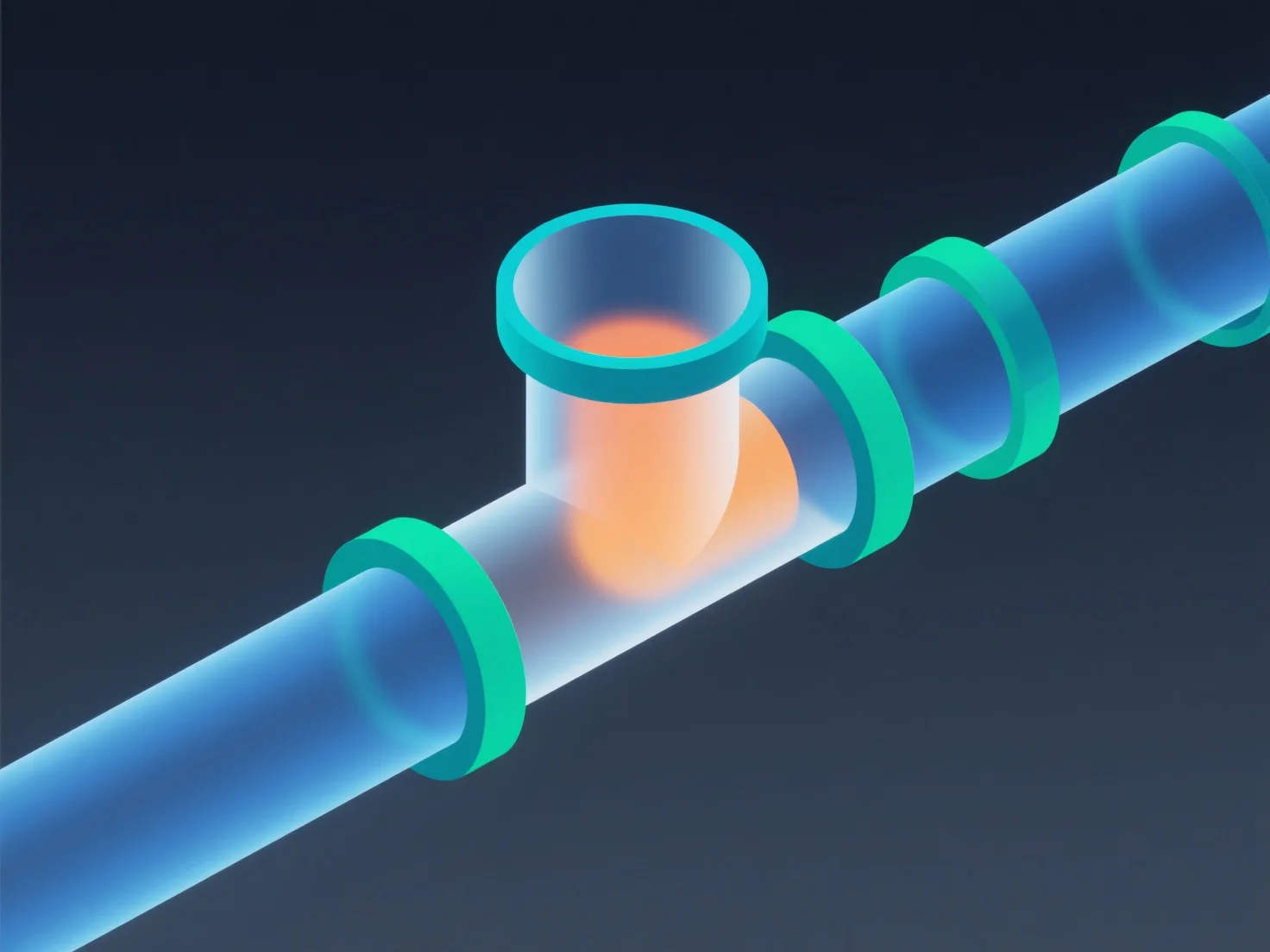
Os papéis de gargalo nos pipelines 3D limitam o rendimento, funcionando como restrições de fluxo de trabalho quando a sua capacidade de processamento é ultrapassada pelas fases a montante, causando atrasos.
As principais formas de restringirem o rendimento incluem: - **Sobrecarga de capacidade**: Funções como modelagem ou texturização podem receber tarefas mais rapidamente do que conseguem concluí-las, levando a atrasos. Por exemplo, se os artistas de texturas ficarem atrasados, os ativos modelados acumulam-se, atrasando a animação. - **Falta de recursos**: Equipas com falta de pessoal (por exemplo, riggers) atrasam as transferências, à medida que as tarefas a montante se acumulam enquanto as fases a jusante (animação) aguardam ociosamente. - **Pontos de estrangulamento de dependência**: Funções críticas.
Estes problemas criam atrasos em cascata, reduzindo a eficiência geral do pipeline e a velocidade de produção.