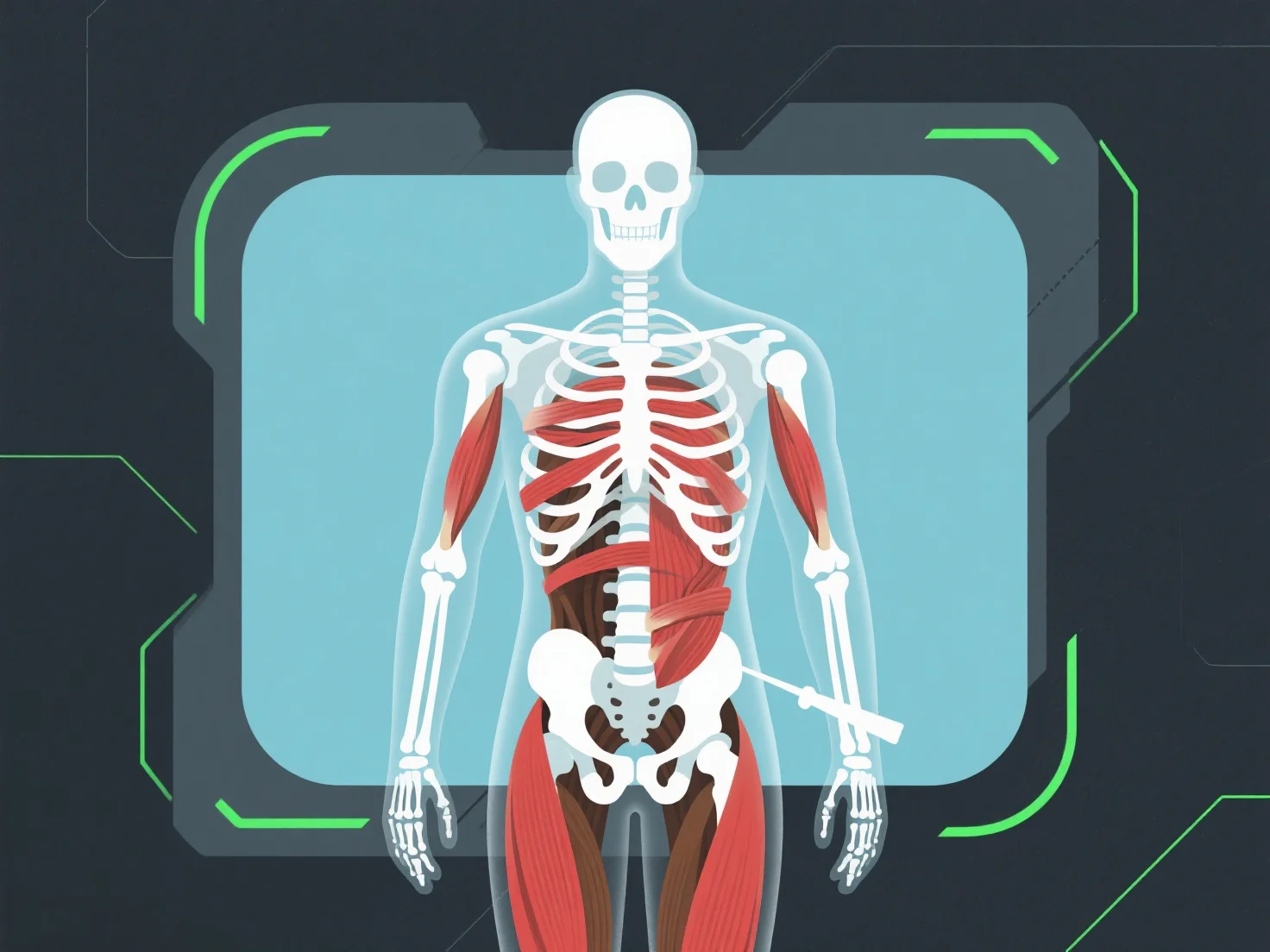
Os sistemas esquelético e muscular em modelos humanos 3D são representados através de hierarquias ósseas estruturadas e simulações musculares dinâmicas ligadas ao movimento das articulações. O esqueleto é modelado como uma cadeia hierárquica de ossos com articulações definidas, formando a estrutura rígida do modelo. Os músculos são tipicamente representados de duas formas: ou como malhas deformáveis ligadas aos ossos, ou através de simulações baseadas na física que imitam a contração e o relaxamento. Esta integração permite um movimento realista. Os músculos esticam-se ou incham à medida que os ossos giram nas articulações, tornando-o amplamente utilizado na visualização médica, animação de personagens e investigação biomecânica.


Como são representados os sistemas esquelético e muscular em modelos humanos 3D?
Os modelos humanos 3D utilizam hierarquias ósseas estruturadas e simulações musculares dinâmicas para um movimento realista em vários campos.