


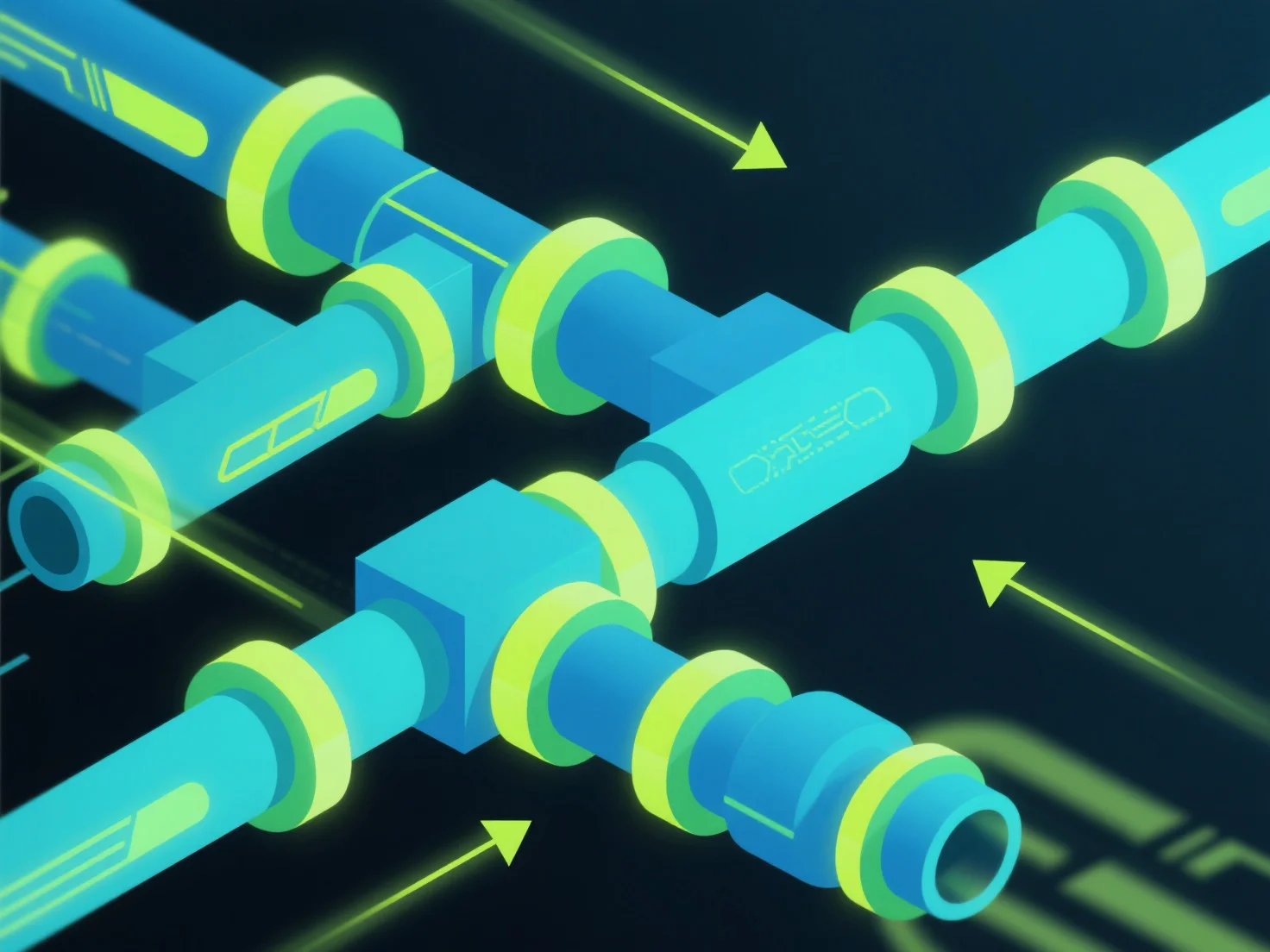
Os pipelines 3D estão a adaptar-se às exigências de iteração mais rápida, integrando fluxos de trabalho modulares, automatização e colaboração na nuvem para simplificar as atualizações.
O design modular permite reutilizar ativos e ajustar fases específicas.
As ferramentas de automação reduzem tarefas manuais como a validação de ativos, a configuração de renderização ou o controlo de versões, diminuindo os erros e os esforços repetitivos.
As plataformas na nuvem permitem feedback e atualizações em tempo real entre equipas distribuídas, encurtando os ciclos de feedback e acelerando a tomada de decisões.
Estas estratégias, em conjunto, otimizam a eficiência e a flexibilidade, ajudando os pipelines 3D a satisfazer as exigências de iteração mais rápida.