


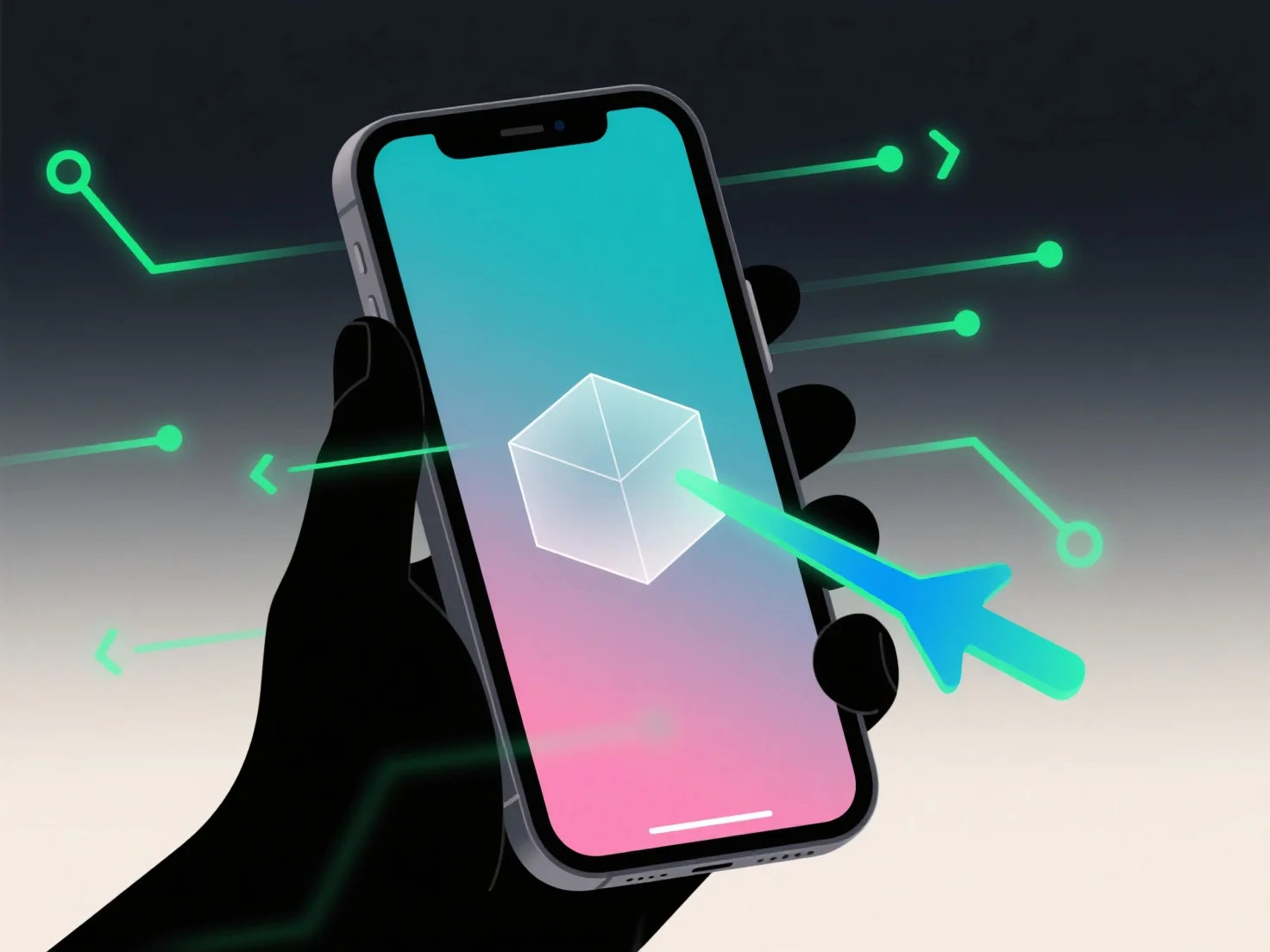
Os modelos 3D são implementados em aplicações móveis, integrando recursos 3D otimizados em motores de renderização ou SDKs, garantindo a compatibilidade com o hardware móvel e o desempenho.
Os principais passos incluem: - **Preparação de ativos**: Converter modelos (criados em ferramentas como Blender ou Maya) em formatos otimizados para dispositivos móveis (por exemplo, glTF, USDZ) para reduzir o tamanho do ficheiro e melhorar a velocidade de carregamento. - **Integração do motor/SDK**: Utilizar motores 3D (Unity, Unreal Engine) ou bibliotecas leves (Three.js para aplicações baseadas na web) para lidar com a renderização, animação e interação do utilizador em dispositivos móveis. - **Otimização de desempenho**: Simplificar os polígonos do modelo, comprimir texturas e otimizar shaders para reduzir a utilização de memória e garantir um desempenho de execução suave em hardware móvel.
Esta abordagem equilibra a qualidade visual com as restrições dos dispositivos móveis, permitindo uma implementação de modelo 3D sem problemas.