Home/Hitem3D FAQ/What role do materials play in the visual output of 3D models?

What role do materials play in the visual output of 3D models?

Materials define 3D models' surface appearance via light interaction, with key properties and applications across gaming, architecture, and product design.

What role do materials play in the visual output of 3D models?

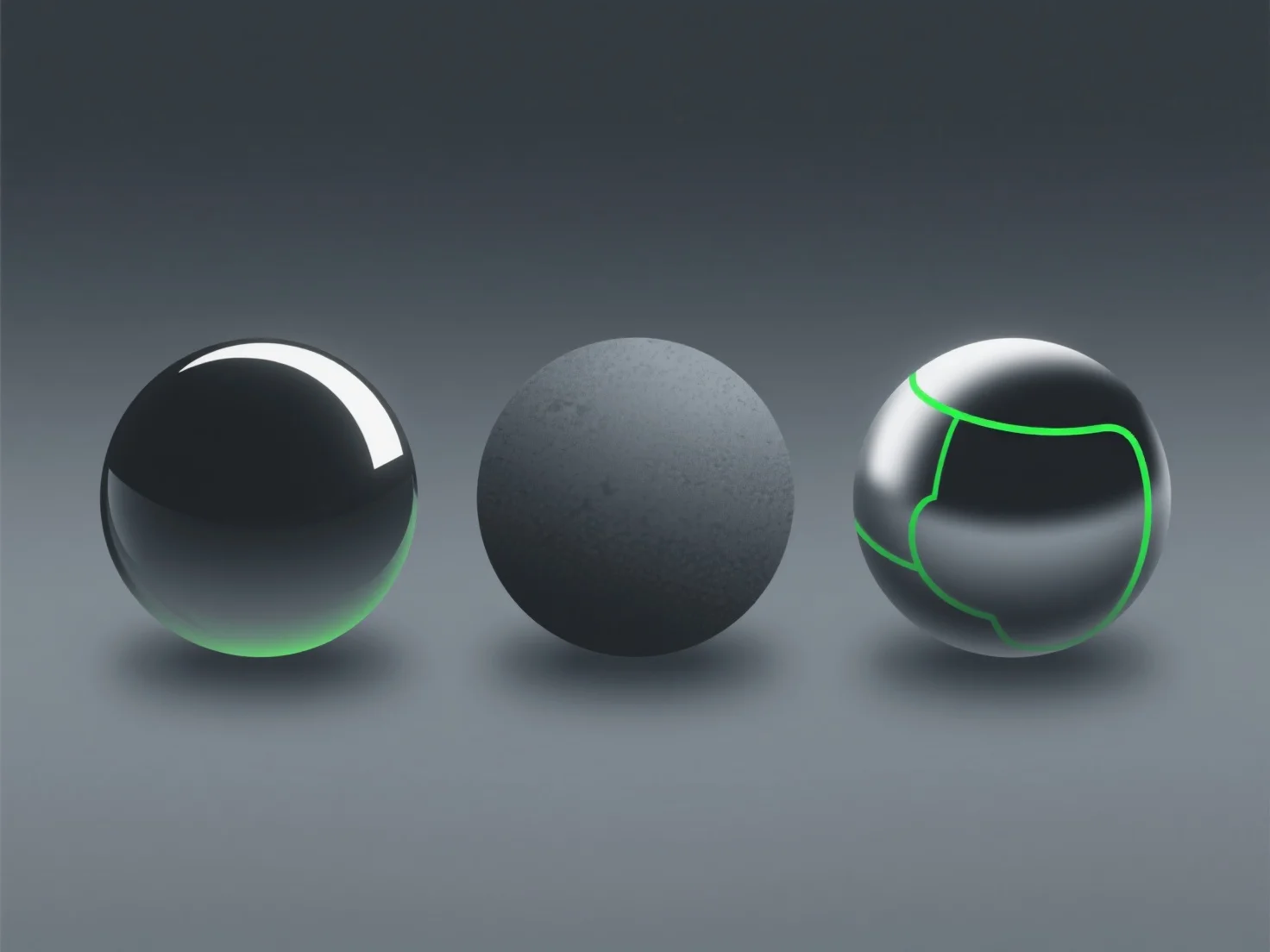
Materials directly shape the visual output of 3D models by defining surface appearance and realism through light interaction, such as reflection, absorption, or transparency.

They detail core properties like color, texture, shininess, and roughness, determining if a model looks metallic, matte, transparent, or textured in renders or real-time displays.

Key applications across industries include: - Gaming: Creating lifelike surfaces (e.g., metallic armor, fabric clothing) to boost scene immersion. - Architecture: Simulating materials like wood, glass, or concrete for realistic building previews. - Product Design: Previewing how materials (plastic, metal, leather) appear on prototypes under different lighting.

Adjusting material properties (e.g., increasing gloss for metals, adding texture maps for fabrics) refines visual output to achieve the intended realistic or stylized effect.

PreviousNext
제품
웹 스튜디오
API 플랫폼
기능
이미지를 3D로
멀티뷰를 3D로
릴리프
세그멘테이션
모델
일반 모델
인물 모델
리소스
블로그
FAQ
API 문서
회사 소개
가격