Home/Hitem3D FAQ/What is the role of "post-processing" in 3D graphics?

What is the role of "post-processing" in 3D graphics?

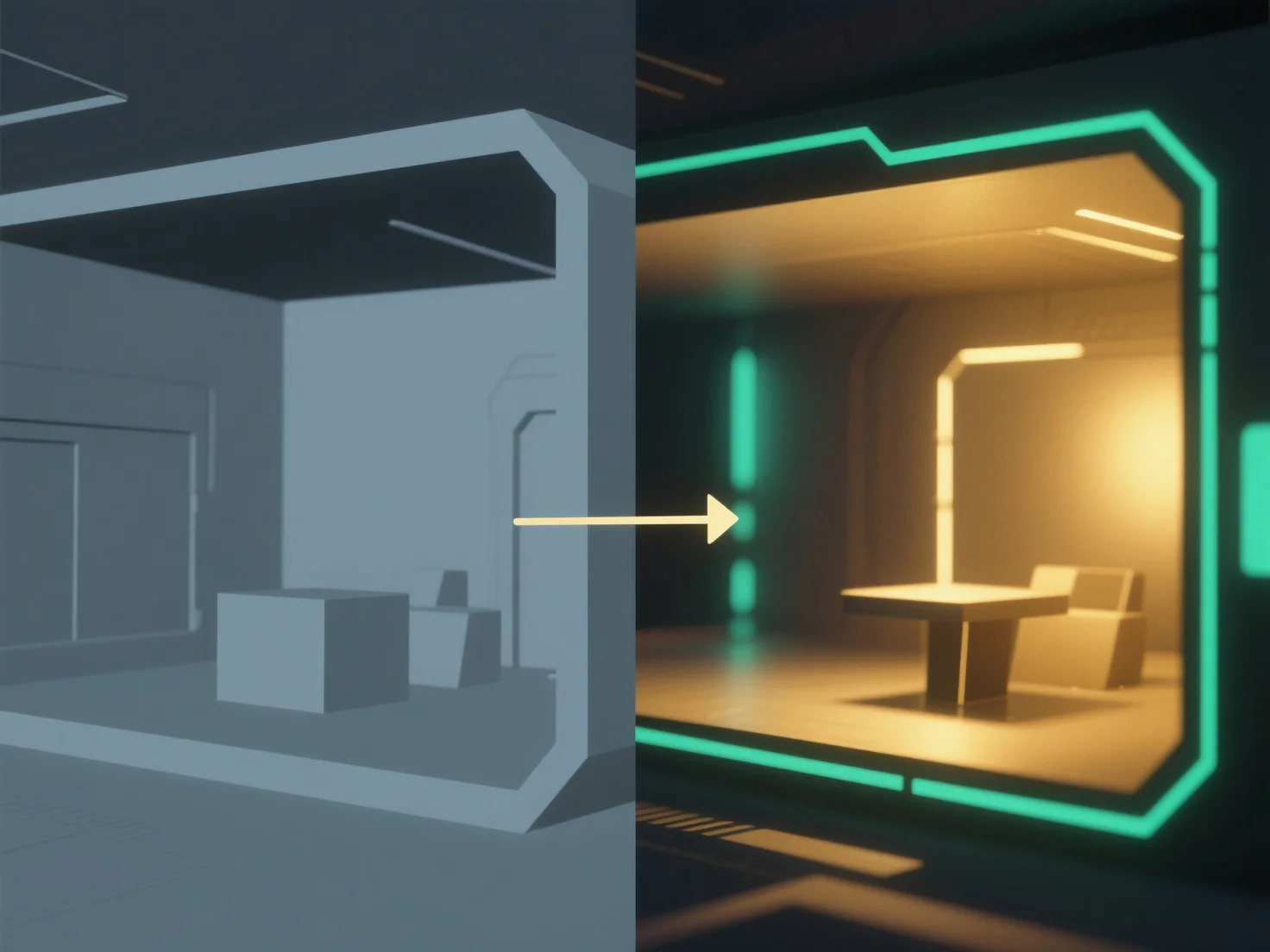
Post-processing in 3D graphics enhances visual quality via effects, used in games, films, and architecture, with beginners starting with basic tools.

What is the role of "post-processing" in 3D graphics?

Post-processing in 3D graphics enhances visual quality by applying effects after initial rendering, transforming raw outputs into polished, realistic, or stylized images through refinement of colors, lighting, and details.

Key functions include: adjusting colors to set mood or correct tone; adding lighting effects (e.g., bloom, depth of field) for depth and realism; and refining details to mask minor rendering flaws.

Industry applications: - Game Development: Uses dynamic color grading or motion blur to boost in-game immersion. - Film Production: Aligns 3D renders with live-action footage via precise color matching. - Architectural Visualization: Enhances client presentations with lifelike lighting and texture adjustments.

For beginners, experimenting with basic filters in tools like Blender’s Compositor helps observe how small tweaks elevate visual impact.

PreviousNext
제품
웹 스튜디오
API 플랫폼
기능
이미지를 3D로
멀티뷰를 3D로
릴리프
세그멘테이션
모델
일반 모델
인물 모델
리소스
블로그
FAQ
API 문서
회사 소개
가격