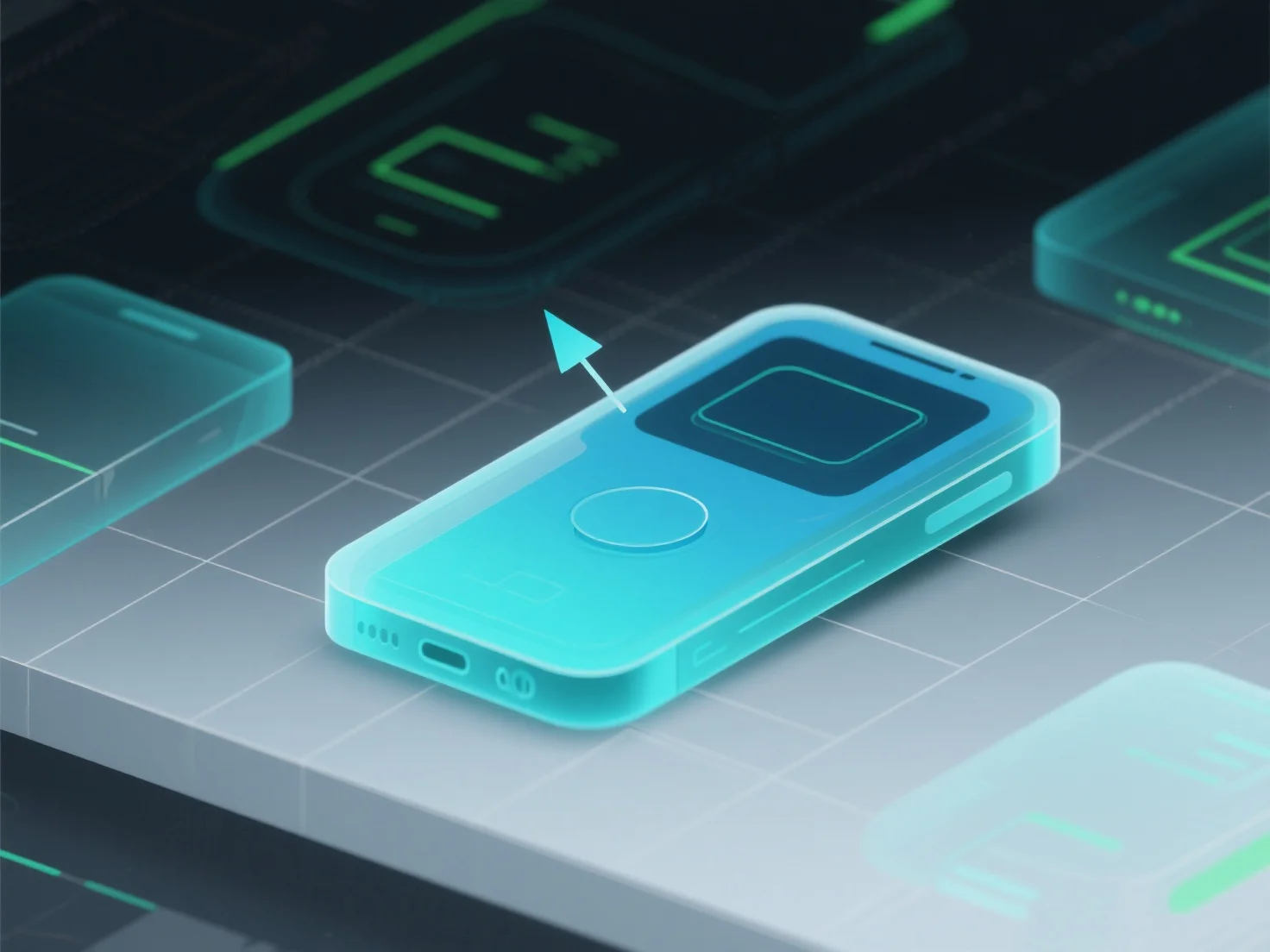
In the iteration phase of product development, 3D modeling acts as a core tool for visualizing, refining, and validating design changes, enabling efficient and cost-effective iterations.
- **Visualization**: It transforms abstract ideas into tangible 3D representations, helping teams spot design flaws or improvements that 2D drawings might hide. - **Rapid modification**: Designers can quickly adjust parameters (e.g., dimensions, materials) in 3D models, avoiding the time and cost of physical prototype rework for each tweak. - **Functional validation**: Integrates with simulation tools to test performance (e.g., stress, ergonomics), ensuring changes meet technical and user needs before production.
By combining these roles, 3D modeling accelerates iteration cycles, reduces development costs, and ensures the final product aligns with design goals.
