Home/Hitem3D FAQ/What is the difference between diffuse, specular, and ambient materials in 3D design?

What is the difference between diffuse, specular, and ambient materials in 3D design?

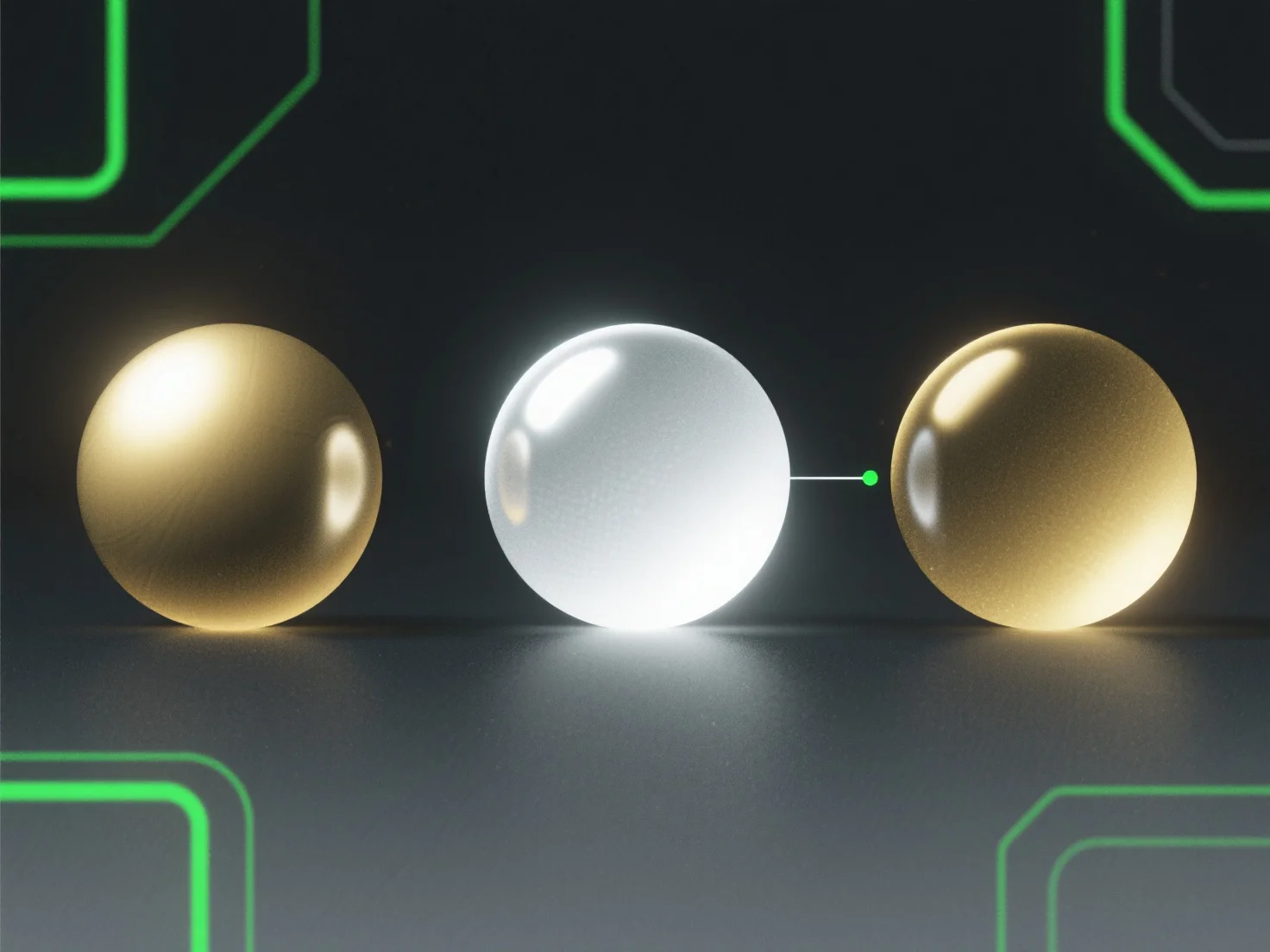
In 3D design, diffuse, specular, ambient materials differ in light reflection, shaping surface finish (matte, shiny, baseline brightness).

What is the difference between diffuse, specular, and ambient materials in 3D design?

In 3D design, diffuse, specular, and ambient materials differ primarily in light reflection behavior, directly shaping a surface’s visual finish.

- Diffuse materials: Scatter light evenly in all directions, creating a matte, non-shiny appearance (e.g., cardboard, fabric). - Specular materials: Reflect light in focused, directional beams, producing bright highlights (e.g., polished steel, glass). - Ambient materials: Simulate indirect, non-directional light, adding baseline brightness to surfaces even without direct illumination.

When adjusting materials, align with the desired effect: matte surfaces use diffuse, shiny ones rely on specular, and consistent base glow depends on ambient properties.

PreviousNext
제품
웹 스튜디오
API 플랫폼
기능
이미지를 3D로
멀티뷰를 3D로
릴리프
세그멘테이션
모델
일반 모델
인물 모델
리소스
블로그
FAQ
API 문서
회사 소개
가격